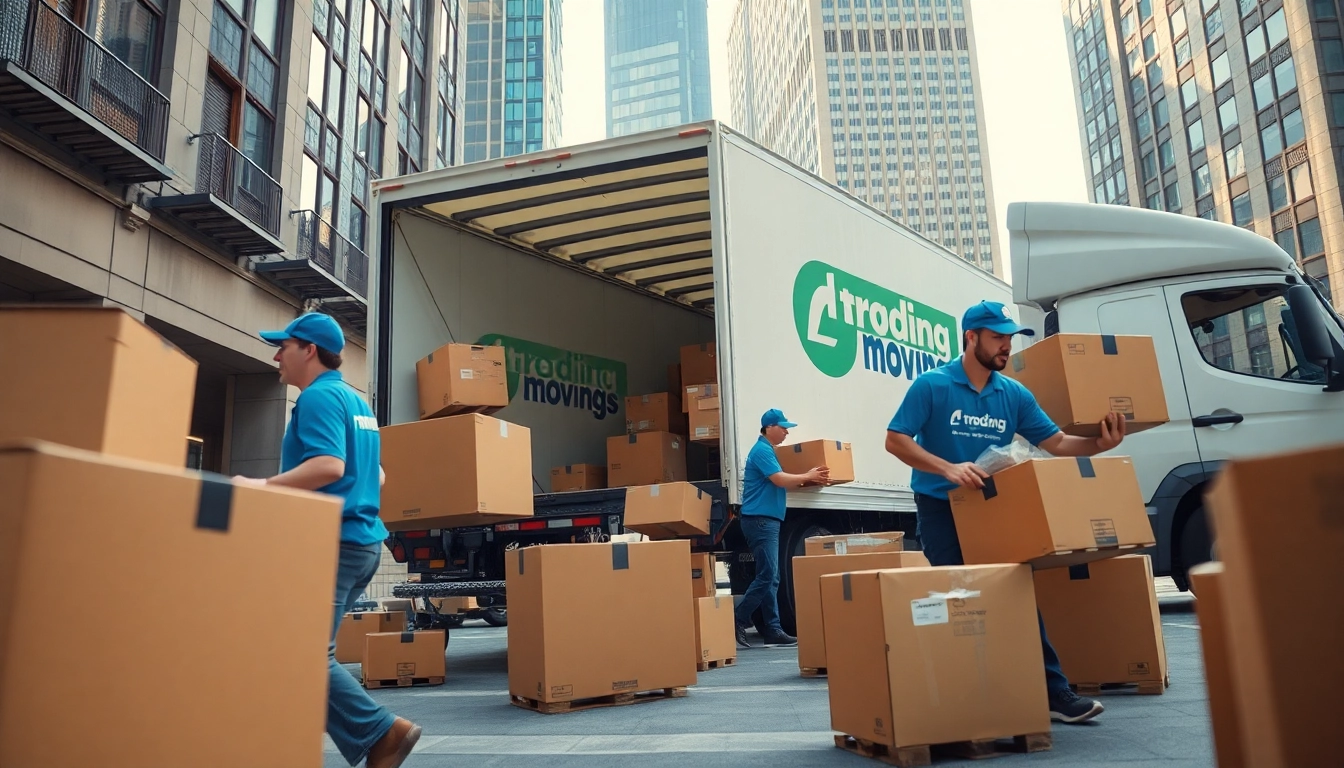
Understanding Your Moving Needs
Moving can be an overwhelming experience filled with excitement and stress, making it essential to understand your specific moving needs. Whether you are relocating for a job, downsizing, or moving into your first home, assessing your situation is the first step toward a successful move. Understanding the scope of your move helps streamline the process, allowing you to find reliable movers that fit your requirements.
Assessing Your Moving Scope
Evaluating the extent of your move involves considering several factors such as the distance, size of your household, and whether you are moving to a different city or within the same neighborhood. For local moves, the logistics may differ significantly compared to long-distance relocations, impacting the type of moving services needed.
- Local Moves: Generally, these are moves that occur within a 50-mile radius. They tend to be less complicated and less expensive.
- Long-Distance Moves: These moves cover distances over 50 miles, often requiring different logistical approaches, including packing, transportation, and sometimes storage solutions.
- International Moves: If you're moving across borders, additional factors such as customs clearance and international shipping need to be addressed.
Temporary vs. Permanent Relocation
Understanding whether your move is temporary or permanent can significantly influence your planning. If your relocation is temporary, such as for a job assignment or study abroad, you may choose to downsize and keep only essential items. In contrast, a permanent move may require a full-service approach, including professional packing and unpacking.
Budgeting for Moving Services
Creating a budget is crucial when planning your move. Understanding potential costs helps prevent last-minute financial stress. Generally, moving costs can vary widely based on various factors, including the distance of your move and the volume of belongings. Here are some budget pointers:
- Local Moves: Expect to pay between $100 to $200 per hour, which typically includes the services of two to three movers.
- Long-Distance Moves: Costs typically range from $1,000 to $5,000 based on the distance and size of your home.
- Additional Services: Packing, unpacking, and storage services can add to your overall costs, so evaluate what services you truly need.
Researching Local Movers
Once you have assessed your moving needs, the next crucial step is researching local movers. Finding reputable and affordable services can help reduce the stress associated with relocating. Here are some strategies to effectively research and choose a moving company.
Criteria for Selecting Qualified Movers
When selecting movers, consider these essential criteria:
- Licensing and Insurance: Ensure your movers are licensed and insured to protect your possessions during the move.
- Experience: Look for companies with a solid track record in the industry. Experienced movers are often better equipped to handle unexpected challenges.
- Service Offerings: Different companies may specialize in various types of moves or services, including packing, loading, and storage. Ensure they meet your specific needs.
Comparing Quotes and Services
Obtaining multiple quotes is critical for finding the best deal. While price is an important factor, comparing the services offered is equally crucial. When reviewing quotes, look for hidden fees and inclusions. Some companies may offer a seemingly low price but may charge extra for packing materials or long-distance fees.
Reading Customer Reviews and Testimonials
Customer reviews are invaluable in evaluating moving services. Detailed testimonials can provide insights into the company’s reliability, professionalism, and overall service quality. Utilize platforms like Google Reviews, Yelp, or specialized moving company review sites to gather feedback from past customers.
Preparing for the Move
Preparation is key to a seamless moving experience. By organizing your belongings and creating a checklist, you can ensure that nothing is overlooked during the moving process.
Creating a Moving Checklist
A well-structured moving checklist can guide you through every step of your move, from packing your belongings to notifying important parties about your change of address. Key activities to include in your checklist:
- Plan your timeline: Set a schedule for packing, moving, and unpacking.
- Notify utility companies: Arrange for disconnection at your current home and connection at your new home.
- Transfer insurance and subscriptions: Update your address with banks, insurance providers, and subscription services.
Organizing Your Belongings
Before packing, categorize your belongings to simplify the process. Consider the following tips:
- Declutter: Donate or sell items you no longer need to lighten your load.
- Label Boxes: Clearly label boxes to indicate their contents and destination rooms, making the unpacking process smoother.
Timing Your Move for Efficiency
Choosing the right time for your move can significantly affect overall costs and convenience. Weekdays, particularly Monday through Thursday, are generally cheaper and less busy for moving companies. Consider these strategies:
- Book early during peak seasons: Moving during summer or around holidays can lead to higher rates. Aim to reserve movers well in advance.
- Flexibility: If feasible, be flexible with your moving date to take advantage of lower rates and availability.
Executing a Seamless Moving Day
On moving day, effective communication and organization can lead to a smoother transition. Here’s how to ensure everything goes as planned.
Communicating with Your Movers
Establish clear communication with your movers before and during the move. Make sure they understand your expectations and have clear instructions regarding loading and unloading. Providing a detailed plan can help ensure that everyone is on the same page.
Overseeing the Loading and Unloading Process
When the movers arrive, oversee the loading process to ensure that your belongings are handled with care. Be present when loading the truck and provide guidance on how to arrange items for maximum safety during transport. Upon arrival at your new location, walk through the space to help movers understand where each box and piece of furniture should go.
Final Checks and Walk-throughs
Before leaving your old home, conduct a final walk-through to ensure you haven’t left anything behind. Check closets, cabinets, and storage spaces for any overlooked items. It's also a good time to ensure all utilities have been turned off or transferred.
Post-Move Recommendations
After the move, remember that settling in takes time, and having a plan can ease the transition into your new home.
Unpacking and Settling In
Start unpacking essential items first, such as kitchen supplies and toiletries. Creating a comfortable living space can help you feel more at home. Establish routines, and don't hesitate to ask for help from friends or family to make unpacking more manageable.
Reviewing Your Moving Experience
Take a moment to reflect on your moving experience. Consider what went well and what could have been improved. Providing feedback for your movers can not only help them improve but also inform others looking for reliable services.
Tips for Future Moves
Every move teaches valuable lessons. Keep a journal of your moving experiences, noting what strategies worked best and any challenges faced. This documentation can serve as a helpful reference for your future moves, allowing you to streamline the process.