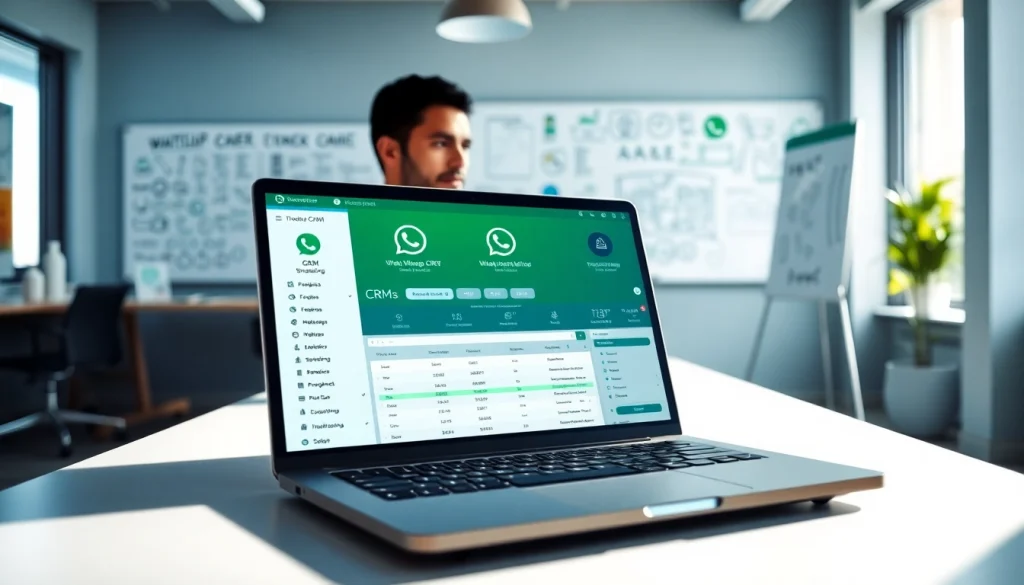
Introduction to What is a CRM for WhatsApp
In today’s fast-paced digital environment, businesses must adapt to evolving communication trends to maintain competitive advantages. One of the most significant shifts in how companies engage with clients is through messaging platforms. Among these, WhatsApp stands out due to its extensive user base, with over two billion active users worldwide. This raises the question: What is a CRM for WhatsApp? A Customer Relationship Management (CRM) system tailored for WhatsApp allows businesses to enhance customer interactions through streamlined communication, powerful data insights, and improved customer engagement strategies.
Definition and Importance
A CRM for WhatsApp is a specialized software solution that integrates the functionalities of traditional CRM systems with the features of WhatsApp. This combination enables businesses to communicate with clients directly through WhatsApp while managing customer data, interactions, and workflows within the CRM environment. The importance of this integration lies in its ability to provide real-time communication, track customer inquiries, and utilize data effectively to tailor marketing strategies, ensuring a more personalized customer experience.
Key Features of CRM for WhatsApp
Understanding what features to expect from a WhatsApp CRM is crucial for businesses looking to implement this powerful tool. Here are some key features that set these systems apart:
- Multi-Channel Integration: Seamlessly connect WhatsApp with other channels like email, SMS, or social media, providing a unified communication hub.
- Automated Messaging: Implement chatbots that can handle inquiries 24/7, ensuring prompt responses and reducing waiting times for customers.
- Analytics and Reporting: Access data-driven insights to optimize communication strategies, track customer engagement metrics, and assess campaign performance.
- Customer Segmentation: Organize clients into categories based on behavior, preferences, and purchase history to deliver targeted messaging.
- Conversation History Tracking: Keep a detailed log of all interactions with customers, allowing for continuity and context in conversations.
How WhatsApp Enhances Customer Engagement
WhatsApp enhances customer engagement through its accessible platform, primarily used for personal conversations. By leveraging WhatsApp for customer interactions, companies can meet clients where they already are, transforming casual communication into productive dialogues. The ability to share images, videos, and documents enhances the customer experience, while voice and video calling features provide additional layers of interaction that are often missing in email or traditional customer support systems.
Benefits of Implementing a CRM for WhatsApp
Streamlined Communication with Clients
With a CRM that integrates WhatsApp, businesses can streamline their communication processes significantly. Customers prefer quick and direct conversations, and WhatsApp enables instant connectivity. By using automated messaging alongside personalized responses, companies ensure that customers feel valued and understood, leading to improved satisfaction and increased likelihood of repeat engagements.
Data-Driven Insights for Businesses
One of the most compelling advantages of using a CRM tailored for WhatsApp is the wealth of data it provides. These systems allow businesses to analyze customer interactions, identify trends, and acquire actionable insights. The ability to access in-depth reporting features means companies can refine their marketing strategies according to customer preferences, interests, and behaviors, thereby maximizing their chances of sales conversion.
Improved Customer Retention and Loyalty
The integration of WhatsApp into CRM systems can significantly enhance customer retention and foster loyalty. With personalized interactions, consistent follow-ups, and timely responses to inquiries, businesses cultivate stronger relationships with their clients. A CRM for WhatsApp helps in identifying at-risk customers and enables businesses to engage proactively, ensuring they feel supported and valued throughout their customer journey.
Challenges in Adopting a CRM for WhatsApp
Integration with Existing Systems
One of the primary challenges businesses face is integrating a CRM for WhatsApp with existing systems. Ensuring smooth data flow between various platforms—such as e-commerce sites, marketing automation tools, and other CRM systems—can be complex. Proper planning and potentially engaging technical experts can alleviate integration issues, providing a comprehensive and cohesive system that enhances efficiency rather than complicating it.
User Adoption and Training Needs
Implementing a new technology often meets resistance from users comfortable with their existing processes. To combat this, a clear training strategy is essential. Staff should be educated not just on how to use the CRM features but also on the benefits to customer satisfaction and engagement. Continuous support and guidance can facilitate smoother transitions, ensuring team members are equipped to utilize the system effectively.
Compliance and Data Privacy Concerns
Adopting a CRM for WhatsApp raises pertinent questions regarding data privacy and compliance with regulations such as the GDPR. It is crucial for organizations to understand their responsibilities regarding customer data. Implementing stringent data protection measures and protocols, along with regular audits, can safeguard customer privacy while maintaining trust in the organization.
Best Practices for Using CRM with WhatsApp
Setting Up Effective Communication Channels
Establishing effective communication channels is essential for maximizing the benefits of a CRM for WhatsApp. Businesses should define clear scenarios when to use automated responses and when to engage humans. Personalizing messages and maintaining a consistent brand voice across all interactions can significantly enhance customer experience and build trust.
Utilizing Analytics for Performance Improvement
Continuous improvement is vital for success in business. Regularly analyzing the performance metrics available through the CRM can help identify areas for enhancement. Tracking response times, customer satisfaction ratings, and engagement levels can help businesses refine their approach and better serve their audience, ultimately driving better results.
Balancing Automation and Personal Touch
While automation can significantly enhance efficiency, maintaining a personal touch is equally important. Over-relying on automated systems can alienate customers who crave personalized interactions. When employing a CRM for WhatsApp, businesses should find a healthy balance between automated responses for common inquiries and human-based interactions for complex conversations. This strategic balance fosters a supportive customer experience and enhances brand loyalty.
Future Trends in WhatsApp CRM Technology
Artificial Intelligence and CRM Integration
The future of CRMs, particularly those integrated with WhatsApp, will likely see a surge in the use of artificial intelligence (AI). AI-driven chatbots can not only handle standard inquiries but also analyze customer behavior patterns to provide personalized recommendations. This level of automation combined with smart insights can further enhance customer experiences and streamline business operations.
Personalization and Customer-Centric Innovations
Personalization will be a key trend moving forward in the realm of WhatsApp CRM technology. Leveraging data analytics to tailor messaging, promotions, and interactions based on individual customer preferences will lead to enhanced customer satisfaction and retention. Businesses that prioritize customer-centric innovations in their CRM strategies will likely outperform competitors who do not.
Emerging Tools and Technologies in CRM
As technology evolves, new tools and features will emerge in the CRM landscape. Companies must stay informed about these advancements to integrate the most effective tools into their existing systems. Embracing new technologies, including advanced analytics tools, API integrations, and customer feedback systems, will enable businesses to keep pace with consumer expectations and remain competitive in the marketplace.