
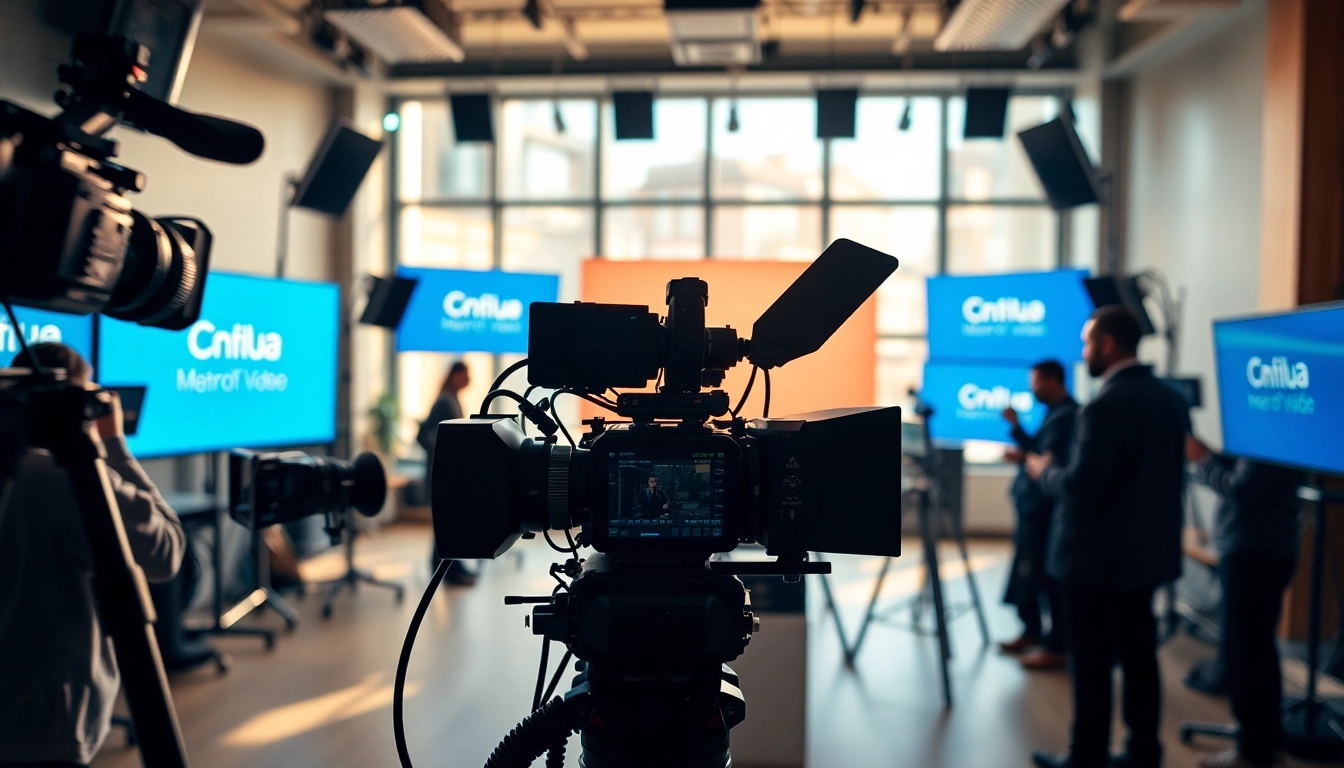
Understanding Corporate Video Production
Definition and Importance of Corporate Video Production
In today’s fast-paced digital world, the significance of Corporate Video Production cannot be overstated. This approach refers to the creation of video content tailored for corporate contexts, designed to convey messages, showcase products, or enhance brand identity. Corporate videos can serve multiple purposes, including internal communications, marketing efforts, and corporate training. They are an essential tool for businesses looking to articulate their brand narratives effectively and engage their audiences in a meaningful way.
The role of corporate videos extends beyond mere marketing; they serve as a bridge between organizations and their stakeholders, creating emotional connections that foster trust and loyalty. In an era where attention spans are dwindling, dynamic video content has become a crucial medium for brands to stand out in a crowded marketplace.
Types of Corporate Videos and Their Purposes
Corporate video production encompasses a diverse range of video types, each serving distinct objectives:
- Promotional Videos: These showcase products or services, aimed at enticing potential customers through engaging storytelling.
- Corporate Training Videos: Used internally, these videos aid in employee onboarding and professional development, ensuring that staff are well-versed in company policies and procedures.
- Brand Storytelling Videos: Through narratives that emphasize a company’s values and mission, these videos humanize the brand and foster connection with the audience.
- Event Coverage Videos: Capturing corporate events such as conferences or product launches to enhance brand visibility and engagement.
- Testimonial Videos: Featuring satisfied customers sharing their experiences with products or services to build credibility and trust.
- Explainer Videos: These simplify complex ideas or processes, making them easy to understand for prospective customers.
Benefits of Investing in Corporate Video Production
Investing in corporate video production yields numerous benefits that can significantly impact a business’s overall strategy:
- Enhanced Engagement: Videos are more engaging compared to text alone, capturing attention and retaining interest. This can lead to higher viewer retention rates.
- Greater Reach: Videos are highly shareable on social media, increasing organic reach and potential virality.
- Improved Conversion Rates: Incorporating videos into landing pages has been shown to increase conversion rates substantially by providing compelling visual content that encourages action.
- Boosted SEO: Search engines favor video content, meaning that incorporating videos can improve search engine ranking, driving more traffic to a site.
- Clarification of Messaging: Video content helps clarify complex information, making it easier for audiences to grasp key concepts more effectively than written content alone.
Essential Steps in the Corporate Video Production Process
Pre-Production Planning and Preparation
The success of any corporate video project heavily relies on meticulous planning during the pre-production phase. Key steps in this phase include:
- Defining Objectives: Clearly articulate the goals of the video. Are you looking to inform, entice, or educate your audience?
- Script Development: Craft a compelling script that resonates with your target audience while aligning with your brand’s voice and message.
- Budgeting: Establish a budget that will determine the scope of the production, including set design, talent costs, and post-production resources.
- Identifying Target Audience: Understanding your audience’s demographics, interests, and preferences will inform the content and style of the video.
- Scheduling: Create a production timeline that accommodates all stakeholders, ensuring adequate time for filming and revisions.
Production Techniques for Professional Results
Once the planning is in place, the focus shifts to the production phase. Utilizing the right techniques is crucial for quality results:
- Professional Equipment: Invest in high-quality cameras, lighting, and audio equipment to achieve the best visuals and sound.
- Skilled Crew: Hire professionals who specialize in videography, lighting, sound, and direction to execute the vision effectively.
- On-Site Management: Ensure that the production runs smoothly with a project manager overseeing logistics and addressing potential challenges that may arise.
- Dynamic Filming Techniques: Employ various filming techniques such as drone footage, steady shots, and creative angles to enhance the video’s visual appeal.
Post-Production: Editing and Final Touches
The post-production phase is where the raw footage transforms into a polished final product. This stage includes:
- Editing: Cut and assemble the footage to create a cohesive narrative. Use editing software to enhance visuals and synch sound with picture effectively.
- Incorporating Graphics and Animation: Enhance storytelling with graphics, text overlays, and animations that help clarify messages or add visual interest.
- Color Grading: Adjust color tones for consistency and to invoke emotional responses from viewers, aligning visuals with the brand aesthetic.
- Audio Mixing: Ensure dialogue, background music, and sound effects are seamlessly blended for clarity and impact.
- Final Review: Conduct a thorough review of the video with stakeholders, making adjustments as needed before final approval.
Choosing the Right Corporate Video Production Company
Evaluating Experience and Portfolio
Selecting a corporate video production company can be a daunting task given the multitude of options available. Begin the evaluation process by reviewing their experience and portfolio:
- Industry Experience: Assess their experience within your industry. Companies with relevant experience are likely to understand your needs and target audience better.
- Portfolio Review: Look for high-quality samples of their previous work that align with your desired video style and objectives.
- Project Diversity: A versatile portfolio with diverse projects showcases the company’s ability to adapt to different styles and requirements.
Understanding Service Offerings and Specializations
To find an ideal production partner, comprehend their services and areas of specialization:
- Full-Service Capabilities: Determine if they offer end-to-end services from ideation to distribution, or if they specialize in certain aspects of production such as animation or live-action filming.
- Technical Expertise: Investigate whether they possess expertise in particular video formats, editing techniques, or production styles that are relevant to your needs.
- Flexible Packages: Look for companies that offer customizable packages to suit your specific budgetary and production requirements.
Assessing Client Testimonials and Reviews
The reputation of a corporate video production company can often be gauged through feedback from former clients. Key considerations include:
- Client Reviews: Check online platforms for client reviews and testimonials that offer insights into their experiences and overall satisfaction.
- Case Studies: Look for case studies that demonstrate how the company has effectively helped clients achieve their goals through video production.
- Reputation within the Community: Research the company’s standing within the local or industry-specific community to assess their credibility and professionalism.
Best Practices for Effective Corporate Video Production
Crafting a Compelling Narrative
A well-structured narrative is key to effective corporate video production. To create impactful stories, consider these practices:
- Hook the Audience: Start with an engaging introduction that piques curiosity and establishes relevance to the audience.
- Identify Conflicts and Resolutions: Present challenges that resonate with your audience followed by solutions or insights relating to your offerings.
- Call to Action: Conclude with a clear call to action that guides viewers on what to do next, whether it’s visiting a website or contacting your team.
Incorporating Visual and Audio Elements
Effective corporate videos leverage a blend of audio and visual elements to enrich storytelling:
- High-Quality Visuals: Ensure that visuals are high-resolution, well-composed, and relevant to the content being discussed.
- Sound Design: Invest in quality audio recording. Use background music and sound effects strategically to enhance the emotional experience.
- Branding Consistency: Incorporate logos, color schemes, and messaging that align with your brand’s identity to reinforce recognition.
Ensuring Accessibility and Compliance
It is essential to create content that is accessible to a diverse audience while complying with legal standards:
- Captions and Subtitles: Provide captions or subtitles to ensure the content is accessible to individuals with hearing impairments as well as non-native speakers.
- Accessible Formats: Consider producing videos in various formats suitable for different devices and platforms to maximize reach.
- Legal Compliance: Abide by copyright and intellectual property laws when using third-party content, music, or stock footage to safeguard your projects.
Measuring Success in Corporate Video Production
Key Performance Indicators to Track
To determine the effectiveness of corporate videos, it’s crucial to measure key performance indicators (KPIs). Important metrics include:
- View Counts: Assess the number of times the video has been viewed to gauge interest and reach.
- Engagement Rates: Monitor likes, comments, shares, and overall interaction levels to understand audience engagement and resonance.
- Completion Rates: Track how many viewers finish watching the video to evaluate its quality and retention capability.
Analyzing Audience Engagement and Feedback
Audience feedback provides invaluable insights that can inform future video projects:
- Surveys and Polls: Utilize surveys or polls post-viewing to collect qualitative feedback on viewer perceptions and insights.
- Social Listening: Monitor social media channels for discussions related to your video to gauge public sentiment and gather contextual relevance.
Adjusting Strategy Based on Metrics
Analyzing collected data allows for informed adjustments to your corporate video strategy. Consider:
- Content Optimization: Refine future video themes, styles, or formats based on viewer preferences and engagement metrics.
- Tactical Adjustments: Modify distribution strategies to focus on platforms or channels that yield the highest engagement rates.
- Continuous Improvement: Employ a cycle of testing and analytics, allowing data-driven decisions to enhance future video projects.


