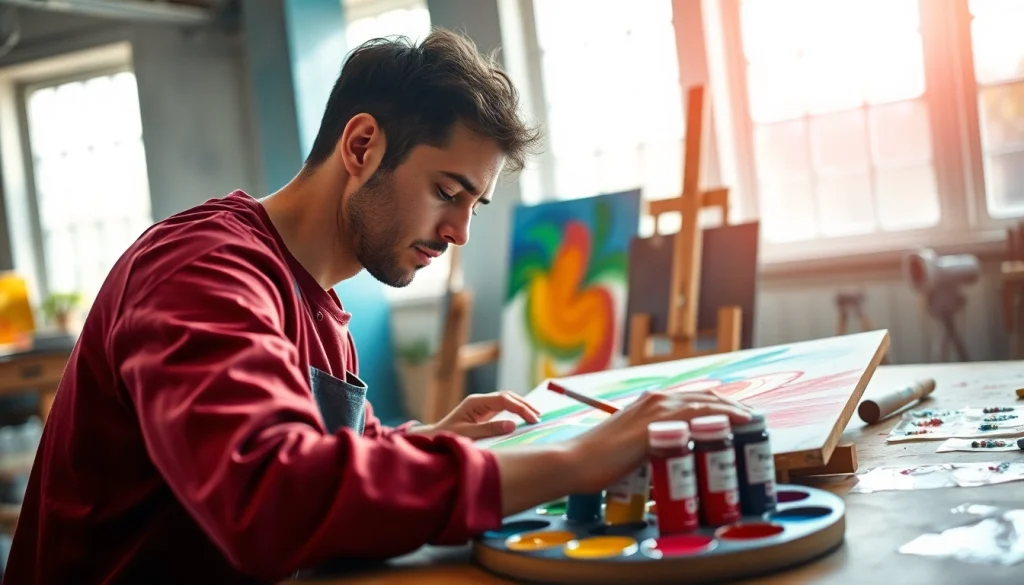
Understanding Acrylic Basics
Acrylics have gained immense popularity as a versatile medium in the art world, offering a broad range of applications from painting to crafting. This comprehensive guide merges essential principles and practical insights, aiming to enhance your understanding of acrylics, their properties, and optimal usage techniques. For deep dives into acrylic art techniques, you may find resources at https://acrylicpedia.com.
What Are Acrylic Paints?
Acrylic paints are fast-drying, water-soluble color pigments that become water-resistant when dry. Composed of acrylic polymer emulsions, these paints can be diluted with water, allowing artists to achieve various effects such as washes or intricate details. Their versatility makes them suitable for any surface—from canvas and wood to fabrics and ceramics.
Key Properties of Acrylics
Several key properties make acrylics a favored option for artists:
- Fast Drying: Acrylics dry quickly, allowing artists to work efficiently and layer their paints without long waiting periods.
- Vibrancy and Clarity: Acrylic paints are known for their bright colors and excellent clarity when dry, making them ideal for both bold and transparent effects.
- Flexible Application: Whether you prefer thick impasto techniques or thin washes, acrylics accommodate a wide range of styles.
- Durability: Once dry, acrylics form a tough film that resists cracking, fading, and yellowing, contributing to longevity in finished artworks.
- Non-Toxic: Unlike oil paints, many acrylics are considered safer due to their lack of harmful solvents, making them an ideal choice for beginners and schools.
Why Choose Acrylic over Other Mediums?
Acrylics stand out against other painting mediums for several compelling reasons:
- Ease of Use: Ideal for artists at all skill levels, acrylics are user-friendly and don’t require excessive materials to begin.
- Versatility: Suitable for various techniques, including airbrushing, pouring, and texture applications, offering unmatched flexibility.
- Mixing and Blending: Exceptional color mixing capabilities allow for a near-infinite color palette and the ability to layer transparently.
- Affordability: Acrylic paints are generally less expensive than oil paints, enabling artists to explore their creativity without a significant upfront investment.
Essential Tools for Acrylic Painting
Top Brushes for Acrylic Techniques
The right brushes can drastically affect the outcome of your acrylic painting. Here are some recommended types:
- Flat Brushes: Perfect for bold strokes and filling large areas, flat brushes come in various widths and facilitate smooth applications.
- Round Brushes: These are ideal for details and fine lines, allowing for the creation of intricate designs and highlighting.
- Fan Brushes: Useful for texture applications and blending, fan brushes produce unique patterns and can simulate foliage effects.
- Filbert Brushes: With a rounded edge, filbert brushes combine the benefits of flat and round brushes, making them suitable for blending and glazing.
Choosing the Right Canvas and Surfaces
Selecting appropriate surfaces is crucial for satisfactory results with acrylic paintings. Here are some popular substrates:
- Canvas: Pre-stretched or canvas boards are most commonly used due to their adherence to paint and ability to handle heavy applications.
- Wood Panels: These provide a smooth surface perfect for detail work, and multi-layer applications adhere well to wood.
- Paper: Watercolor paper or specially designed acrylic paper allows experimentation with different styles, although the weight is essential to prevent warping.
- Fabric: Acrylics can be used on various fabrics; however, pre-treatment may be needed for optimal adhesion and durability.
Recommended Palette and Mixing Techniques
Having a well-organized palette can enhance your painting experience. Here are some techniques for efficient paint mixing:
- Color Wheel Knowledge: Familiarize yourself with the color wheel to understand primary, secondary, and tertiary colors for better mixing.
- Palette Knives: These are essential for mixing colors thoroughly and can create interesting texture in application.
- Limited Color Palette: Start with just a handful of colors to promote learning about mixing and blending while reducing overwhelming decisions.
Common Challenges in Acrylic Painting
Dealing with Drying Times
One significant characteristic of acrylics is their quick drying time, which can be both an advantage and a challenge. To manage this, consider these strategies:
- Retarders: Add acrylic retarders to slow down the drying time and allow for longer blending periods.
- Wet Palette: Utilize a wet palette to keep paints moist during your session, which extends blending time without drying out.
Managing Paint Consistency
Achieving the right consistency is vital for desired effects. Here are some tips:
- Water Dilution: For washes, control the amount of water you add to maintain color vibrancy.
- Thick and Thin Applications: Experiment with different mediums (gels, pastes) to alter thickness while maintaining adhesion properties.
Avoiding Common Mistakes
As with any craft, mistakes can occur in acrylic painting. Here’s how to avoid common pitfalls:
- Overworking: Avoid overworking sections of your painting, which can lead to muddy colors or unwanted textures.
- Improper Brush Cleaning: Clean brushes immediately after use to maintain their shape and prevent permanent damage due to dried paint.
Advanced Acrylic Techniques
Layering and Glazing Methods
Layering and glazing are techniques that can add depth and dimension to your artwork. Here’s how to successfully incorporate them:
- Underpainting: Start with an underpainting to establish a basic tone before layering more complex colors on top.
- Glaze Application: Mix a transparent medium with paint to create glazes that allow underlying colors to shine through.
Experimenting with Textures
Texture can add dynamism to your artwork. Here are methods to experiment:
- Impasto: Lay paint thickly on the canvas to create raised areas that catch the light and add dimension.
- Mixed Media: Combine acrylics with other materials, such as sand or fabric, to create unique surface textures.
Creating Depth and Dimension
To give your paintings depth, consider these techniques:
- Contrast: Use contrasting colors to draw the viewer’s eye and create depth between foreground and background elements.
- Shadow and Highlight: Implement shading techniques to enhance three-dimensionality and make objects appear realistic.
Inspiration and Resources for Acrylic Artists
Finding Your Unique Style
Developing a unique style is essential for artistic expression. Here are some ways to find your distinctive voice:
- Explore Various Techniques: Try out different techniques to see what resonates with you and your artistic flow.
- Study Other Artists: Analyze the work of established artists to gain insights into their styles and methods, which can inspire your own.
Online Communities and Support
Joining online communities can provide emotional and practical support:
- Social Media Groups: Engage with fellow acrylic artists on platforms like Facebook and Instagram to share artwork and advice.
- Forums and Blogs: Participate in online forums and read blogs dedicated to acrylic painting techniques and tips.
Recommended Books and Tutorials
For further learning, consider investing in educational resources:
- Books: Look for guides specifically focused on acrylic painting for comprehensive insights and step-by-step instructions.
- Video Tutorials: Platforms like YouTube host a wealth of free tutorials catering to various skill levels and styles.