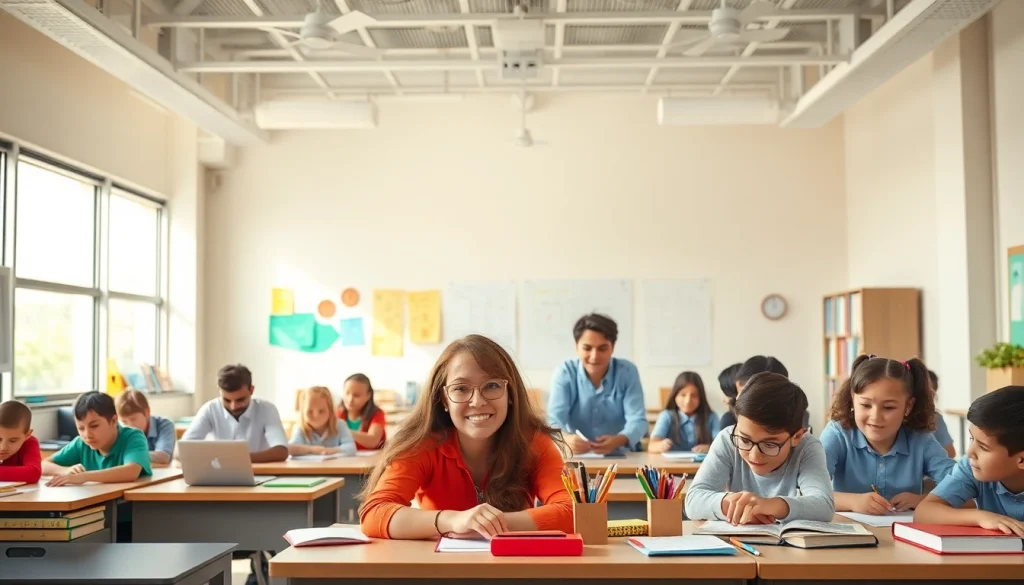
Understanding the Foundation of Education
Defining Education and Its Purpose
At its core, Education is a structured process aimed at cultivating knowledge, skills, and character within individuals. Spanning formal and informal pathways, education serves multiple purposes: it prepares individuals for the workforce, fosters critical thinking, instills values, and promotes civic responsibility. A well-rounded educational experience not only equips students with facts and figures but also encourages them to question, analyze, and engage with the world around them.
In contemporary discussions about education, there is often an emphasis on the dual role it plays: as both a means of personal development and a societal necessity. The ultimate purpose of education can thus be seen as nurturing informed, capable citizens who can contribute positively to their communities.
History and Evolution of Education
The landscape of education has undergone significant transformations through the ages. From the earliest forms of oral tradition where knowledge was passed down through storytelling, to the establishment of formal schooling systems in ancient civilizations — such as Egypt, Greece, and China — education has evolved to meet the needs of society.
The Middle Ages brought the rise of universities, where scholars gathered to share and expand upon existing knowledge. The Renaissance introduced humanism, further emphasizing the value of education as a tool for individual potential. The Industrial Revolution necessitated practical skills for a growing economy, thus shaping modern education systems to include vocational training.
In the 20th century, educational thought leaders—like John Dewey—advocated for progressive education, promoting experiential learning over rote memorization. Today, educational practices continue to evolve rapidly due to globalization, technology, and shifting societal roles.
The Role of Education in Society
Education plays a crucial role in society by acting as a vehicle for social mobility, economic growth, and cultural awareness. It encourages understanding and tolerance among diverse groups by fostering a sense of community and shared values. Moreover, educated populations tend to engage more in civic activities, driving democratic processes and economic development.
Moreover, by equipping individuals with critical thinking skills, education cultivates informed citizens who are better prepared to tackle societal challenges—such as inequality, environmental issues, and public health crises. Thus, the relationship between education and society is reciprocal; not only does education shape individuals, but the collective consciousness of society shapes educational priorities.
Types of Education: Formal, Informal, and Non-formal
Exploring Formal Education Structures
Formal education is structured, systematic, and largely institutional. It typically takes place in schools, colleges, and universities, characterized by standardized curricula and assessments. Formal education’s primary component is its organized approach to the delivery of knowledge and skills by trained educators, designed to achieve specific learning outcomes.
Formal education often adheres to various levels, including primary, secondary, and tertiary education, with distinct objectives at each level. A notable advantage of formal education is that it often leads to recognized qualifications, which can enhance an individual’s career opportunities and social status.
The Impact of Informal Education
Informal education refers to learning that occurs outside structured educational institutions. This type of education is often spontaneous and can happen anytime and anywhere—through experiences, community activities, and self-directed study. Examples include cultural activities, conversations, and volunteer work. Informal education tends to be less regulated and more adaptable, catering to personal interests and immediate needs.
While informal education may not always lead to formal qualifications, it is nevertheless invaluable for personal development, fostering creativity, critical thinking, and real-world problem-solving skills. It often provides practical skills that can translate directly into workforce readiness, bridging gaps left by formal education.
Non-formal Education: Bridging the Gaps
Non-formal education exists between formal and informal education and encompasses organized learning experiences that do not necessarily lead to formal certification. Programs such as adult education classes, community workshops, and training courses fall into this category. Non-formal education is typically designed to be flexible, accommodating learners outside traditional school settings.
This type of education serves important functions, particularly for marginalized demographics, providing opportunities for skill development and lifelong learning. Non-formal education also addresses the varying interests and needs of learners, which might not be sufficiently met in formal systems.
Challenges in the Education System
Accessibility and Equity in Education
Accessibility remains one of the most pressing challenges within education systems worldwide. While many regions strive for universal access to education, economic disparities, geographical barriers, and cultural norms often hinder this goal. Ensuring equitable access is crucial, as disparities in educational opportunities can perpetuate cycles of poverty and social inequality.
Addressing accessibility entails multiple approaches, such as improving infrastructure, providing scholarships, and developing inclusive educational policies that accommodate diverse learners’ needs. Moreover, empowering communities through local educational initiatives can help amplify efforts for more equitable systems.
Quality and Standards in Educational Institutions
The quality of education is paramount to its success and is often assessed through standardized tests and performance metrics. However, focusing solely on quantifiable outcomes can overlook critical aspects of education such as student engagement, teacher effectiveness, and curriculum relevance.
Establishing comprehensive standards involves a balance between qualitative and quantitative measures, ensuring that assessments truly reflect learner outcomes. Continuous professional development for educators and active stakeholder involvement in curriculum design are essential for maintaining educational standards.
Technological Integration and Its Challenges
As technology evolves, educational environments must adapt to integrate new tools and methods effectively. While technology can enhance learning through interactive resources and access to information, it can also present challenges, such as over-reliance on devices and the digital divide that limits access for some students.
To maximize the benefits of technology, educational institutions need to rethink their strategies in incorporating tech into pedagogy. This includes training educators in new technologies, adopting blended learning models, and ensuring that all students have equal access to necessary tools and resources.
Innovative Approaches to Education
Active Learning and Student Engagement Techniques
Active learning is a pedagogical approach that encourages students to take an active role in their learning process through collaboration, problem-solving, and critical thinking. Techniques such as group discussions, hands-on projects, and experiential learning foster deeper understanding and retention of knowledge.
Incorporating student engagement strategies, like gamification and project-based learning, can also motivate learners and create a dynamic classroom environment. Teachers who adopt active learning methods often observe higher levels of enthusiasm and accountability among their students, contributing to better educational outcomes.
The Role of Technology and Online Learning
Online learning has transformed the educational landscape by making it more accessible and flexible. Technology enables diverse learning formats, including MOOCs (Massive Open Online Courses), digital platforms, and virtual classrooms. This flexibility allows learners from different backgrounds to access quality education regardless of geographical constraints.
However, online learning presents challenges such as the need for self-discipline and the importance of maintaining student engagement in virtual formats. Institutions must continuously refine their online pedagogy to ensure that educational integrity and learner interaction are upheld.
Incorporating Life Skills in Education
In addition to academic knowledge, contemporary education systems are increasingly recognizing the importance of teaching life skills, such as financial literacy, emotional intelligence, and critical thinking. These skills empower students to navigate real-world challenges effectively, enhancing their personal and professional lives.
Educators can incorporate life skills into the curriculum through experiential learning activities, including internships, community service projects, and workshops. Emphasizing the application of knowledge fosters preparedness for life beyond the classroom.
Measuring the Impact of Education
Metrics for Evaluating Educational Success
Measuring the impact of education involves a combination of quantitative and qualitative metrics. Traditional evaluations often focus on test scores and graduation rates; however, these do not encompass the full spectrum of educational success. Student satisfaction, emotional well-being, and engagement levels should also be considered.
Institutions are increasingly adopting comprehensive evaluation systems that combine various metrics to provide a holistic understanding of student outcomes. Feedback from students, parents, and educators helps refine teaching methods and curriculum to enhance effectiveness.
Feedback Mechanisms and Continuous Improvement
Creating feedback loops is essential for continuous improvement in education. Open communication channels between students, teachers, and administrative bodies foster a culture of accountability and responsiveness to changing needs. Regular evaluations, surveys, and forums can facilitate open dialogue about educational practices.
Implementing constructive feedback mechanisms encourages stakeholders to collaboratively address challenges and celebrate successes, contributing to a more dynamic and adaptable educational environment.
Global Perspectives on Educational Outcomes
Comparing educational outcomes on a global scale reveals diverse approaches to enhancing education. Different countries adopt varied strategies influenced by cultural, economic, and political settings. For example, Finland’s emphasis on teacher autonomy and well-being contrasts with more standardized testing practices in other regions.
Engaging with global perspectives can inform local educational policy development, revealing best practices that could be adapted for specific contexts. International collaboration in education encourages continual learning and the exchange of innovative solutions to common challenges.