
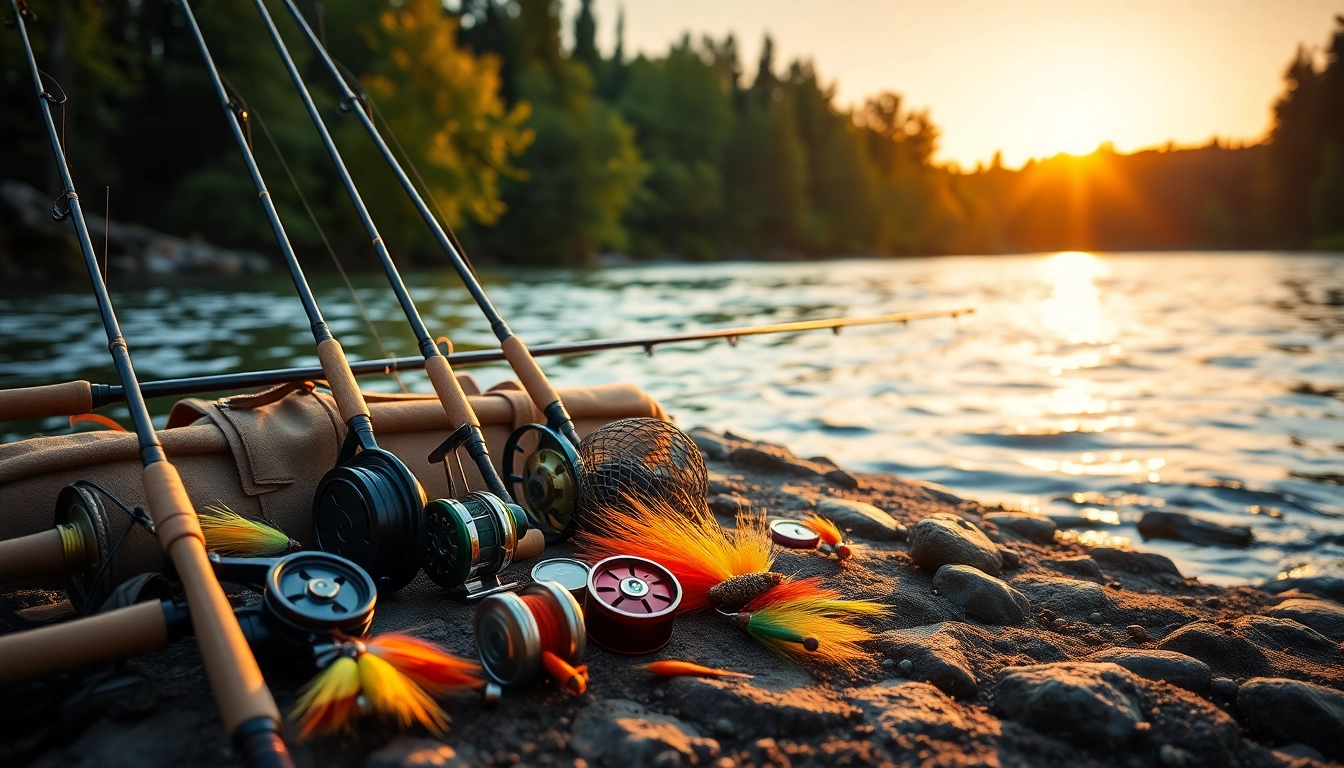
Introduction to Fly Fishing Kits
For those looking to immerse themselves in the tranquil waters and the art of fly fishing, the right equipment is essential. A well-rounded fly fishing kit not only enhances the experience but also enables anglers to tackle a variety of fishing scenarios successfully. In this comprehensive guide, we will explore what a fly fishing kit is, its key components, how to select the right kit based on skill levels, and much more, to ensure you have the best tools at your disposal for successful fishing adventures.
What is a Fly Fishing Kit?
A fly fishing kit is a collection of essential gear and equipment designed to support an angler in pursuing the sport of fly fishing. Unlike conventional fishing, fly fishing relies on the use of artificial flies to attract fish, making specialized equipment crucial. Typically, a basic fly fishing kit includes a rod, reel, line, leader, tippet, and a selection of flies. Some kits might also come with additional tools like nippers, forceps, and a tackle box for storage. These kits are tailored to different fishing environments, targeting various species of fish, and cater to skill levels ranging from beginners to advanced anglers.
Components of a Comprehensive Fly Fishing Kit
A comprehensive fly fishing kit comes equipped with various components that are essential for an effective fly-fishing outing. The primary elements include:
- Fly Rod: The rod is designed to cast lightweight flies. The length, weight, and material of the rod influence casting distance and precision.
- Fly Reel: This holds the fly line and provides drag to control the fish when hooked. The right reel complements the rod in terms of size and weight.
- Fly Line: A crucial element, fly lines are weighted and tapered to facilitate optimal casting.
- Leader and Tippet: The leader is a clear line that connects the fly line to the fly, while the tippet is a thin line that connects to the fly. These components are essential for stealthy presentations to fish.
- Flies: A selection of artificial flies mimics real insects or baitfish that fish are attracted to.
- Accessories: Additional tools such as nippers, forceps, floatant, and a tackle box are also important to complete the kit.
Choosing the Right Fly Fishing Kit for Your Skill Level
Selecting the perfect fly fishing kit depends heavily on your experience and the fishing conditions you’ll encounter. Beginners may opt for an all-in-one kit that includes everything needed to get started, often at a lower price point. These kits usually come with instructional materials or guides to facilitate easy learning.
Intermediate and advanced anglers often seek kits that allow for customizations and upgrades. These anglers typically value quality over quantity, favoring premium rods and reels, specialized fly lines, and an extensive selection of carefully chosen flies.
Considerations for choosing the right kit also include the type of water bodies you’ll be fishing in (freshwater vs. saltwater), the species of fish you wish to target, and local fishing regulations that may affect your kit’s components.
Key Features to Look for in a Fly Fishing Kit
When shopping for a fly fishing kit, it’s essential to understand what makes a quality kit. Here are the key features to consider:
Quality Rods and Reels: What You Need to Know
The fly rod is the heart of your outfit, and its quality can significantly affect your fishing experience. Look for rods built from high-grade materials like graphite, which offer strength, sensitivity, and lightweight properties. The action of the rod—whether fast, medium, or slow—determines how it performs and feels in your hand. Similarly, the reel selection is crucial. Ensure it has a smooth drag system and is compatible with your rod’s weight rating to avoid physical strain while casting and reeling.
The Importance of Line and Tippet in Your Kit
Your fly line plays an integral role in casting and retrieving your bait. Choose lines that match your rod and intended fishing scenarios, such as floating, sinking, or intermediate lines. The tippet is equally important; its diameter should be thin enough to make your fly appear natural to fish while still being durable enough to withstand their strikes. Many angers overlook the value of quality line and tippet, yet they are essential for improving your catch rate.
Fly Selection: How to Choose the Right Flies
Choosing the right flies is an art form in itself. Start with a selection of basic patterns that imitate the local insect life and baitfish in the waters you’ll be fishing. Popular flies include dry flies, nymphs, and streamers. Consider purchasing flies based on the seasons and local recommendations; research can save you time and improve your effectiveness on the water. It’s also beneficial to have a variety of sizes and colors to match the fishing conditions.
Beginner’s Guide: Assembling Your First Fly Fishing Kit
Basic Equipment Needed for New Anglers
For newcomers, assembling the first fly fishing kit can seem overwhelming. A basic kit should include:
- Fly rod and reel combo: Opt for a lightweight setup to facilitate easier handling.
- Floating fly line: Best for most beginners targeting surface-feeding fish.
- Leaders and tippets: Purchase a tapering leader and an appropriate tippet for your target fish.
- A selection of flies: Start with a dozen assorted patterns, including dry flies and nymphs.
- Tools: Include essential items such as nippers to cut line, forceps to remove hooks, and a fly box for storage.
Recommended Brands for Entry-Level Kits
Several brands stand out in the marketplace for providing excellent entry-level kits. Look for offerings from:
- Orvis: Known for their quality gear, Orvis offers beginner-friendly fly fishing kits.
- Redington: They provide great value with versatile fly rod and reel combos.
- Pflueger: Their fly combos often appeal to budget-conscious anglers without compromising on quality.
- Echo: This brand is praised for its user-friendly rods, making them ideal for beginners.
Common Mistakes When Starting Out
Even seasoned veterans make mistakes, but here are a few common pitfalls beginners should avoid:
- Overcomplicating the setup: Beginners may be tempted to buy all the possible gear and accessories. Focus on simplicity to start.
- Not practicing casting: Practice in the backyard or a local park before hitting the water to build your confidence.
- Choosing inappropriate flies: Research local insect life to ensure you’re using matched flies to the conditions.
- Fishing at the wrong time: Fish are most active during certain times of day, typically early morning or late afternoon.
Advanced Fly Fishing Gear: Elevating Your Experience
For seasoned anglers looking to enhance their equipment, upgrading various aspects of their fly fishing kit can yield significant benefits.
Features to Upgrade in Your Fly Fishing Kit
Upgrading your gear can transform your fishing experiences significantly. Consider the following:
- Rod and reel: Invest in high-performance rods that offer improved sensitivity and accuracy for more effective casts.
- Line: Upgrade to specialized fly lines that cater to specific fishing conditions, such as cold water or saltwater applications.
- Advanced flies: Experiment with custom flies or unique patterns that appeal to specific fish during varying conditions.
Specialty Gear: What’s Worth the Investment?
When refining your fly fishing kit, consider investing in specialty gear that enhances your success rate. Examples include:
- Waders: Quality waders allow you to fish deeper waters while keeping you dry and comfortable.
- Float tubes: These allow more access to waterways, especially in tranquil lakes.
- Hydration and storage solutions: Invest in gear bags and coolers to keep your food and drink chilled, ensuring long days on the water are enjoyable.
Maintaining and Repairing Your Kit
Proper care and maintenance of your fly fishing gear prolong its life and ensures peak performance. Here are some tips for maintaining your kit:
- Clean your equipment: Rinse your rod and reel after every use, particularly in saltwater conditions.
- Inspect regularly: Check for signs of wear on your line, hooks, and other components to avoid failures when it counts.
- Store properly: Keep your rods in protective cases, and store your reels and lines in a cool, dry place.
Where to Buy Fly Fishing Kits and Gear
Finding the right fly fishing kit doesn’t just rely on product quality; purchasing locations can also significantly impact your experience.
Top Retailers for Fly Fishing Equipment
Consider shopping at the following top retailers known for their fly fishing equipment:
- Local fly shops: Often offer personalized service, expert advice, and local gear tailored to regional fishing.
- Major sporting goods stores: Chains like Bass Pro Shops and Cabela’s have extensive fishing sections with various kits and gear.
- Online retailers: Websites such as Fly Fishing Specialties, Amazon, and Tackle Warehouse provide numerous brands and options with competitive pricing.
Online vs. Local Shops: Pros and Cons
Choosing between online retailers and local shops can shape your purchasing experience:
- Online Shops: These typically offer a broader selection, better deals, and the convenience of shopping from home.
- Local Shops: They provide personalized service, invaluable local knowledge, and often more trustworthy advice for what gear works in your area.
Sales and Deals: Maximizing Your Budget
To ensure you get the best possible gear within your budget, always keep an eye on sales and special promotions. Many retailers offer end-of-season discounts, holiday sales, and clearance events that enable you to invest in higher quality gear without breaking the bank. Signing up for newsletters from your favorite retailers can also keep you informed about exclusive deals and offers.