Understanding Ceramic Window Tint
What is Ceramic Window Tint?
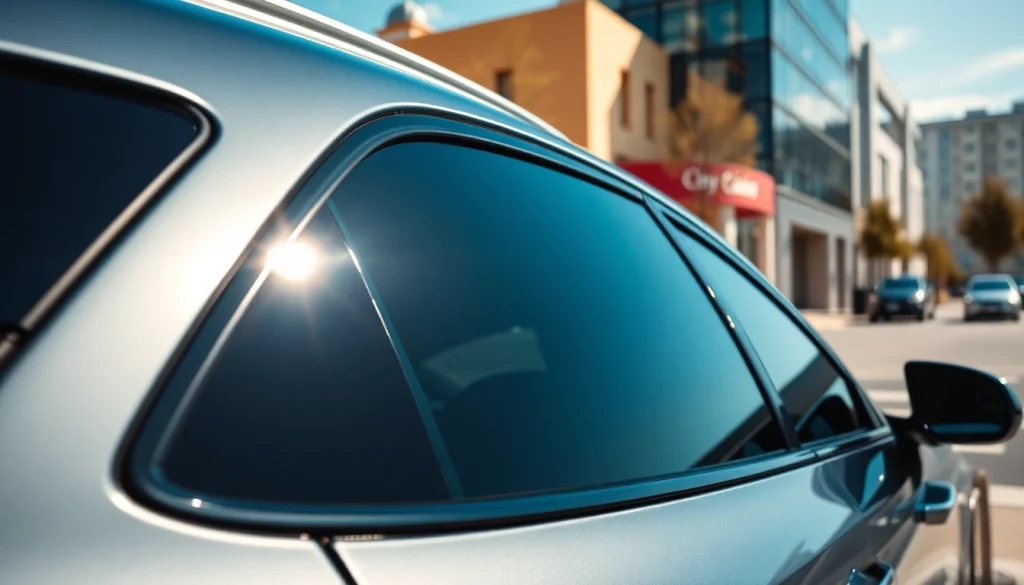
Ceramic window tint is a specialized film that utilizes advanced ceramic technology to enhance vehicle windows. Unlike traditional tints, which often use dyes or metals, ceramic film is crafted from non-conductive, nano-ceramic particles. This design makes the film highly effective at rejecting heat and UV rays while maintaining clear visibility. As a result, ceramic window tint integrates functionality with aesthetics, making it a popular choice among car owners looking for superior performance.
How Ceramic Window Tint Works
The mechanics of ceramic window tint are rooted in its unique composition. When sunlight hits the tinted window, the nano-ceramic particles scatter the light, effectively blocking the infrared radiation that generates heat. Unlike traditional tints that may absorb heat, ceramic films reflect it, ensuring that the interior temperature remains comfortable. Furthermore, they allow visible light to pass through, preserving the natural brightness of your vehicle’s interior without compromising its visual clarity.
Benefits Compared to Regular Tints
Ceramic window tint offers several advantages over conventional tints. For starters, it boasts a higher level of heat rejection—up to 99% of harmful UV rays—and offers superior protection against fading and deterioration of a vehicle’s interior. Regular tints, especially dyed films, can fade and degrade over time, while ceramic films have a longer lifespan and better performance. Additionally, ceramic tints do not interfere with electronic signals, making them an excellent choice for modern vehicles equipped with GPS, Bluetooth, and other technology.
Key Features of Ceramic Window Tint
UV Protection and Heat Rejection
One of the standout features of ceramic window tint is its UV protection capabilities. By blocking a significant amount of ultraviolet light, ceramic films help in preventing skin damage and reducing the risk of skin-related health issues. Heat rejection further enhances comfort, making long drives more enjoyable by lessening the reliance on air conditioning. This ability helps in maintaining a consistent interior temperature, translating to a more pleasant driving experience.
Scratch and Fade Resistance
Durability is another strong suit of ceramic window tint. Most ceramic films are manufactured with high resistance to scratching and fading, ensuring that they maintain aesthetic appeal and functional performance over time. This feature particularly benefits car owners concerned about environmental damage from sun exposure, weather-related wear, or daily use that could potentially harm the tinting material. Investing in ceramic tint means making a choice for long-lasting quality.
Visual Clarity and Aesthetics
Ceramic window tints are renowned for their superior visual clarity. Unlike darker conventional tints, ceramic films provide a clear view without distortion—a valuable quality for drivers concerned about visibility. The aesthetics of these films are also noteworthy; they enhance the vehicle’s appearance without being overly reflective, ensuring a sleek look that appeals to many car enthusiasts.
Installation Process of Ceramic Window Tint
Preparing Your Vehicle
Before applying ceramic window tint, careful preparation is essential. This includes cleaning the windows thoroughly to remove dirt, grime, and other contaminants that could affect adhesion. The installer should remove any old tints or adhesives and inspect the windows for damage that should be addressed prior to installation. Proper preparation ensures that the ceramic film adheres effectively and provides lasting benefits.
Expert Installation vs. DIY
While some may consider DIY installation as a cost-saving option, expert installation is generally recommended for ceramic window tint. Professional installers have specialized tools and experience, which are crucial for achieving seamless, bubble-free application that aligns with manufacturer specifications. Furthermore, improper installation can lead to problems like peeling or bubbling, which can negate the benefits of high-quality ceramic tint.
Curing Time and Maintenance
After installation, ceramic window tint requires a curing period during which the adhesive bonds to the glass. This time frame can usually range from a few days to a few weeks, depending on environmental conditions. For maintenance, ceramic tints typically require minimal upkeep; using soap and water with a soft cloth is sufficient for cleaning, avoiding harsh chemicals that can compromise the film’s integrity.
Cost Considerations for Ceramic Window Tint
Factors Influencing Price
The pricing of ceramic window tint can vary based on several factors, including the quality of the film, the size of the vehicle, and the complexity of the installation. Generally, high-quality ceramic films come at a premium price due to their advanced technology and performance benefits. Additionally, labor costs can vary by location, complexity of the job, and the expertise of the installer, thereby impacting the overall investment.
Long-term Savings on Energy Costs
Investing in ceramic window tint can lead to long-term savings, particularly in energy costs. By effectively reducing heat build-up inside the vehicle, passengers can enjoy a cooler interior without over-reliance on air conditioning, which lowers fuel consumption. Over time, these savings can offset the initial investment in the tinting service, making it a wise financial decision.
Value vs. Investment
While the initial cost of ceramic window tint may be higher compared to traditional options, its durability, effectiveness, and long-term benefits position it as an investment rather than an expense. With its combination of aesthetic improvements, enhanced comfort, and protection against UV rays, ceramic window tint proves to be a valuable addition to any vehicle.
Frequently Asked Questions about Ceramic Window Tint
How long does ceramic window tint last?
Ceramic window tint can last up to 10-15 years or more, depending on maintenance and environmental conditions. Its durability makes it a long-term solution.
Can I remove ceramic window tint?
Yes, ceramic window tint can be removed, typically by a professional to prevent damage to the glass. Proper tools ensure a clean removal process.
Is ceramic window tint legal everywhere?
Window tint laws vary by state and country, so it’s essential to check local regulations. Many places allow ceramic tints, but limits on darkness exist.
What maintenance does ceramic window tint require?
Ceramic window tint requires minimal maintenance—often just regular cleaning with soap and water. Avoid abrasive cleaners to prolong its life.
Does ceramic window tint block heat?
Yes, ceramic window tint is highly effective at blocking heat, reducing interior temperatures significantly while allowing visible light to pass through.