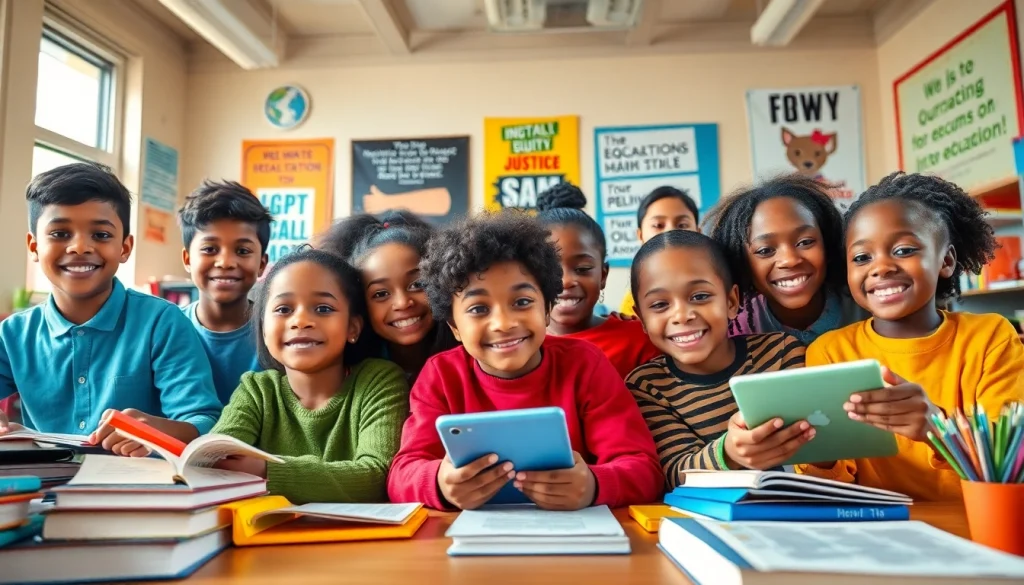
Understanding Education Equity
Education is a powerful tool that can unlock opportunities for individuals and communities. However, not all learners have the same access to quality educational resources. In 2026, the concept of education equity is more vital than ever, as it underscores the necessity for an educational system that values and addresses the diverse needs of all students. Education equity is about ensuring that every student, regardless of their background, has access to the support and resources they need to succeed.
As we explore the intricacies of education equity, it’s essential to recognize that this concept goes beyond mere access to educational institutions. It encompasses a commitment to creating inclusive environments where all students can thrive. For more insights on education reform and how it fosters equity, visit education.
Defining Education Equity in 2026
In 2026, education equity is defined as providing tailored supports and resources to meet the individual needs of a diverse student body. This means understanding that students come from various socio-economic, cultural, and linguistic backgrounds, which can influence their learning experiences and outcomes. The focus is not solely on equal distribution of resources but rather on equitable distribution—where each student receives what they need to achieve their full potential.
The Importance of Inclusive Practices
Inclusive practices are paramount for achieving education equity. These practices foster a learning environment where all students feel valued and respected. Such environments not only enhance academic performance but also contribute to emotional and social development. Schools can implement inclusive practices through differentiated instruction, culturally responsive teaching, and supportive interventions that recognize the diversity of learners.
Common Misconceptions About Educational Equity
There are several misconceptions surrounding education equity. One prevalent myth is that equity means the same resources for all students. However, it is essential to understand that equity involves providing varying levels of support based on individual needs. Another misconception is that education equity is solely the responsibility of schools—while schools play a vital role, achieving equity requires collaboration with families, communities, and policymakers.
Innovative Approaches to Reform
The landscape of education is rapidly changing thanks to innovative approaches to reform. In 2026, educational reformers are embracing new technologies and pedagogical strategies to enhance learning outcomes. These innovations are crucial for meeting the diverse needs of students and preparing them for a complex, interconnected world.
Key Trends in Educational Innovation
Several key trends are emerging in educational innovation, including personalized learning, project-based learning, and the integration of technology. Personalized learning allows students to learn at their own pace, catering to their interests and strengths. Project-based learning fosters critical thinking and collaboration, enabling students to engage with real-world challenges. Additionally, technology integration enhances access to resources and provides opportunities for interactive learning.
Case Studies of Successful Education Reform
Examining case studies of successful education reform can provide valuable insights into effective strategies. For instance, schools that have adopted holistic approaches, such as Social Emotional Learning (SEL), have reported improvements in student engagement and academic performance. These case studies highlight the importance of tailoring reform efforts to the unique needs and contexts of individual schools and communities.
Technology’s Role in Modern Education
Technology is reshaping the educational landscape, offering new avenues for learning and engagement. In 2026, educational technologies such as artificial intelligence, virtual reality, and online collaborative platforms are enhancing the learning experience. These tools enable educators to create dynamic, interactive lessons that cater to diverse learning styles while also allowing for greater access to educational resources for underserved communities.
Strategies for Effective Teaching
Effective teaching strategies are critical in fostering an inclusive and equitable educational environment. In 2026, educators must be equipped with the tools and techniques to engage a diverse student population, ensuring that all learners can thrive.
Best Practices for Engaging Diverse Learners
To effectively engage diverse learners, educators must employ a variety of teaching methods. Differentiated instruction, where lessons are tailored to meet the varying abilities and interests of students, is essential. Additionally, incorporating culturally relevant materials can help students connect classroom learning with their personal experiences and backgrounds.
Creating a Supportive Learning Environment
A supportive learning environment is one where students feel safe, respected, and valued. Creating such an environment requires fostering positive relationships among students, teachers, and families. Strategies to support this include implementing clear behavioral expectations, encouraging peer collaboration, and recognizing student achievements, both big and small.
Assessing Student Performance and Feedback
Regular assessment and feedback are vital for promoting student growth. In 2026, formative assessments that provide ongoing insights into student learning can help educators adjust their teaching strategies accordingly. Providing constructive feedback that is specific and actionable encourages students to engage in a growth mindset, fostering resilience and self-improvement.
Advocacy and Community Involvement
Advocacy is a crucial component of education reform, and community involvement plays a significant role in driving meaningful changes. In 2026, building strong educational communities is essential for sustaining progress toward equity and innovation.
Building Strong Educational Communities
Building strong educational communities involves collaboration among educators, families, and local organizations. These partnerships can enhance educational opportunities by pooling resources and expertise. Successful community programs often include after-school tutoring, mentorship initiatives, and family engagement workshops that empower families to support their children’s education.
The Role of Parents and Guardians in Advocacy
Parents and guardians are vital advocates for their children’s education. In 2026, empowering families to engage in advocacy efforts—such as participating in school boards, attending PTA meetings, and voicing concerns about educational policies—can lead to more responsive and equitable educational systems.
Collaborative Efforts for Lasting Change
Collaboration among various stakeholders—including educators, policymakers, community leaders, and families—is essential for creating lasting change in education. By working together toward common goals, these groups can identify and dismantle systemic barriers that hinder equity and innovation in education.
Future Trends in Education
The future of education is filled with possibilities as we look beyond 2026. Emerging trends indicate that education will continue to evolve in response to societal needs and advancements in technology.
Predictions for Education Beyond 2026
Predictions for the future of education include a greater emphasis on lifelong learning, where education is viewed as an ongoing process rather than a singular stage in life. Additionally, the increasing role of asynchronous learning models will allow learners to engage with educational content at their own pace, fostering flexibility and accessibility.
Emerging Technologies Shaping Learning
Emerging technologies such as augmented reality and machine learning are set to transform educational practices. These technologies can personalize learning experiences and provide real-time feedback, making education more engaging and effective. Staying abreast of these technological advancements will be crucial for educators as they prepare students for the future.
Global Perspectives on Education Reform
Education is a global issue that transcends borders. Learning from international best practices can inform local efforts for reform and equity. For example, countries that prioritize inclusive education policies often report better outcomes for disadvantaged students. By looking to global perspectives, educators and policymakers can foster a more equitable educational system that benefits all learners.