
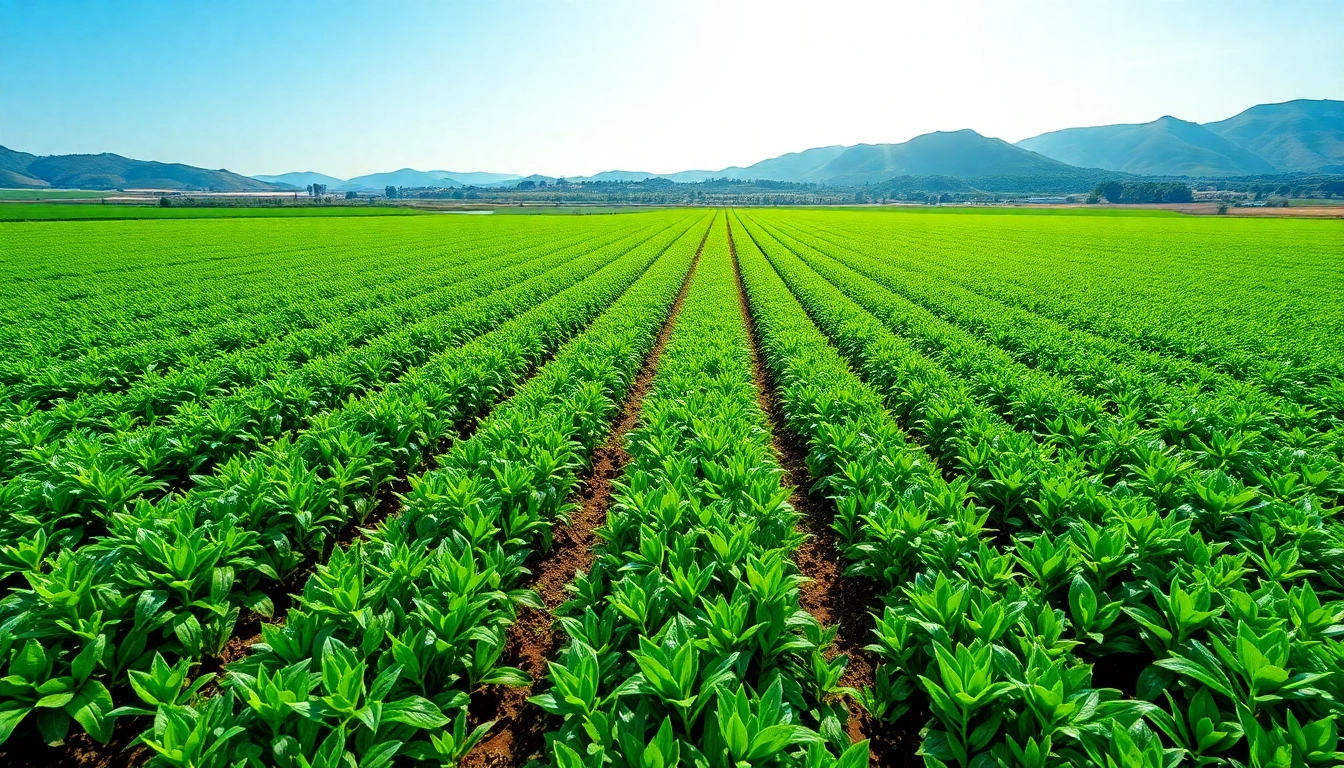
Understanding Land Irrigation
What is Land Irrigation?
Land irrigation is the controlled application of water to the soil or land in order to assist in the growth of crops. This practice aims to enhance productivity by ensuring crops receive the necessary moisture at the right times. It is crucial for agriculture, especially in arid and semi-arid regions where natural rainfall may be insufficient. Effective land irrigation systems can significantly increase crop yields, mitigate drought effects, and optimize water resources.
History and Importance of Land Irrigation
The history of land irrigation dates back thousands of years, with early civilizations such as the Mesopotamians and Egyptians developing sophisticated irrigation systems to transform barren land into fertile fields. These ancient methods laid the groundwork for modern irrigational practices. Irrigation is vital not only for enhancing agricultural output but also for supporting food security and economic growth in many regions across the globe. With an increasing global population and the effects of climate change, the significance of efficient irrigation systems has become even more paramount.
Common Methods of Land Irrigation
Various irrigation methods have been developed over time, each suited to different types of crops and soil conditions. The most common methods include:
- Surface Irrigation: Water is applied directly onto the field and allowed to flow across the soil surface.
- Drip Irrigation: A highly efficient method where water is delivered directly to the root zone of plants through a network of tubing.
- Sprinkler Systems: These systems mimic natural rainfall by allowing water to be sprayed over the crops through a system of pipes and nozzles.
Types of Land Irrigation Systems
Surface Irrigation: Pros and Cons
Surface irrigation, one of the oldest methods, involves water flowing over the ground in a controlled manner. While it is simple and cost-effective, several challenges arise, including water distribution inefficiencies and potential soil erosion. Proper management is essential to maximize its benefits.
Drip Irrigation: Efficiency and Benefits
Drip irrigation stands out as one of the most efficient methods due to its ability to deliver water directly to the plant roots, minimizing evaporation and runoff. This system increases water use efficiency while promoting healthy plant growth. Studies indicate that adopting drip irrigation can lead to significant water savings, often reducing water usage by up to 60% compared to traditional practices.
Sprinkler Systems: Versatility in Use
Sprinkler systems offer a versatile irrigation solution suitable for various crops and terrains. They can be further enhanced by incorporating timers and smart technologies for better water management. Although they require higher initial investment and maintenance costs, the advantages in terms of uniform water distribution and ease of use often justify these expenses.
Benefits of Efficient Land Irrigation
Enhanced Crop Yields
Efficient land irrigation systems contribute to higher crop yields by ensuring plants receive consistent moisture levels. Research has shown that optimized irrigation can increase yields by as much as 50% in certain crops compared to rain-fed agriculture. A well-planned irrigation strategy allows farmers to produce more food with fewer resources.
Water Conservation Techniques
Water scarcity is a pressing concern worldwide, and efficient irrigation practices can significantly mitigate this issue. Techniques such as rainwater harvesting, soil moisture sensors, and scheduling irrigation based on crop needs are vital in conserving water. Implementing these practices leads to sustainable water usage and helps farmers adapt to changing climate conditions.
Improved Soil Quality with Proper Irrigation
Properly managed irrigation not only enhances crop growth but also improves soil quality. Consistent watering maintains optimal moisture levels that encourage nutrient uptake and prevent salinization. Additionally, practices such as incorporating organic matter and mulching can further enhance soil health over time.
Land Irrigation Challenges and Solutions
Addressing Water Scarcity Issues
One of the most significant challenges in land irrigation is the availability of water. As populations grow and climates change, water resources become limited. Solutions include adopting more efficient irrigation technologies, implementing policies that encourage sustainable water use, and investing in infrastructure that allows better water management.
Maintenance of Irrigation Systems
Regular maintenance of irrigation systems is crucial for efficiency and longevity. Neglected systems can lead to leaks, blockages, and inefficient water usage. Farmers should implement routine checks, invest in training for system management, and keep detailed records to monitor system performance.
Sustainable Practices for Land Irrigation
Adopting sustainable irrigation practices is essential for minimizing environmental impact. Techniques such as scheduling irrigation based on weather forecasts, using cover crops, and integrating advanced monitoring technologies can all contribute to more sustainable land irrigation systems. By prioritizing sustainability, farmers can maximize productivity while protecting water resources.
Future of Land Irrigation
Technological Advancements in Irrigation
Advancements in agricultural technology promise significant improvements in land irrigation efficiency. Innovations such as precision agriculture, which involves utilizing data analytics to optimize irrigation, are gaining momentum. These technologies enable farmers to monitor soil moisture levels and adjust irrigation accordingly, leading to more informed decision-making.
Integrating Automation in Land Irrigation
Automation in irrigation systems is transforming how water is managed on farms. Smart irrigation technologies can automatically adjust watering schedules based on real-time data, such as soil moisture and weather conditions. This integration not only saves water but enhances crop health and reduces the labor required for irrigation.
Policy and Investment Trends for Agriculture
Investment in irrigation infrastructure and technology is essential for the future of agriculture. Governments and organizations worldwide are recognizing the importance of sustainable irrigation practices and are beginning to implement policies that encourage investment. This includes funding for research and development in irrigation technology and incentives for farmers to adopt more efficient practices.
FAQs
What is land irrigation?
Land irrigation is the process of applying controlled amounts of water to crops to help them grow, enhancing productivity.
What are the benefits of drip irrigation?
Drip irrigation conserves water by delivering it directly to the plant roots, reducing evaporation and runoff for better efficiency.
How does irrigation affect soil quality?
Proper irrigation improves soil quality by maintaining moisture levels, enhancing nutrient absorption, and preventing soil degradation.
What are the common challenges in land irrigation?
Common challenges include water scarcity, system maintenance, and ensuring efficient distribution of water across fields.
What is the role of technology in modern irrigation?
Technology enhances irrigation through automation, sensors, and data management to optimize water usage and improve crop yields.