
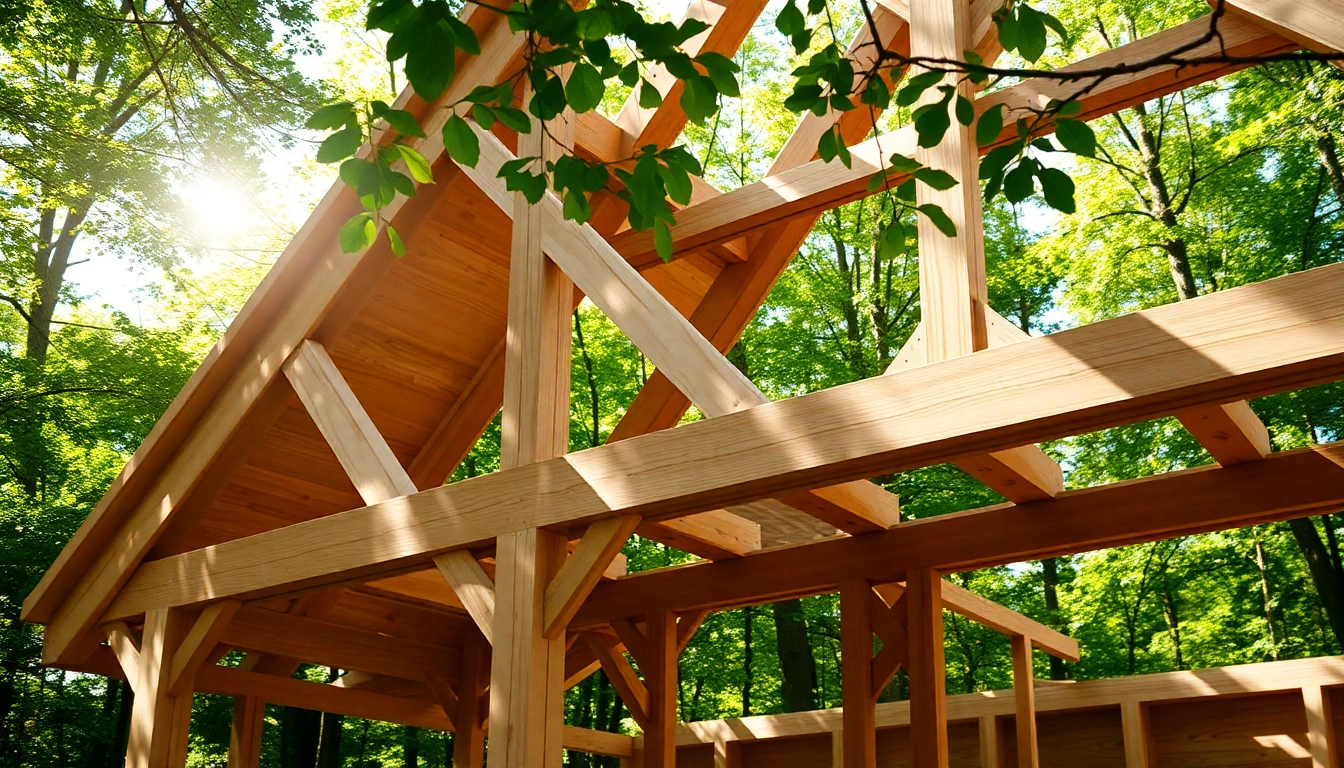
Understanding Structural Timber Frame
Defining Structural Timber Frame
Structural Timber Frame refers to a construction method that employs timber as the primary framework, supporting the structure’s load-bearing requirements. This innovative technique utilizes engineered timber products to create an efficient and aesthetically pleasing building solution that meets modern construction demands. Unlike traditional construction methods, structural timber frame systems provide flexibility in design and construction timelines, making them a popular choice among architects and builders. For further details on these systems, you may explore the concept of Structural Timber Frame to understand their foundational role in contemporary architecture.
Types of Structural Timber Frame
There are several types of structural timber frames, each suited to different applications and design considerations:
- Traditional Timber Frame: This method utilizes large timber posts and beams, often creating visible wooden elements in the finished structure. It is widely appreciated for its aesthetic appeal and durability.
- Engineered Wood Frame: Products like laminated veneer lumber (LVL) and glulam are used here, providing exceptional strength and stability. These materials allow for longer spans and greater design versatility.
- Post and Beam: This construction approach focuses on vertical posts and horizontal beams, creating open spaces and flexible floor plans. It is commonly used in residential and commercial buildings.
- Platform Frame: Ideal for most residential builds, this method involves constructing floors on top of one another, providing simplicity in assembly and enhanced insulation performance.
Key Benefits of Structural Timber Frame
Using structural timber frames in construction comes with a myriad of advantages:
- Sustainability: Timber is a renewable resource, and when sourced responsibly, it has a lower environmental impact compared to traditional materials like steel and concrete.
- Speed of Construction: Timber frame buildings can be prefabricated offsite, allowing for swift assembly on location, which expedites the overall building process.
- Lightweight Structure: Timber frames are lightweight, reducing the need for extensive foundations and structural supports, leading to lower material and labor costs.
- Thermal Efficiency: Timber provides excellent insulation properties, helping to maintain comfortable indoor temperatures while reducing energy consumption.
- Aesthetic Versatility: The natural beauty of wood allows for diverse architectural styles, appealing to a wide range of preferences and enhancing the visual appeal of any structure.
Design Considerations for Structural Timber Frame
Choosing the Right Timber
Selecting the appropriate timber species and grade is critical in structural timber frame projects. Common choices include:
- Softwoods: Species such as spruce, pine, and fir are popular for their availability, cost-effectiveness, and satisfactory structural properties.
- Hardwoods: Although generally more expensive, hardwoods like oak and maple are used for their strength and durability in specific applications.
- Engineered Wood Products: Options like OSB (oriented strand board) and plywood offer uniformity, strength, and predictable performance, often preferred for their engineered characteristics.
Consider factors such as load requirements, exposure to moisture, and potential for pests when choosing the right timber.
Design Styles and Aesthetics
The aesthetic appeal of structural timber frames allows for various design styles, from rustic to modern. A few notable styles include:
- Contemporary: Incorporates sleek lines and open spaces, often exposing timber beams to showcase natural wood textures.
- Traditional: Utilizes classic designs with intricate joinery and rich finishes, preserving the heritage of timber construction.
- Eco-friendly: Designs often focus on sustainability, maximizing natural light and integrating the structure with the surrounding landscape.
It’s essential to balance function with aesthetics, ensuring that the timber frame not only supports the structure but also enhances its overall design.
Energy Efficiency in Design
Energy efficiency is a crucial consideration in the design of structural timber frame buildings. Factors influencing energy performance include:
- Insulation: Using high-quality insulation materials, such as cellulose or rigid foam, can significantly improve the thermal performance of timber frame structures.
- Air Sealing: Proper sealing of joints and penetrations prevents air leaks, improving overall energy efficiency and minimizing energy costs.
- Orientation: Strategically orienting the building can maximize natural light and passive solar heating, further reducing energy needs.
By incorporating energy-efficient strategies into the design process, builders can enhance the sustainability and usability of structural timber frame buildings.
Construction Process of Structural Timber Frame
Preparation and Planning
Efficient planning is essential for the successful execution of a structural timber frame project. Key steps include:
- Site Assessment: Evaluate soil, climate, and access conditions to inform design and construction methodologies.
- Design Development: Collaborate with architects and engineers to create detailed plans that consider structural integrity and aesthetic goals.
- Material Procurement: Source quality materials from reputable suppliers, ensuring compliance with relevant building codes and standards.
Thorough preparation lays the foundation for a seamless construction process, reducing potential delays and oversights.
Installation Techniques
The installation of a structural timber frame requires skilled labor and precision. Common techniques include:
- Framework Assembly: Assemble timber frames onsite following engineered specifications, ensuring correct alignment and plumb.
- Joining Methods: Use advanced joining techniques like timber connectors and metal brackets to enhance structural stability and load distribution.
- Quality Control: Conduct regular inspections during installation to ensure adherence to design specifications and safety regulations.
Proper installation techniques not only ensure structural integrity but also enhance the building’s overall performance.
Quality Control and Inspection
Quality control throughout the construction process is vital for durability and safety. Best practices include:
- Regular Inspections: Conduct visual and physical checks at various construction stages to identify issues early.
- Testing Materials: Test timber products for strength, moisture content, and potential defects to ensure quality standards are met.
- Documentation: Maintain detailed records of inspections, tests, and approvals to ensure compliance with building regulations.
These practices ultimately lead to higher-quality construction and client satisfaction.
Cost Analysis of Structural Timber Frame Projects
Initial Cost vs. Long-Term Benefits
While the initial costs of structural timber frame projects may seem higher than conventional building methods, their long-term benefits often outweigh these costs. Key factors to consider include:
- Reduced Construction Time: Faster build times can lead to lower labor costs and quicker occupancy, translating to sooner return on investment.
- Lower Energy Bills: Enhanced energy efficiency results in long-term savings on utilities, adding financial benefits over the building’s lifespan.
- Maintenance Needs: Timber structures, when properly treated, can have reduced maintenance requirements compared to other building materials.
Overall, a comprehensive cost analysis should incorporate both initial investments and potential long-term savings.
Financing Options
Financing a structural timber frame project can take various forms, including:
- Mortgages: Traditional bank loans tailored for home construction are widely available for timber frame projects.
- Grants and Incentives: Investigate local, state, or national programs that promote sustainable building practices, which may offer funding assistance.
- Private Investment: Collaborating with private investors or construction firms may provide alternative financing routes while sharing risk.
It’s crucial to evaluate and understand available financing options to make informed decisions that align with project goals.
Budgeting for Structural Timber Frame
Effective budgeting for a structural timber frame project can be complex. Key elements to account for include:
- Material Costs: Assess prices for timber and other building materials early in the planning phase to avoid budget overruns.
- Labor Expenses: Factor in labor costs, taking into consideration the specialized skills required for timber framing.
- Unexpected Costs: Set aside contingencies to cover any unforeseen expenses that may arise during construction.
Careful budgeting ensures that projects remain financially viable throughout their lifecycle.
Future Trends in Structural Timber Frame
Sustainability and Eco-Friendly Practices
The demand for sustainable construction methods is driving trends in structural timber frame building. Key areas of focus include:
- Responsible Sourcing: Increasing emphasis on sourcing timber from sustainably managed forests ensures the longevity of timber as a resource.
- Green Certifications: Many construction projects now seek certifications like LEED, which promote sustainability in design and construction.
- Biophilic Design: Integrating natural elements in design not only appeals aesthetically but also enhances occupant well-being.
As sustainability becomes a priority in building, timber framing is positioned as a leading environmentally friendly option.
Technological Innovations
Advancements in technology are influencing structural timber frame construction in various ways:
- Computer-Aided Design (CAD): Utilization of CAD software allows for precision in drafting designs and minimizes errors in the construction process.
- Prefabrication: Offsite prefabrication techniques reduce waste and improve efficiency, enabling quicker and more accurate construction.
- Building Information Modeling (BIM): BIM technology enhances collaboration among architects, engineers, and contractors, streamlining project management.
Embracing these innovations leads to enhanced productivity, safety, and work quality—transforming how timber frames are constructed.
Market Demand for Structural Timber Frame
The market demand for structural timber frames is expected to grow due to several influencing factors:
- Urban Growth: Increasing urbanization drives the need for efficient and rapid construction solutions to house growing populations.
- Consumer Preference: A rising awareness of sustainable building practices promotes the popularity of timber frame constructions among environmentally conscious buyers.
- Regulatory Support: Policies aimed at reducing carbon footprints and promoting building sustainability further bolster the adoption of timber structures.
Understanding these dynamics can help builders and developers align their offerings with market demands effectively.
Frequently Asked Questions
What are the primary advantages of using structural timber frame?
Structural timber frame offers sustainability, energy efficiency, reduced construction time, and aesthetic versatility, making it a desirable choice for builders.
How does structural timber compare to other building materials?
Timber is lighter, renewable, and offers better thermal performance than many traditional materials, which can reduce energy costs and environmental impact.
Are timber frame structures durable?
Yes, when properly treated and maintained, timber frame structures can be exceptionally durable and withstand various environmental conditions.
Can I customize a timber frame design?
Absolutely! One of the key benefits of structural timber framing is its flexibility, allowing for custom designs to fit individual preferences and requirements.
What maintenance is required for timber frame buildings?
Regular inspections for moisture, pests, and structural integrity, along with occasional treating and sealing of wood surfaces, help in maintaining timber frame buildings.