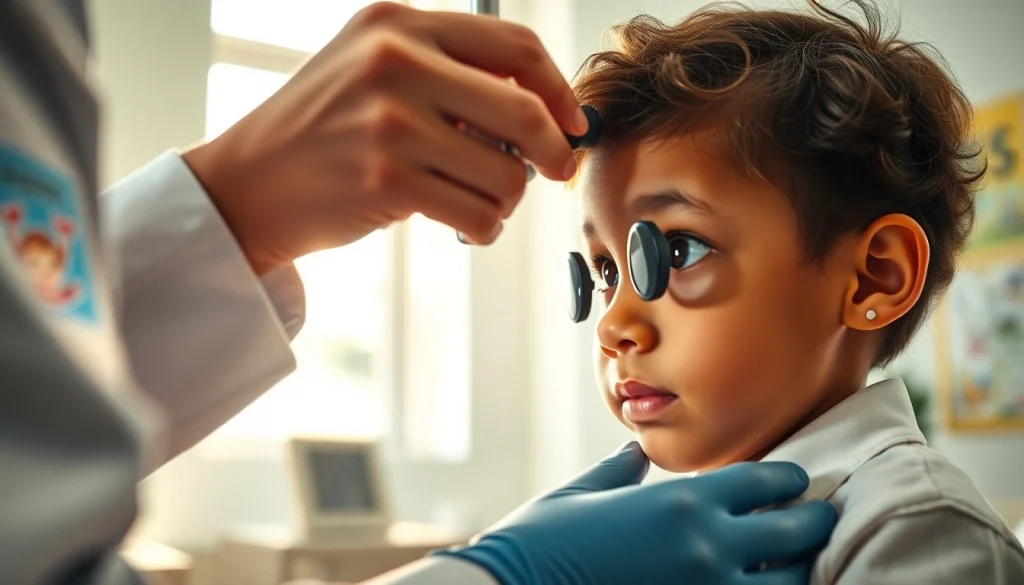
Understanding the Importance of Eye Care for Children
Vision is a fundamental aspect of a child’s development, influencing not only their learning abilities but also their overall health and well-being. Yet, millions of children worldwide suffer from undiagnosed vision problems that can stem from a lack of access to comprehensive eye care. The initiative Our Children’s Vision aims to bridge this gap, ensuring that all children receive the eye care they need.
Why Eye Health Matters in Early Development
Eye health is crucial during a child’s formative years. It impacts various aspects of their life, including:
- Learning and Academic Performance: Good vision is essential for reading, writing, and engaging in classroom activities. Vision problems can lead to difficulties in understanding educational materials and interacting with peers.
- Physical Coordination: Vision influences a child’s ability to navigate their environment safely, affecting their play, sports participation, and overall physical development.
- Social Interaction: Visual impairments can hinder a child’s ability to communicate and build relationships, potentially leading to feelings of isolation.
Recognizing and addressing vision issues early can have lasting impacts on children’s health and success in life.
Common Vision Issues Affecting Children Today
Various vision challenges can affect children, among the most prevalent are:
- Refractive Errors: This includes conditions like myopia (nearsightedness), hyperopia (farsightedness), and astigmatism, all of which can typically be corrected with glasses or contact lenses.
- Amblyopia: Often referred to as “lazy eye,” amblyopia occurs when one eye does not develop properly, leading to poor vision in that eye. Early detection and treatment are crucial.
- Strabismus: Commonly known as crossed eyes, this condition involves misalignment of the eyes, which can hinder binocularity and lead to amblyopia if uncorrected.
Awareness of these conditions helps parents take proactive measures for their children’s eye health.
Long-term Implications of Untreated Vision Problems
Failing to address vision issues can have significant long-term repercussions:
- Educational Setbacks: Children with untreated vision problems may struggle academically, which can affect their long-term educational and career opportunities.
- Social Difficulties: Poor vision can lead to struggles in social situations, contributing to low self-esteem and lack of participation in group activities.
- Physical Safety: Vision problems can increase the risk of accidents and injuries, especially during play or sports activities.
Understanding these implications emphasizes the importance of regular eye exams and prompt treatment.
Our Children’s Vision Initiative Overview
The Our Children’s Vision initiative is dedicated to the global mission of ensuring that all children can access necessary eye care services. Through collaboration and advocacy, the initiative seeks to dismantle barriers to eye health.
Mission and Objectives of Our Children’s Vision
The mission of Our Children’s Vision is straightforward yet ambitious: to provide every child worldwide with access to essential eye care services. The objectives include:
- Raising Awareness: Educating communities about the importance of regular eye examinations and vision health.
- Establishing Partnerships: Collaborating with governmental and non-governmental organizations to improve service delivery and reach marginalized populations.
- Research and Data Collection: Generating and disseminating data that highlights the need for changes and improvements in children’s eye care services.
These efforts drive the initiative’s core objective — to create a world where no child is limited by poor vision.
Key Partners and Stakeholders Involved
Collaborating partners play a crucial role in the success of Our Children’s Vision. These include:
- Health Organizations: Entities dedicated to promoting public health initiatives, providing essential resources for eye care.
- Educational Institutions: Schools that integrate vision screening into their health programs, ensuring early detection of vision problems.
- Community Health Workers: Local representatives who raise awareness and facilitate access to eye care services within their communities.
By creating a multi-faceted network of support, the initiative is well-positioned to effect meaningful change.
Recent Achievements and Milestones
Since its inception, Our Children’s Vision has celebrated numerous achievements:
- Global Reach: The initiative has successfully provided eye care to millions of children across various countries, positively impacting their quality of life.
- Increased Awareness: Through its campaigns, the initiative has raised awareness about common vision problems and the importance of eye care.
- Innovative Solutions: Development and implementation of programs designed to make eye care more accessible, particularly in underserved regions.
These milestones serve as benchmarks of progress and motivate further endeavors to enhance children’s eye health.
How to Access Eye Care Services for Children
Accessing eye care services is critical for identifying and managing vision issues in children. Here’s how families can navigate this process:
Finding Local Eye Care Providers
Parents should regularly check their children’s vision and ensure they are seeing an eye care professional who can provide comprehensive services. Useful strategies to find local eye care providers include:
- Asking pediatricians for referrals to trusted optometrists or ophthalmologists.
- Utilizing resources from health organizations, which often maintain directories of certified eye care providers.
- Exploring community health clinics that may offer vision screenings and exams.
Proactive steps can help ensure that children receive the appropriate care they need.
Financial Assistance Options for Families
The cost of eye care can pose a challenge for many families. Fortunately, there are several financial assistance options available:
- Insurance Coverage: Many health insurance plans cover vision exams and corrective lenses for children. Reviewing policy details can help families take full advantage of their benefits.
- Sliding Scale Fees: Some eye care providers offer services based on a sliding fee scale, adjusted to a family’s income, making care more affordable.
- Charitable Organizations: Various non-profits provide scholarships or funding for eye exams and glasses for low-income families.
Exploring these options can help alleviate financial burdens and prioritize children’s eye health.
Utilizing Community Resources for Eye Health
Communities play a vital role in promoting children’s eye health. Parents should consider engaging with local resources such as:
- Schools: Many educational institutions conduct periodic vision screenings and may offer resources for families needing eye care.
- Public Health Departments: Local health departments often have programs dedicated to children’s health, including vision screenings and referrals to low-cost eye care options.
- Community Workshops: Participating in workshops or events focused on children’s health can provide valuable information and connections to resources.
Leveraging community assets can be instrumental in fostering a culture of proactive eye health awareness.
Raising Awareness About Children’s Vision Health
Creating awareness around children’s vision health is essential for preventing vision problems from going unnoticed. Here are effective strategies to promote the cause:
Effective Strategies for Community Education
To educate the community effectively, consider employing the following strategies:
- Workshops and Seminars: Hosting events can inform parents about the importance of eye care, common vision problems, and available resources.
- Information Campaigns: Utilizing social media, newsletters, and flyers can disseminate crucial information about children’s vision health to a broader audience.
- Collaboration with Local Media: Partnering with local newspapers and radio stations can help reach more families with messages about eye health.
Educating communities empowers parents to prioritize their children’s vision health.
Advocacy for Policy Changes to Support Eye Care
Advocacy plays a crucial role in shaping policies that support children’s vision health. To engage in meaningful advocacy:
- Engage with Policymakers: Arrange meetings with local leaders to highlight the importance of investing in children’s eye care services.
- Participate in Coalitions: Joining forces with other organizations can amplify the message and give a stronger voice to the cause.
- Share Data and Stories: Providing data and personal stories about the impact of vision problems can help persuade policymakers to support necessary changes.
Advocacy efforts can result in improved policies that enhance access to eye care for all children.
Engaging Schools and Educational Institutions
Schools are critical to promoting children’s vision health. Strategies for engagement include:
- Incorporating Vision Education: Work with schools to integrate eye health education into their health curricula, emphasizing its importance for academic success.
- Regular Screenings: Encourage schools to conduct annual vision screenings and refer students who may need further evaluation and treatment.
- Support Services: Schools can partner with local eye care providers to offer low-cost services to students in need.
Building partnerships with educational institutions can ensure that children’s vision health remains a priority.
Measuring the Impact of Our Children’s Vision
Assessing the effectiveness of programs and initiatives is vital for continuous improvement. Here are ways to measure the impact of Our Children’s Vision:
Success Stories and Testimonials from Families
Gathering success stories from families who have benefited from eye care programs can provide qualitative data that illustrates the initiative’s impact:
- Collecting testimonials can showcase the real-life differences made, encouraging further participation and support.
- Case studies highlighting specific interventions (e.g., screening programs) that led to significant improvements in children’s quality of life can motivate ongoing commitment to the initiative.
Sharing these narratives fosters hope and encourages continued investment in children’s eye care.
Metrics for Evaluating Program Effectiveness
Quantitative metrics are essential for measuring outcomes effectively. Some key performance indicators may include:
- Number of Screenings Conducted: Examining how many children have undergone screenings within a given period helps assess outreach success.
- Treatment Uptake Rates: Tracking how many children referred for further evaluation or treatment actually received care provides insight into program effectiveness.
- Community Participation: Evaluating how many families engage with educational and awareness programs can indicate community responsiveness.
These metrics enable policymakers and stakeholders to make data-driven decisions about resource allocation and program design.
Future Goals for Expanding Service Reach
As the initiative looks to the future, several goals emerge to expand its reach:
- Geographic Expansion: Increase the initiative’s footprint in underserved regions where children lack access to basic eye care services.
- Partnership Growth: Establish new partnerships with organizations that complement the initiative’s mission and can provide additional resources.
- Increased Funding: Propel efforts to secure additional funding through grants and donations to support program scaling and innovation.
Setting clear goals will guide the initiative toward sustainable growth and a greater impact on children’s vision health.