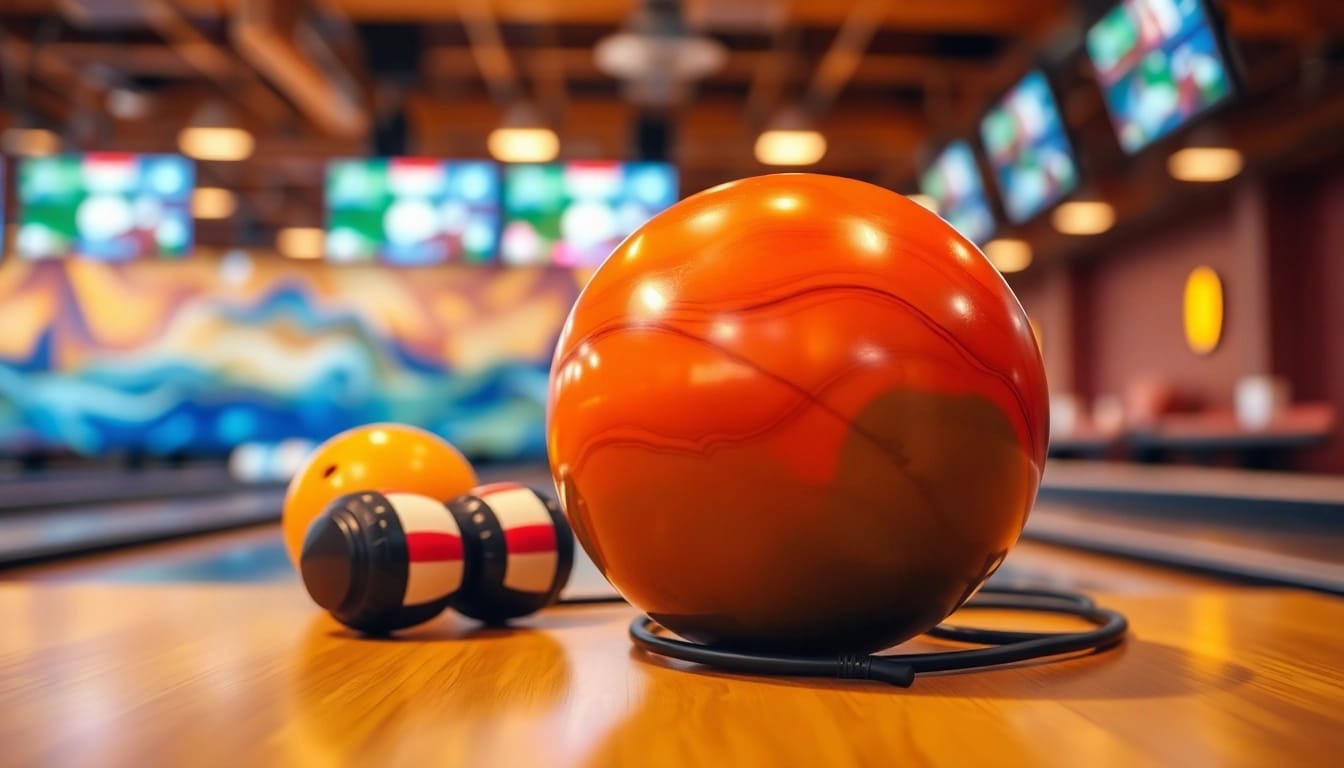
Understanding the Value of Used Bowling Equipment
In recent years, used bowling equipment has gained significant traction among bowling alley operators. This shift can be attributed to several compelling factors, including affordability, reliability, and an increasing awareness of sustainability. For operators looking to balance quality and budget, investing in refurbished bowling gear has become an attractive solution. Understanding the full value proposition of used equipment is crucial for making informed purchasing decisions that align with operational goals and customer satisfaction.
Cost Benefits of Used vs. New Equipment
When considering the purchase of bowling equipment, the cost is often a primary deciding factor. New equipment can be prohibitively expensive, especially for smaller bowling alleys or those just starting out. Used bowling equipment presents a viable alternative. Here are some cost benefits to consider:
- Substantial Savings: Used equipment typically costs significantly less than new, sometimes as much as 50% or more. This reduction allows operators to allocate funds to other essential areas such as marketing or facility upgrades.
- Immediate Availability: While new equipment may have long lead times due to manufacturing, used equipment can often be purchased and set up quickly, minimizing downtime during transitions.
- Reduced Depreciation: New bowling equipment depreciates rapidly once it leaves the store. Used equipment, on the other hand, has already absorbed the initial depreciation, providing better value retention over time.
Quality Assurance: What to Look For
Quality assurance is a critical aspect when selecting used bowling equipment. Not all used equipment is created equal, and discerning buyers should consider several factors:
- Condition: Inspect the physical condition of the equipment. Look for signs of wear and tear, but remember that minor cosmetic blemishes do not necessarily imply reduced functionality.
- Brand Reputation: Some brands are known for their durability and reliability. Sticking with reputable brands can offer peace of mind regarding the longevity of the equipment.
- Refurbishment Standards: Ensure that the equipment has been properly refurbished. Professional refurbishing should include cleaning, repairs, and testing to guarantee optimal performance.
Environmental Impact of Choosing Used Equipment
In an era when sustainability is at the forefront of consumer choices, opting for used bowling equipment can significantly reduce environmental impact. Here are ways in which purchasing used equipment supports environmentally friendly practices:
- Reducing Waste: Buying used equipment helps keep functional items out of landfills, promoting the reuse of goods and reducing overall waste.
- Lower Carbon Footprint: The manufacturing process of new equipment involves resource extraction and significant energy use. By choosing used, you contribute to a reduced carbon footprint associated with production.
- Supporting Local Economies: Often, used equipment is sold by local businesses or individuals, keeping the economic benefits within your community.
Where to Find Reliable Used Bowling Equipment
Finding reliable sources for used bowling equipment can make or break your purchasing experience. There are various avenues available to explore:
Top Online Platforms for Purchase
With the advent of e-commerce, online platforms have become a primary destination for sourcing used bowling equipment. Websites like eBay, and specialized retailers offer extensive listings. When buying online, consider the following:
- Seller Ratings: Always check reviews and ratings of sellers to assess their trustworthiness.
- Return Policies: Look for sellers with flexible return policies that protect your investment.
- Detailed Listings: Ensure that listings include clear descriptions and photos to give you a comprehensive understanding of the equipment's condition.
Local Shops vs. Online Marketplaces
While online marketplaces provide convenience, local shops can offer distinct advantages. Purchasing from local shops allows for:
- Direct Inspection: You can physically evaluate the equipment before committing.
- Immediate Transactions: No waiting for shipping or delivery times, allowing you to set up your equipment promptly.
- Building Relationships: Developing relationships with local retailers can lead to better deals and insights into future inventory.
Evaluating Seller Reputation and Equipment Condition
Regardless of where you shop, assessing seller reputation is paramount. Some tips to evaluate include:
- Research: Look for certifications or affiliations that indicate industry recognition.
- Ask Questions: Don’t hesitate to ask sellers about the history and condition of the equipment.
- Warranty Information: Ensure you understand any warranties or guarantees offered by the seller.
Refurbishment Processes for Used Bowling Equipment
Refurbishment is a key component of the used equipment market, as it ensures that products meet a certain standard of quality. Understanding the refurbishment process can help you make informed purchasing decisions.
Standard Practices for Refurbishing Equipment
The refurbishment process typically includes several stages aimed at restoring equipment to a near-new condition. Common practices include:
- Cleaning: Comprehensive cleaning to remove dirt, grease, and any lingering odors.
- Repairs: Addressing any mechanical issues or damages to ensure optimal functionality.
- Testing: Rigorous performance testing to ensure that each unit works as intended.
Testing Equipment: Ensuring Quality Performance
Quality testing is essential to guarantee that refurbished bowling equipment performs reliably. Look for:
- Functional Testing: Equipment should undergo various tests that mimic actual use scenarios.
- Longevity Assessments: Assessing how well the equipment will hold up over time under regular use conditions.
- Certification: Some refurbishers may provide certification that the equipment has passed quality assurance tests.
Brands Known for Quality Refurbished Products
Certain brands stand out in the refurbished market for maintaining quality and reliability. Examples include:
- Brunswick: Renowned for producing long-lasting bowling products, their refurbished items are often highly sought after.
- Storm: Known for innovative bowling balls and accessories, offering refurbished options that retain their performance edge.
- AMF: A legacy brand in the bowling industry, known for durable equipment that stands the test of time.
After-Sales Support and Warranty Considerations
After-sales support can significantly enhance your experience and confidence in purchasing used bowling equipment. It is essential to understand what resources and guarantees are available.
Understanding Warranty Options for Used Equipment
When purchasing used bowling equipment, inquire about warranty options offered by the seller. Consider:
- Duration: A good warranty should provide coverage for a reasonable period following your purchase.
- Coverage: Understand what is and isn't covered under warranty - such as parts, labor, or return shipping.
- Transferability: If you intend to sell the equipment in the future, check if the warranty is transferable to subsequent owners.
Importance of Customer Support Services
A responsive customer support team can be invaluable in addressing any concerns post-purchase. Seek sellers who offer:
- Accessible Communication: Multiple channels such as phone, email, and chat support.
- Guidance on Usage: Help with setup, maintenance, and troubleshooting to ensure optimal performance of your equipment.
- Resource Availability: Access to manuals, FAQs, and video tutorials can enhance user experiences.
Maximizing Your Investment: Maintenance Tips
Maintaining your used bowling equipment is crucial to prolonging its lifespan and performance. Consider the following tips:
- Regular Cleaning: Establish a routine cleaning schedule to remove dust and debris.
- Condition Checks: Regularly inspect equipment for wear and tear and address issues before they escalate.
- Professional Servicing: Consider periodic professional servicing to ensure that all mechanical components are functioning optimally.
Future Trends in Bowling Equipment for 2025 and Beyond
The bowling industry is constantly evolving, with numerous trends that may influence how operators approach purchasing equipment in the coming years. Understanding these trends can help in strategic planning.
Innovations in Refurbishment Techniques
As technology advances, so do the techniques used in refurbishing bowling equipment. Expect to see:
- Enhanced Cleaning Methods: New cleaning technologies utilize eco-friendly materials, improving both efficiency and sustainability.
- Advanced Testing Procedures: Automated testing systems that provide precise performance assessments to enhance quality control.
- Customized Refurbishment: Tailored refurbishment options that allow operators to specify the refurbishment level based on their needs.
Market Demand Changes and Consumer Preferences
The landscape of consumer preferences is continuously shifting, influenced by factors such as:
- Cost Sensitivity: In unpredictable economic times, there is likely to be an increased demand for affordable used equipment among budget-conscious operators.
- Sustainability Concerns: Growing consumer awareness around environmental issues could lead to a preference for refurbished products.
- Quality Expectations: With used equipment becoming more accepted, consumers may begin to expect higher quality standards, pushing refurbishers to continually improve.
Emerging Technologies in Bowling Equipment
Future bowling equipment is likely to incorporate emerging technologies that enhance user experience and performance, including:
- Smart Technology: Integrating smart components that track performance metrics and provide real-time feedback to bowlers.
- Virtual Reality Training Tools: Tools that allow bowlers to practice and improve their skills in virtual environments.
- Material Innovations: New materials that improve durability and performance, making refurbished items even more appealing.