Understanding Japanese Knotweed Removal
Japanese Knotweed, a highly invasive species, poses significant challenges for homeowners and landowners alike. Its rapid growth can lead to detrimental effects on property value and structural integrity. Understanding the nuances of Japanese Knotweed Removal is essential for effective management and eradication of this troublesome plant. This guide examines the identification, removal techniques, legal implications, and management practices associated with Japanese Knotweed.
What is Japanese Knotweed?
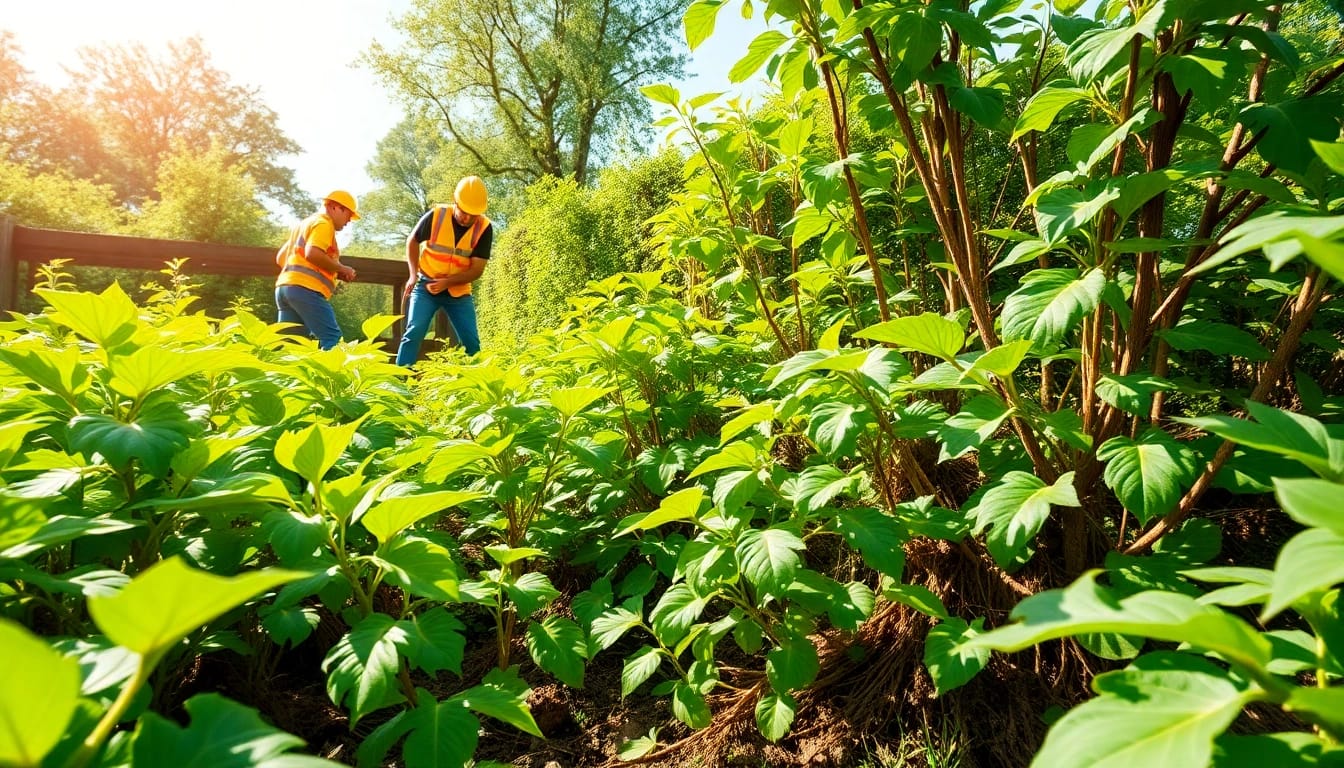
Japanese Knotweed (Fallopia japonica) is a perennial plant native to East Asia. Recognized for its bamboo-like stems, broad leaves, and dense growth, this species thrives in various environments, often outcompeting native flora. Its growth can reach up to three meters in height, making it a robust contender in ecological systems. The plant spreads through both seed and its extensive underground rhizome network, making it notoriously resilient.
The Importance of Japanese Knotweed Removal
Effective removal of Japanese Knotweed is crucial due to its invasive nature. If left untreated, it can cause extensive damage to properties by compromising foundations and structures, leading to costly repairs. Homeowners may find it challenging to sell properties with an active infestation, as lenders often refuse mortgages on such properties. Additionally, its ability to degrade local ecosystems further emphasizes the need for removal.
Legal Implications Regarding Japanese Knotweed
In many jurisdictions, property owners are legally obligated to manage and control the spread of Japanese Knotweed. Failing to address the issue can result in legal repercussions and financial liabilities. Various laws exist to mitigate the spread of invasive species, holding property owners responsible for ensuring that their land does not contribute to the proliferation of Japanese Knotweed into neighboring areas.
Identifying Japanese Knotweed
Key Characteristics of Japanese Knotweed
To effectively combat Japanese Knotweed, proper identification is essential. Key characteristics include:
- Stem: Hollow, bamboo-like stems that are reddish-brown in color during spring and summer.
- Leaves: Broad, green, and heart-shaped, measuring up to 20 cm in length.
- Flowers: Creamy white clusters that bloom in late summer, attracting insects.
- Rhizomes: Extensive underground root systems capable of growing several meters deep.
Common Locations for Growth
Japanese Knotweed typically thrives in disturbed areas such as:
- Riverbanks
- Construction sites
- Gardens and landscaped areas
- Along roadsides and railways
- Waste ground
Misidentifying Japanese Knotweed
Due to its resemblance to other plant species, misidentifying Japanese Knotweed is a common issue. It can be confused with species such as Russian Vine or Bamboo. Accurate identification is crucial, as misidentification could lead to ineffective control measures. Consulting with a professional is advisable for uncertain plant identification.
Methods for Japanese Knotweed Removal
Mechanical Removal Techniques
Mechanical removal involves physically uprooting or cutting the plant. Techniques include:
- Digging: This involves excavating the plant and as much of the root system as possible. However, it requires specialized equipment and proper disposal methods to prevent regrowth.
- Cutting: Regular cutting during the growing season can weaken the plant, though it is not a standalone solution.
Chemical Treatments and Herbicides
Chemical treatments are among the most effective methods for eradicating Japanese Knotweed. Key considerations include:
- Choosing the Right Herbicide: Glyphosate-based herbicides are commonly used. It's important to follow label instructions to maximize effectiveness.
- Timing Application: Treatments should be applied when the plant is actively growing, typically in late summer or early autumn.
Natural Removal Methods
For those seeking environmentally-friendly options, natural removal methods can be considered, such as:
- Boiling Water: Pouring boiling water on the plants can kill the above-ground structures and weaken the roots.
- Vinegar: High concentrations of vinegar can serve as a natural herbicide when applied repeatedly.
Best Practices for Japanese Knotweed Management
Timing Your Removal Efforts
Effective management of Japanese Knotweed requires strategic timing. Early intervention during the growing season maximizes the effectiveness of both mechanical and chemical removal methods. Monitoring and assessment should continue throughout the year to track growth patterns.
Monitoring Post-Removal Areas
After removal, continuous monitoring is necessary to ensure that no regrowth occurs. Regular inspections and maintenance can help detect any plant re-emergence early, allowing for prompt action. Documenting changes can provide valuable data for future management efforts.
Preventing Future Growth
Once Japanese Knotweed is removed, taking steps to prevent future infestations is essential. Consider implementing:
- Barrier Systems: Installing root barriers can help prevent rhizome spread to nearby areas.
- Soil Management: Implementing healthy soil practices can improve the overall ecology and reduce the likelihood of knotweed resurgence.
FAQs About Japanese Knotweed Removal
What are the signs of Japanese Knotweed infestation?
Signs include bamboo-like stems, heart-shaped leaves, and white flower clusters. You might also see rhizomes in the ground, especially during spring.
How long does it take to remove Japanese Knotweed?
The timeline for removal varies, ranging from several months to multiple years, depending on the infestation's extent and chosen method.
Are chemical treatments safe for the environment?
When applied correctly, chemical treatments can be safe. However, potential risks to surrounding plant life and water systems should be considered.
Can Japanese Knotweed regrow after removal?
Yes, if not managed properly, Japanese Knotweed can regrow, particularly if bits of rhizomes remain. Continuous monitoring and follow-up treatments are essential.
What are the costs associated with Japanese Knotweed removal?
Costs can vary widely based on infestation size, chosen removal methods, and professional service charges. An assessment will provide specific estimates.