Understanding Video Editing Services
In today’s digital landscape, video content has become an integral part of personal branding, marketing strategies, and content creation. As more individuals and organizations harness the power of video, the demand for video editing services continues to surge. These services cater to diverse needs, from simple edits for personal projects to comprehensive post-production for films and advertisements.
What Are Video Editing Services?
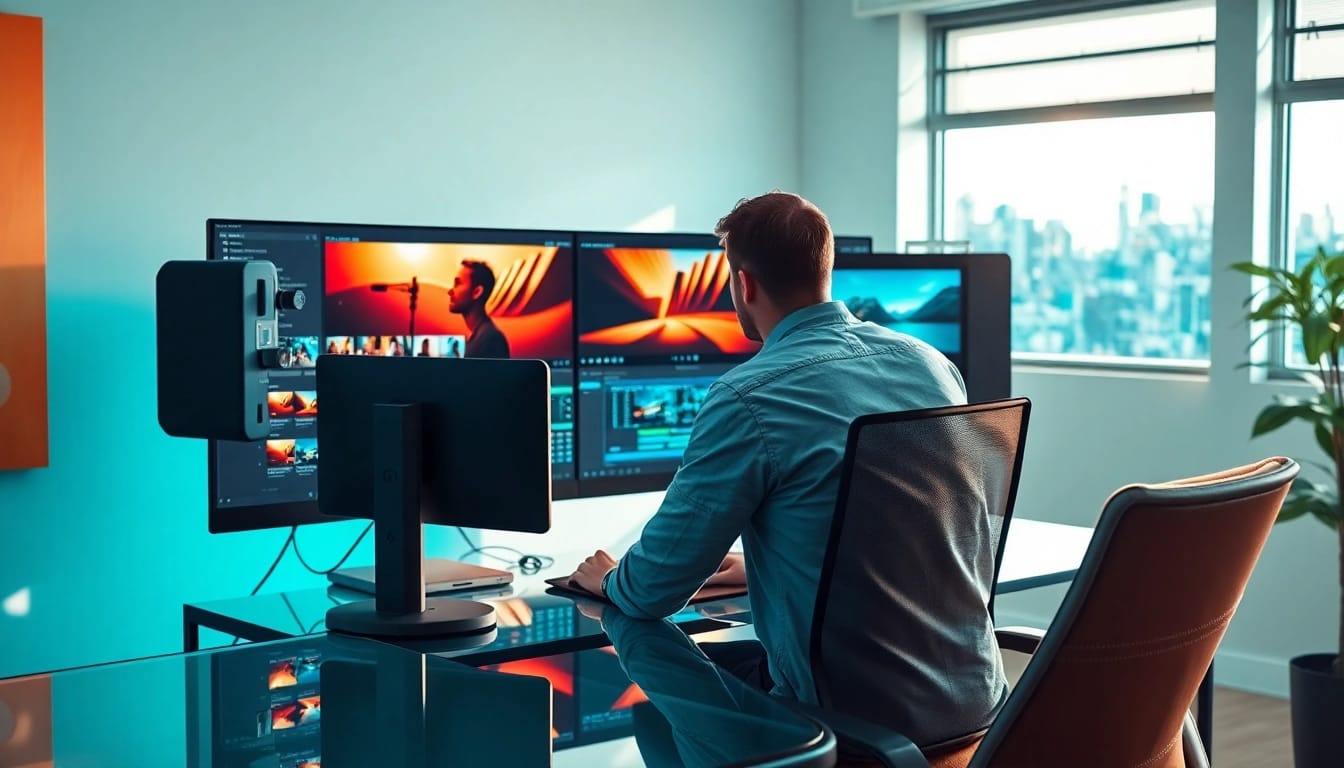
Video editing services encompass a range of activities aimed at enhancing raw footage to create a polished final product. This can involve cutting and rearranging scenes, adding sound effects, incorporating music, applying color correction, and adding visual effects. The ultimate goal is to create engaging, cohesive, and visually appealing content that resonates with the target audience.
Types of Video Editing Services Available
Video editing services can be broadly classified into several categories, each catering to unique requirements:
- Commercial Video Editing: Tailored for businesses to produce promotional materials, corporate videos, and advertising commercials.
- Social Media Editing: Focused on creating short, engaging clips ideal for platforms like Instagram, TikTok, and YouTube.
- Event Editing: Involves editing footage from events such as weddings, parties, and conferences.
- Documentary and Narrative Editing: Requires a deeper understanding of storytelling, pacing, and character development.
- Transfer and Restoration Editing: Works on converting older formats to digital while restoring quality.
Overview of the Video Editing Process
The video editing process usually involves several key stages:
- Pre-Editing: Organizing footage, selecting clips for inclusion, and defining the project structure.
- Editing: This is the core phase where clips are cut, arranged, and transformed through various effects and transitions.
- Post-Production: Involves adding sound, color grading, and special effects to enhance the video.
- Client Review: Presenting the edit to the client for feedback and making necessary revisions.
- Final Output: Rendering the video into the required format for distribution.
Benefits of Professional Video Editing Services
Investing in professional video editing services brings multiple advantages that significantly enhance the value of the final content.
Enhancing Content Quality and Engagement
The first and foremost benefit of professional video editing is improved content quality. Skilled editors understand how to create a rhythm and flow that keeps viewers engaged. By effectively pacing the video, including compelling visuals, and using sound effectively, editors can elevate the overall aesthetic and narrative of the project.
Time and Cost Efficiency for Businesses
Time is a critical resource for both individuals and businesses. By outsourcing video editing, clients can allocate their time to other essential tasks, such as planning, strategy, or client relationships. Moreover, hiring a professional can often result in a lower cost compared to employing in-house editors, especially for projects that don’t require a full-time presence.
Improving Brand Image Through Professional Editing
High-quality video content fosters a sense of professionalism and can significantly improve brand image. Whether it's a polished advertisement or a corporate video, showcasing well-edited footage aids in establishing trust and credibility with the audience. This is particularly important in competitive markets where first impressions matter greatly.
Choosing the Right Video Editing Service Provider
Selecting the right video editing service is crucial to achieving the desired outcome. A multitude of factors should be considered before making a decision.
Key Factors to Consider When Selecting a Service
When evaluating potential video editing services, consider the following:
- Experience: Look for providers with a proven track record in your desired style or genre of video.
- Reviews and Testimonials: Check for client feedback and success stories to gauge satisfaction and expertise.
- Turnaround Time: Ensure that the editor can meet your deadlines without sacrificing quality.
- Communication Skills: Effective communication is key to collaboration, especially when it comes to understanding your vision.
Questions to Ask Potential Editors
Before hiring a video editor, engage them in conversation with targeted questions such as:
- What is your editing process?
- Can you show me examples similar to my project?
- What editing software do you use?
- How do you handle feedback and revisions?
- What are your rates and payment terms?
Assessing Portfolio and Skill Level
A portfolio is one of the best indicators of an editor’s capabilities. Look for diversity in their work, analyzing the techniques they use and the quality of outcomes. Assess whether their style aligns with your brand’s identity and target audience.
Common Challenges in Video Editing
Engaging in the video editing process can present unique challenges, requiring both technical skill and creative thinking to overcome.
Managing Client Expectations and Revisions
Clients often have specific visions for their projects, which may not align with realistic editing capabilities. Clear communication from the start about what is achievable and regular updates can help manage expectations effectively. Establishing a structured review process allows clients to provide feedback without jeopardizing the project timeline.
Technical Issues and Solutions
Video editing comes with technical complexities, including software crashes, infinite rendering times, and quality control issues. Having a backup plan is essential, which can include maintaining multiple copies of project files and using reliable software. Regular maintenance on hardware and software can also mitigate these issues.
Balancing Creativity with Technical Precision
Video editing is a unique blend of artistry and technical skill, requiring a balance between creative expression and the practical use of software tools. Editors need to remain open to creative ideas while adhering to technical limitations of formats, resolutions, and delivery methods. Continuous education through classes or tutorials can help maintain this balance.
Future Trends in Video Editing Services
The video editing landscape is ever-evolving, influenced by technology and audience preferences, which is essential to monitor for ongoing success.
Impact of AI and Technology on Video Editing
Artificial Intelligence is beginning to transform the video editing industry by automating certain tasks, such as sorting footage, generating subtitles, and even suggesting edits based on previous styles. These advancements can free up editors to focus more on the creative aspects of their work, allowing for more innovative storytelling.
Emerging Styles and Techniques in Video Production
With the rise of platforms like TikTok and Instagram Reels, short-form content and vertical video formats are gaining popularity. Editors must be flexible and adapt to these emerging styles, often incorporating quick cuts, engaging transitions, and visually driven narratives that cater to shorter attention spans.
Adapting to Changing Audience Preferences
As audience tastes evolve, so too must the content produced. Staying up to date with the latest trends in video consumption, such as virtual reality experiences or interactive videos, can set service providers apart. This adaptability will become increasingly necessary as new platforms and technologies emerge.