Understanding the Emergency Blanket
What is an Emergency Blanket?
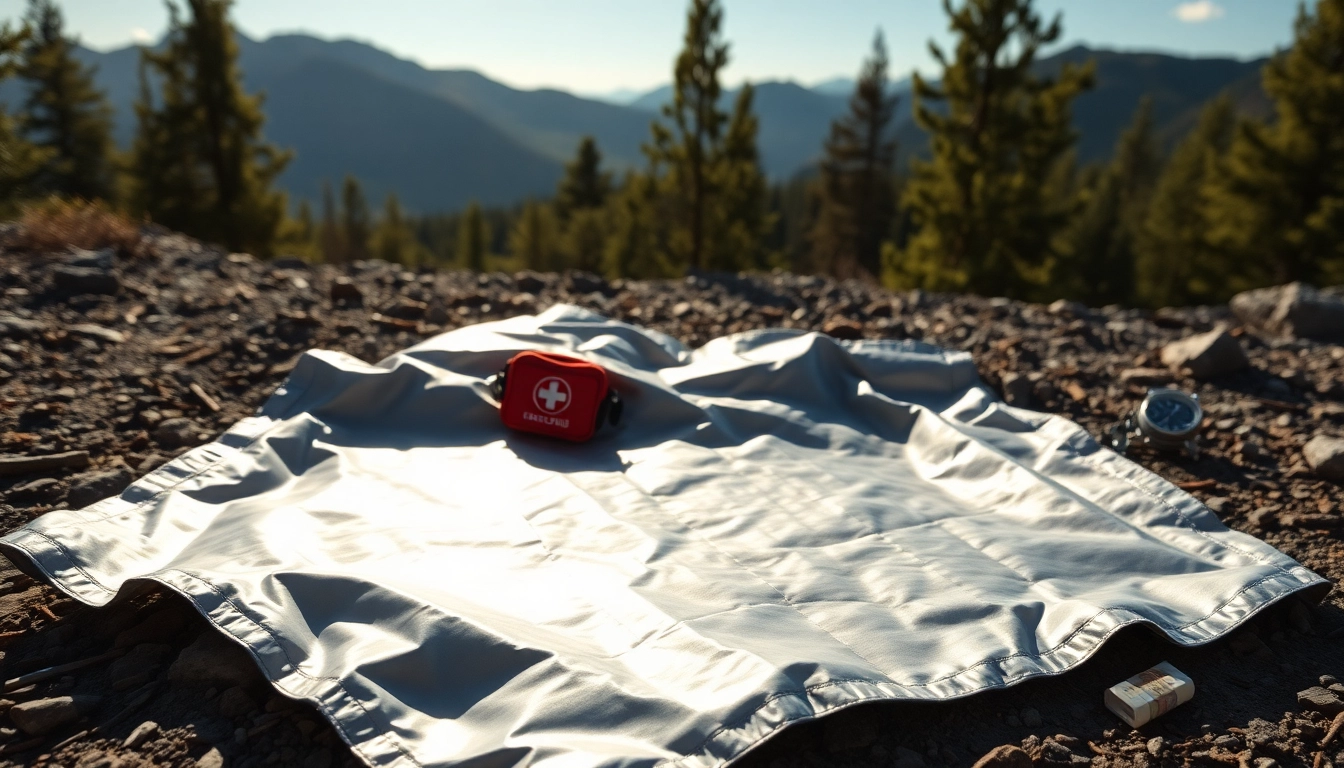
An emergency blanket, often referred to as a space blanket or thermal blanket, is a lightweight, compact, and highly reflective mylar sheet designed primarily to retain body heat in emergency situations. Originally developed by NASA for use in space missions, these blankets are easily folded to a size that can fit in a pocket or backpack, making them an essential item for anyone venturing outdoors or preparing for emergencies. The primary function of an emergency blanket is to provide warmth and insulation, but their versatility has led to a variety of other uses, making them a staple in survival gear. If you're looking to better understand the critical role an emergency blanket plays in preparedness, keep reading.
Key Features and Materials
Emergency blankets are typically made from a thin, non-toxic plastic material called mylar, which has excellent thermal reflection properties. Key features of emergency blankets include:
- Lightweight: Most emergency blankets weigh only a few ounces, making them easily portable.
- Compact: They can be folded or rolled into a small package, making them convenient to store in backpacks or emergency kits.
- Reflective Surface: The shiny metallic surface is designed to reflect up to 90% of body heat back to the user, providing effective insulation against hypothermia.
- Water-Resistant: The mylar material is water-resistant, adding an extra layer of protection against moisture in a survival situation.
- Versatile: Beyond warmth, these blankets can also be used to create shelter, signal for help, or even wrap items for protection.
Common Misconceptions about Emergency Blankets
Despite their usefulness, several misconceptions surround emergency blankets:
- They are only for cold weather: While they are essential for heat retention, emergency blankets can also protect against heat loss in hot conditions by providing a shade or cooling mechanism.
- They are a one-time-use item: While they are often perceived as disposable, many emergency blankets can be reused if handled carefully.
- They are ineffective in extreme conditions: Although they work best in mild climates, with proper usage, they can provide substantial warmth even in harsh conditions.
Benefits of Using an Emergency Blanket
Heat Retention and Insulation
The primary benefit of an emergency blanket lies in its ability to retain body heat. When an individual is exposed to cold conditions, maintaining body temperature is crucial to prevent hypothermia. The reflective surface of the blanket can enclose a person’s warmth while minimizing heat loss to the environment. Studies show that proper heat retention can significantly decrease the onset of hypothermia, potentially saving lives in critical situations.
Lightweight and Compact Design
The lightweight nature of emergency blankets makes them ideal for inclusion in emergency kits, hiking gear, and roadside assistance packs. Their compact design allows them to be folded into a very small size, which is perfect for individuals who need to travel light but still want to be prepared for emergencies. You can easily carry several blankets without adding significant weight to your load.
Versatile Applications Beyond Emergencies
While emergency blankets are indispensable in survival scenarios, their applications extend beyond emergencies. They can be utilized during outdoor activities like camping, hiking, or skiing. They provide a thermal barrier in sleeping bags, offer protection against rain when used as makeshift tarps, and can even serve as a ground cover. Additionally, they can be used in car emergencies as a signaling device for stranded individuals or as a protective layer for equipment and materials.
How to Use an Emergency Blanket Effectively
In Survival Situations
In emergency situations, the effective use of a blanket can significantly impact survival. Key usage tips include:
- Wrap It Around You: Ensure that the entire body is covered, allowing the reflective surface to trap body heat effectively.
- Use It with Other Gear: Combine it with sleeping bags, tents, and other gear to create a warmer micro-environment.
- Build a Shelter: The blanket can be draped over a frame of sticks or cords to create a temporary refuge from wind and rain.
During Outdoor Activities
When engaging in outdoor activities, using an emergency blanket can enhance comfort and safety. For example, when going on a hike, it’s prudent to have an emergency blanket readily accessible. If a hiker gets caught in adverse weather conditions, the blanket can provide immediate warmth and ensure they remain heat-efficient during periods of inactivity.
As Part of Your Emergency Kit
Every emergency preparedness kit should include an emergency blanket. It’s essential to ensure that the blanket is easy to access, ideally placed on top of other items so that it can be deployed quickly if needed. Regularly check the blanket for tears or damage and replace it as necessary.
Choosing the Right Emergency Blanket
Different Types of Emergency Blankets
With the growth in the popularity of emergency preparedness, numerous types of emergency blankets are available on the market. They generally fall into the following categories:
- Thermal Blankets: These are standard mylar blankets designed to retain heat.
- Emergency Sleeping Bags: Some blankets are shaped like sleeping bags, providing better insulation and comfort.
- Waterproof Blankets: Some models come with a waterproof coating, adding durability and protection.
Factors to Consider When Purchasing
When selecting an emergency blanket, consider the following factors:
- Size: Ensure the blanket is large enough for the intended use, such as covering a single person or a group.
- Material Quality: Look for high-quality materials that are tear-resistant and can withstand rough handling.
- Weight: Choose a blanket that strikes a balance between portability and effectiveness.
Comparison of Top Brands
Several brands manufacture emergency blankets, and consumer reviews often help identify the most reliable models. It is advisable to review product features, customer experiences, and price points. Popular brands include Mylar, SOL (Survive Outdoors Longer), and Lifesystems, which offer various options that cater to different needs, preferences, and budgets.
Maintaining and Storing Your Emergency Blanket
Best Practices for Care
Proper care of an emergency blanket can enhance its longevity and performance. Here are some recommended care practices:
- Avoid Excessive Folding: Frequent folding can weaken the material over time. Once unfolded, try to store it flat rather than refolding it into its original shape.
- Check for Damage: Regularly check your blanket for any tears or punctures and retire it if significant damage occurs.
- Clean Carefully: If it requires cleaning, gently wipe it down instead of putting it through a washing machine.
Optimal Storage Solutions
Storing your emergency blanket appropriately will ensure its effectiveness when it's needed. Suggested storage solutions include:
- Cool, Dry Place: Store the blanket in a cool and dry environment, avoiding exposure to direct sunlight, which can degrade the mylar over time.
- Airtight Containers: Use airtight containers to protect the blanket from moisture and dust.
- Include in Emergency Kits: Always keep it in your emergency preparedness kit along with other essential supplies for easy access.
When to Replace Your Emergency Blanket
It’s essential to replace your emergency blanket periodically, especially if it shows signs of wear. Consider replacing it if:
- There are visible tears or holes.
- The reflective surface appears faded or discolored.
- It has been stored improperly for an extended period.
In conclusion, having a reliable emergency blanket can be pivotal in survival scenarios, outdoor adventures, or even in everyday preparedness. By understanding their features, benefits, and correct usage, you can confidently incorporate an emergency blanket into your survival gear.