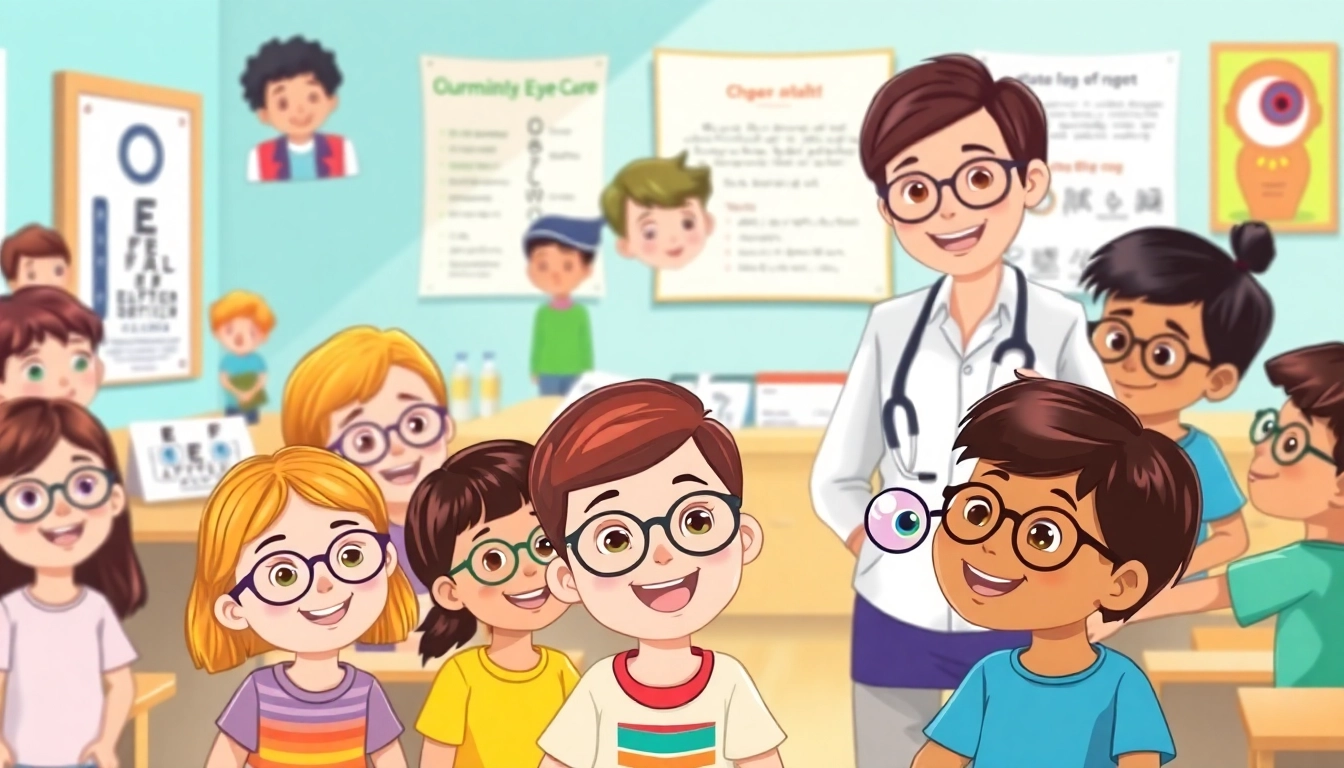
Understanding the Importance of Eye Care for Children
Eye health is a critical component of children's overall well-being, significantly influencing their development and learning capabilities. Given the increasing reliance on digital screens and the changing lifestyles of children, eye care must be prioritized. Ensuring that children have access to proper eye care not only supports their physical health but also equips them for academic success and emotional fulfillment. Initiatives like Our Children's Vision highlight the pressing issue of children's vision health and aim to mobilize resources towards effective, sustainable solutions.
The Role of Eye Health in Child Development
Vision plays a fundamental role during the critical formative years of childhood. The ability to see clearly is vital for engaging with the world and learning from it. Children depend on their sight during various stages of development, from infancy through school years. Proper vision is essential for skills such as reading, writing, and even social interactions. Moreover, eye health significantly affects cognitive development. For example, children with untreated vision problems may struggle in school, leading to frustration and diminished self-esteem. Consequently, eye health is not merely about clarity of vision; it embodies a broader aspect of a child’s developmental progress.
Common Vision Issues Among Children
Several vision issues are prevalent among children, and these can have varying degrees of impact on their lives. Some common conditions include:
- Myopia (Nearsightedness): An increasingly common condition where distant objects appear blurry while close objects can be seen clearly.
- Hyperopia (Farsightedness): Difficulty seeing close objects, which can impact reading and other close-up tasks.
- Astigmatism: A refractive error caused by an irregularly shaped cornea, leading to blurred vision at all distances.
- Strabismus (Crossed Eyes): A condition where the eyes do not properly align, causing miscommunication in visual signals to the brain.
- Amblyopia (Lazy Eye): A visual development disorder that typically occurs in childhood, leading to reduced vision in one eye.
Prompt identification and management of these conditions are critical to mitigate their influence on children's daily activities and future opportunities.
Impact of Undetected Eye Problems on Learning
The repercussions of undiagnosed or untreated vision issues can severely hinder learning. Studies have shown that children with unaddressed vision problems can perform poorly academically compared to their peers with healthy eyesight. Vision problems can manifest as difficulties in reading, reduced concentration, and increased behavioral issues. Children may struggle to follow along in class or complete homework effectively, leading to a cycle of low achievement and disengagement. Raising awareness about the significance of early vision screenings can help combat these challenges, promoting preventive measures and timely interventions.
Our Children's Vision: A Comprehensive Overview
Mission and Goals of Our Children's Vision
The essence of Our Children's Vision resides in its mission to mitigate the global crisis of unaddressed visual impairment among children. With the goal of ensuring equitable access to essential eye care services, the initiative seeks to mobilize resources and partnerships. Their objectives include increasing awareness around childhood eye health, advocating for policy reforms, and providing necessary eye health services. It aims to create a world where every child has access to the vision care they deserve, fostering healthier future generations.
Global Impact and Achievements
Since its inception, Our Children's Vision has made significant strides in implementing eye health initiatives on a global scale. Through partnerships with various organizations, community stakeholders, and health care providers, the initiative has successfully reached millions of children across multiple countries. It has facilitated vision screenings, funded eye health education programs, and significantly increased the accessibility of corrective eyewear. The positive outcomes of these efforts are evident: millions of children are now equipped with the vision care they need to thrive both academically and socially.
Partnerships and Collaborations
A critical aspect of the success of Our Children's Vision is its collaborative approach. The initiative forges alliances with health organizations, governments, educational institutions, and non-governmental organizations (NGOs) to create a comprehensive network of support for children's eye health. This collaborative strategy allows for resource sharing, knowledge exchange, and collective action, ensuring that communities can effectively address their unique eye health challenges. By working together, these partnerships are capable of influencing policy changes that benefit children's vision care on a broader scale.
Best Practices for Promoting Eye Health in Children
Regular Vision Screenings and Exams
Regular vision screenings are a cornerstone of preventive eye health care. Following a systematic approach to vision assessments, parents and caregivers should ensure that children receive eye examinations at critical developmental milestones. Guidelines suggest that children have their first eye exam at six months, again at three years, and before they enter the first grade. These early evaluations can help identify potential issues that might hinder development and allow for timely referrals to specialists as needed.
Importance of Educational Programs in Schools
Integrating eye health education into school curricula can effectively raise awareness among students, parents, and teachers about the importance of vision care. Schools can implement programs that provide age-appropriate information about common vision issues, good eye care practices, and the significance of regular eye examinations. Such initiatives equip children with the knowledge they need to advocate for their own eye health and foster a culture of proactive care.
Advocating for Access to Eye Care Services
Advocacy is crucial for ensuring that children can access necessary eye care services. This involves lobbying for policy changes that increase coverage for eye exams, corrective lenses, and necessary treatments. Community awareness campaigns can mobilize support from local leaders and stakeholders and encourage them to prioritize children's eye health in public health agendas. Mobile clinics and outreach programs can also serve underserved areas, bringing vital care directly to children in need.
Innovative Strategies to Enhance Children's Vision
Using Technology to Monitor Eye Health
Technology has the potential to transform eye care for children drastically. Cutting-edge tools, such as tele-optometry, facilitate remote eye examinations and consultations, expanding the reach of eye care services. Additionally, apps designed to train children in eye exercises and vision-related games can encourage playful engagement with eye health. These innovations not only improve accessibility but also make eye health a fun and integral part of children's daily routines.
Community Engagement and Awareness Campaigns
Community involvement is vital for the success of any eye health initiative. Engaging community leaders, local businesses, and families in awareness campaigns can foster a supportive environment for children's vision care. Workshops, health fairs, and information sessions can educate the community about the signs of vision difficulties in children, emphasizing the importance of early detection and intervention. Community advocates can help sustain momentum, reinforcing the message that investing in children's eye health is a pathway to healthier futures.
Incorporating Eye Health into Daily Activities
Daily habits play a vital role in maintaining good eye health. Incorporating eye protection practices into everyday life, such as wearing sunglasses when outdoors and limiting screen time, are essential steps towards preserving vision. Encouraging outdoor activities among children can also have a protective effect against myopia development. Parents and caregivers can model good practices by practicing regular eye check-ups, discussing eye safety, and promoting balanced lifestyles that include ample physical activity.
Measuring Success: The Future of Our Children's Vision
Evaluating Outcomes of Eye Care Initiatives
To gauge the effectiveness of eye care initiatives, it is essential to establish clear metrics and evaluation frameworks. Tracking data over time, such as the number of children receiving eye exams, the types of diagnoses made, and the outcomes following treatment, provides vital insights into resource allocation and program efficacy. Regular evaluation allows organizations to refine their approaches, ensuring that they meet the evolving needs of children and communities.
Feedback from Families and Communities
Feedback from families and communities is invaluable in shaping future initiatives aimed at improving children's eye health. Engaging parents and caregivers in discussions about their children's experiences with eye health services can identify barriers and successes. This information can feed back into program development, allowing for customization that better reflects community needs and preferences.
Future Directions for Continued Impact
As we advance, the goal remains clear: to ensure that every child has access to the eye care they need to thrive. Continuous research into effective interventions, the integration of emerging technologies, and sustained community engagement will play pivotal roles in the future of children's vision health. By focusing on innovation, advocacy, and collaboration, we can create lasting change that protects and enhances the gift of sight for children around the world.