Understanding Ceramic Window Tint
Ceramic window tint is rapidly gaining popularity among vehicle owners who seek both aesthetics and functionality. Unlike traditional window films, ceramic tint is formulated using advanced materials that provide superior heat rejection and UV protection. As vehicle technology and consumer preferences evolve, understanding ceramic window tint becomes crucial for those considering an upgrade. This article explores the definition, benefits, installation processes, maintenance, legal aspects, and cost considerations of ceramic window tint, providing readers with the knowledge needed to make informed decisions. Read on to discover how ceramic window tint can enhance your vehicle's comfort and appearance.
What is Ceramic Window Tint?
Ceramic window tint refers to a high-performance window film made from nano-ceramic particles that are non-metallic and non-conductive. This unique composition allows for enhanced clarity and performance without interfering with electronic devices, such as GPS and mobile signals. Unlike dyed or metallic tints that may fade over time, ceramic tint retains its color and effectiveness longer, offering superior durability and providing a sleek look to your vehicle’s windows.
Key Benefits of Ceramic Window Tint
The advantages of choosing ceramic window tint over traditional tints are numerous. Here are some key benefits:
- UV Protection: Ceramic window tint blocks up to 99% of harmful ultraviolet rays, helping to protect your skin and the interior of your vehicle from fading.
- Heat Rejection: With its exceptional ability to reject heat, ceramic tint can lower your vehicle's interior temperature, leading to increased comfort and reducing the need for air conditioning.
- Glare Reduction: By significantly reducing glare from sunlight and headlights, ceramic tint enhances visibility for drivers and passengers.
- Enhanced Privacy: Ceramic tint provides a level of privacy without completely obstructing visibility, allowing you to maintain a comfortable atmosphere inside your vehicle.
- Durability: The reinforced structure of ceramic film makes it more resistant to scratches, ensuring a longer lifespan compared to traditional films.
How Ceramic Window Tint Differs from Traditional Tints
Understanding the differences between ceramic and traditional window tints is essential for make an informed decision. Here’s how they stack up:
FeatureCeramic Window TintTraditional Window TintMaterial CompositionNon-metallic, nano-ceramic particlesDyed or metallic materialsUV ProtectionUp to 99% UV absorptionVaries by product, less effectiveHeat RejectionSuperior heat rejectionModerate heat rejectionSignal InterferenceNonePossibly interferes with signalsDurabilityHighly durable and long-lastingMore prone to fading and scratching
The Installation Process of Ceramic Window Tint
Preparing Your Vehicle for Tinting
Before installing ceramic window tint, it's vital to prepare your vehicle properly. Begin by cleaning the windows thoroughly to remove dirt, grime, and oils that could affect adhesion. Consider performing the following steps:
- Remove any window treatments such as shades or visors.
- Ensure the vehicle is in a shaded or indoor environment to prevent dust and debris exposure.
- Inspect for any scratches or imperfections on the glass that need repair.
Steps Involved in Installing Ceramic Window Tint
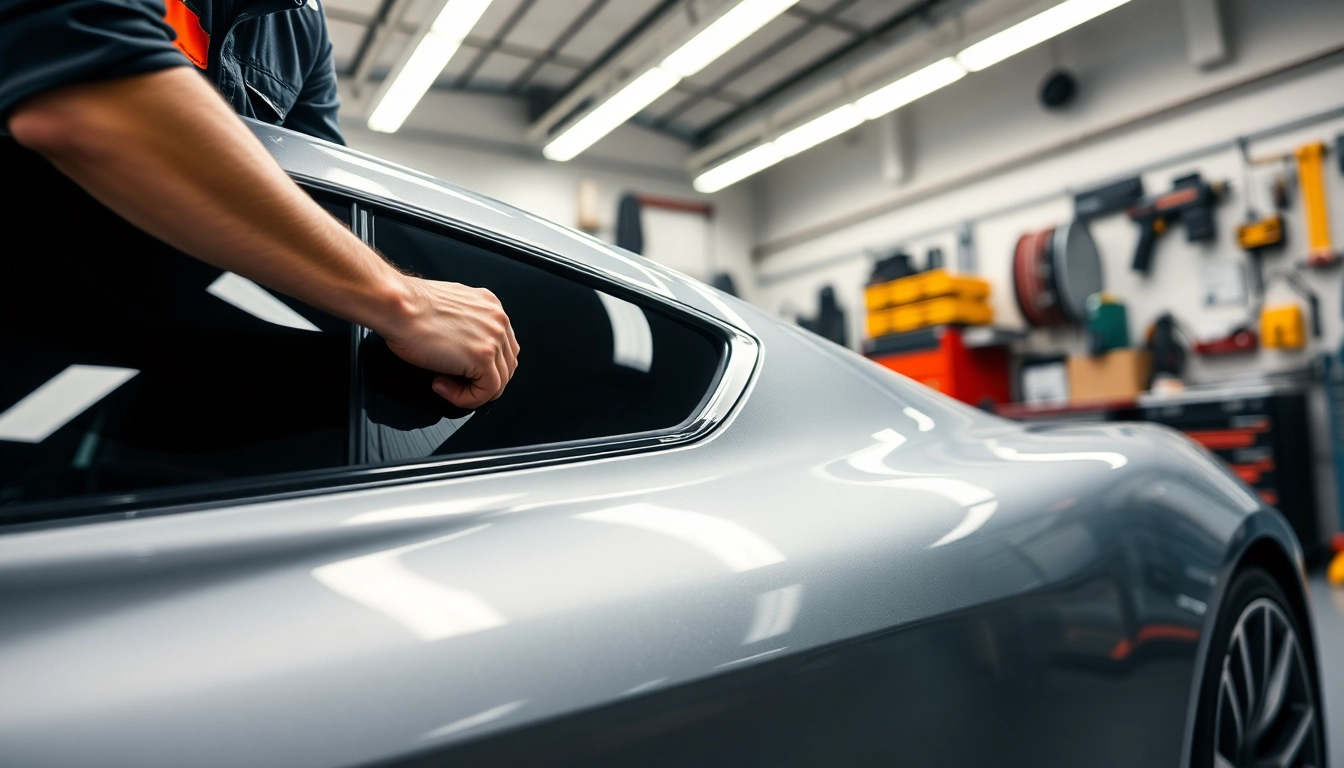
The installation of ceramic window tint can generally be broken down into the following steps:
- Measuring: The technician measures the windows to determine how much tint material is needed.
- Cutting: Precise cuts are made to allow for an exact fit on the vehicle's windows.
- Application: The ceramic tint film is carefully applied to the window using a special adhesive.
- Squeegeeing: The technician uses a squeegee to remove air bubbles and ensure a smooth finish.
- Curing: Allow time for the adhesive to cure properly, which could take a few days depending on conditions.
Common Mistakes to Avoid During Installation
To achieve the best results when installing ceramic window tint, watch out for these common mistakes:
- Poor Surface Preparation: Skipping the cleaning step can lead to air bubbles.
- Incorrect Measurements: Inaccurate cutting can result in improper fit and appearance.
- Using Low-Quality Film: Opting for cheaper options may reduce long-term effectiveness.
- No Professional Help: DIY installation often leads to subpar results.
Maintaining Your Ceramic Window Tint
Proper Care for Longevity
Once installed, proper maintenance is essential to ensure longevity. Here are some best practices for maintaining your ceramic window tint:
- Avoid rolling down the windows for at least a week after installation to ensure the adhesive sets properly.
- Keep the windows clean using non-ammonia-based cleaning solutions to prevent degrading the film.
- Refrain from using abrasive tools like steel wool that could scratch the film.
Cleaning Tips for Ceramic Window Tint
Regular cleaning can help keep your ceramic window tint looking new. Consider the following cleaning tips:
- Use a soft microfiber cloth for cleaning to avoid scratching.
- Wipe with gentle circular motions instead of scrubbing to reduce streaks.
- For tougher stains, a mixture of water and baby shampoo can effectively clean without damaging the tint.
Signs Your Tint Needs Replacement
Recognizing when your ceramic window tint needs replacement is crucial for maintaining aesthetics and benefits. Keep an eye out for:
- Bubbles forming underneath the film, indicating adhesive failure.
- Fading or discoloration of the tint, which may compromise its protective qualities.
- Peeling at the edges of the tint, suggesting it's becoming detached from the glass.
Understanding Legal Aspects of Window Tinting
State Regulations for Window Tinting
Window tint laws vary widely by state, regulating factors such as tint darkness and reflectivity. Familiarizing yourself with local laws is crucial before proceeding with installation. Each state has specific requirements for the percentage of visible light that must be able to pass through tinted windows.
Legal Limits on Tint Darkness
Legal limits on tint darkness refer to the percentage of visible light transmission (VLT) that is allowed. For instance, some states permit as little as 5% VLT on rear windows but require front windows to have a higher percentage. Always ensure compliance with your state’s regulations to avoid fines.
Consequences of Non-Compliance with Tint Laws
Failing to adhere to window tint laws can lead to various consequences, including fines, having to remove the tint, or even facing vehicle inspections. It's essential to stay informed about the requirements to avoid these complications.
Cost Considerations for Ceramic Window Tint
Factors Influencing Ceramic Window Tint Pricing
Several factors can affect the cost of ceramic window tinting, including:
- Type of Vehicle: Larger vehicles require more materials, influencing overall cost.
- Quality of Film: Higher-quality ceramic films typically come with a higher price tag.
- Professional Installation: Hiring experienced professionals, while more expensive, ensures quality installation.
Comparing Cost vs. Value of Ceramic Window Tint
While ceramic window tint may cost more upfront compared to traditional options, the long-term benefits often outweigh the initial investment. Enhanced UV protection, heat rejection, and durability contribute to increased comfort and vehicle preservation.
Budgeting for Your Tinting Project
When budgeting for ceramic window tint, factor in all associated costs, including materials and professional installation. It's advisable to get quotes from multiple service providers while ensuring they use high-quality materials and expertise in installation.
FAQs About Ceramic Window Tint
1. How long does ceramic window tint last?
Ceramic window tint typically lasts between 10 to 12 years, depending on the quality of the film and care taken after installation.
2. Does ceramic window tint block heat?
Yes, ceramic window tint is designed to significantly reduce heat inside the vehicle, enhancing comfort during warm weather.
3. Can I install ceramic window tint myself?
While DIY installation is possible, it is recommended to hire professionals to ensure a precise and bubble-free application.
4. Will ceramic window tint fade over time?
Ceramic window tint is more resistant to fading than traditional tints, making it a long-lasting choice for window films.
5. Is ceramic window tint illegal?
Ceramic window tint can be legal, but it must comply with your state’s specific tinting regulations regarding darkness and reflectivity.