Understanding Golf Cart Brakes
Golf cart brakes are an essential component of your vehicle's safety and functionality. Understanding the various types of brakes, how the brake systems operate, and recognizing common brake issues can significantly enhance your golf cart experience. This knowledge empowers you with the tools needed to maintain your cart effectively, secure safety, and improve performance. Whether you are a casual golfer or use your cart for daily errands, being well-versed in Golf cart brakes is vital.
Types of Golf Cart Brakes
Golf carts typically use two main types of brake systems: mechanical and electric brakes. Understanding these types will help you determine what suits your needs best.
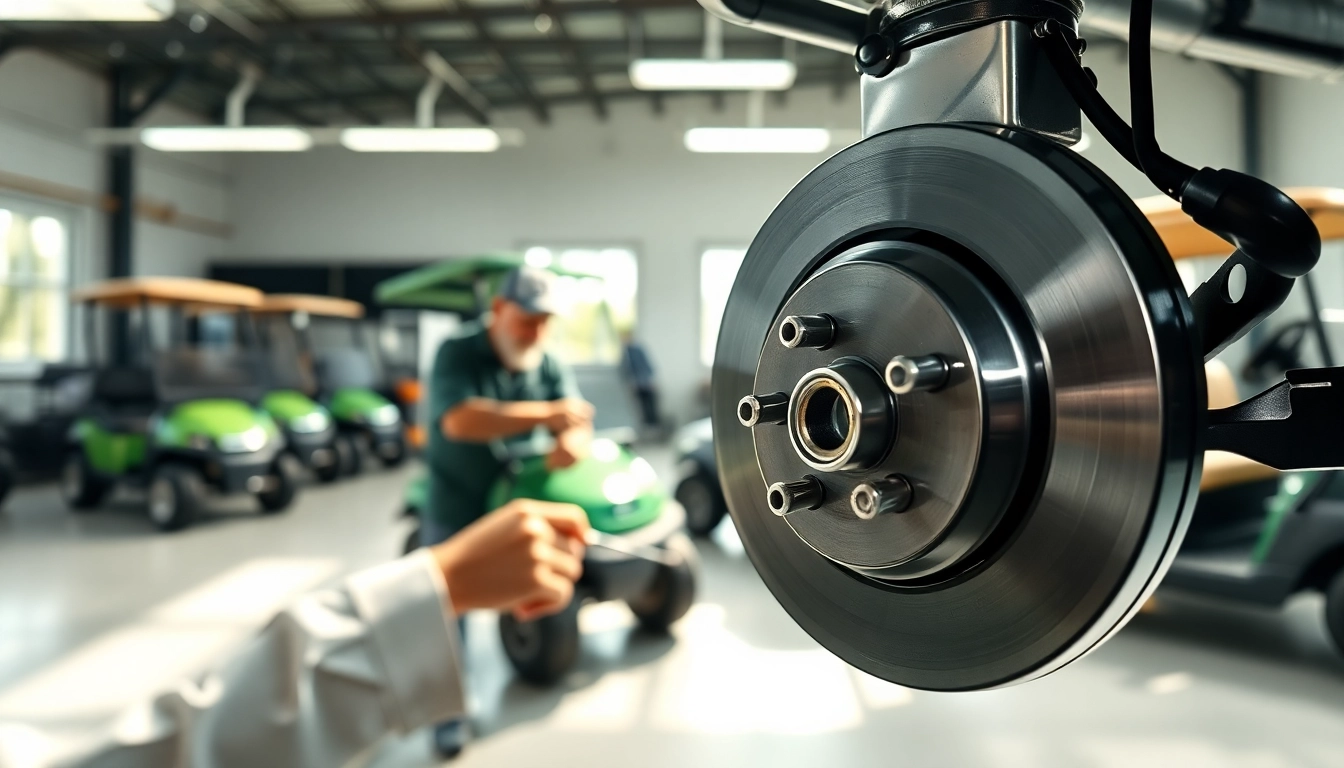
- Mechanical Brakes: Commonly found in gas-powered carts, mechanical brakes use a drum and shoe setup to create friction against the drum, slowing the vehicle down. These are simple and effective but may require more frequent maintenance.
- Electric Brakes: These are usually found in electric carts and often utilize regenerative braking systems. This system not only slows the cart but also channels energy back into the battery, improving efficiency and extending battery life.
How Brake Systems Work
The operation of golf cart brakes can vary depending on the system type. Here's a brief explanation of each:
- Mechanical System: When the driver presses the brake pedal, it activates a cable that pulls the brake shoes against the drum, generating friction that slows down the cart.
- Electric System: In electric carts, pressing the brake pedal sends an electrical signal to the braking mechanism, which can activate both the mechanical brakes and the regenerative braking to slow the cart. This system is usually quieter and requires less physical maintenance.
Common Brake Issues
Understanding potential issues that can arise within your golf cart's braking system can help you identify problems early and avoid accidents:
- Squeaking or Grinding Noise: This can indicate worn brake pads or shoes, which need to be replaced to ensure safe operation.
- Soft or Spongy Brake Pedal: Often a sign of air in the brake lines or low brake fluid in mechanical systems that can severely diminish braking capacity.
- Pulling to One Side: This suggests uneven wear on brake components or misalignment, requiring an inspection.
- Dash Warning Lights: In electric models, dashboard indicators can signal issues with the braking system that need immediate attention.
Importance of Regular Maintenance
Regular maintenance of your golf cart brakes is vital to ensure safe operation and prevent costly repairs. By investing time in upkeep, you can significantly extend the lifespan of your braking system and improve overall performance.
Signs You Need Brake Service
Be attentive to several warning signs indicating your brakes may require professional services:
- If you notice any unusual noises when braking, it’s time to inspect.
- Experiencing a decrease in your cart's stopping power can point to worn or malfunctioning components.
- Brake fluid leakage around the wheels or lines is a serious issue and necessitates immediate attention.
- Feelings of resistance or sticking when pressing the brake pedal may indicate issues with brake calipers or cables.
Benefits of Routine Inspections
Conducting routine inspections on your golf cart brakes is beneficial in numerous ways:
- Increased Safety: Reliable brakes reduce the risk of accidents and injuries.
- Cost-Effectiveness: Addressing minor issues prevents them from escalating into expensive repairs.
- Improved Performance: Well-maintained brakes contribute to overall better handling and ride quality.
Cost Implications of Neglect
Neglecting brake maintenance can lead to several financial burdens:
- The cost of frequent repairs can increase steeply due to deferred maintenance.
- Higher costs may arise from potential accidents caused by brake failures, including damages and even legal consequences.
- Extended neglect can lead to a total brake system overhaul, costing significantly more than routine service.
Choosing Quality Golf Cart Brake Products
Selecting high-quality brake products is essential for optimal performance and safety. Recognizing reputable brands and understanding specifications can assist in making informed purchases.
Comparing Brake Brands
When evaluating brake brands, consider the following:
- Reliability: Look for brands that are known for their durability and long-lasting performance.
- Customer Reviews: Seek feedback from other users; real-world experiences often highlight the strengths and weaknesses of products.
- Warranty and Support: Good brands should provide warranties on their products, facilitating peace of mind in case of defects.
Understanding Warranty and Service Guarantees
Warranties can be a crucial factor when selecting brake products:
- Standard Coverage: Most quality brands offer several months to years of warranty coverage for defect-free operation.
- Customer Support: Choose brands with robust customer service to assist with any claims or questions that may arise.
Installing Aftermarket Brakes vs OEM
When considering whether to use OEM (Original Equipment Manufacturer) brakes or aftermarket options, weigh the pros and cons:
- OEM Brakes: They often guarantee compatibility since they are made specifically for your cart model but can be pricier.
- Aftermarket Brakes: Generally more affordable and available in various performance levels. However, ensure they meet safety regulations and compatibility standards.
How to Maintain Your Golf Cart Brakes
Proper maintenance can drastically extend the life of your golf cart brakes. Here’s how to keep them in optimal condition:
Simple Maintenance Tips
Following these straightforward maintenance tips can prevent issues:
- Regular Inspections: Conduct frequent checks for wear and fluid levels.
- Clean the Brake Components: Dust and debris can accumulate, which can impact performance—clean regularly.
- Adjust Brake Mechanisms: Ensure that cables and linkages are correctly adjusted to promote effectiveness.
Tools Required for Brake Maintenance
Having the right tools on hand can make maintenance procedures easier:
- Wrenches and Sockets: Essential for removing and tightening various components.
- Brake Cleaner: Helps to clear away dust and grime.
- Brake Fluid: Regularly check and replace old fluid to ensure optimal braking performance.
DIY vs Professional Service
Weighing the decision between DIY maintenance versus hiring a professional is critical:
- DIY Maintenance: If you have basic automotive skills, minor adjustments and inspections can be done at home.
- Professional Services: For major repairs or installations, relying on a qualified technician is recommended to ensure safety and accuracy.
FAQs About Golf Cart Brakes
How often should I check my golf cart brakes?
You should check your golf cart brakes at least every six months or before peak seasons to ensure safety.
What are the signs of worn golf cart brakes?
Squeaking noises, decreased responsiveness, or a soft brake pedal are key indicators of worn brakes that need checking.
Can I replace golf cart brakes myself?
Yes, if you have experience and the correct tools, but it's recommended to consult a professional for safety and reliability.
What is the average lifespan of golf cart brakes?
Typically, golf cart brakes can last about 3-5 years, depending on the frequency of use and maintenance carried out regularly.
Are electric golf cart brakes different from gas?
Yes, electric golf carts often feature regenerative brakes that reduce wear compared to traditional gas models, enhancing efficiency.