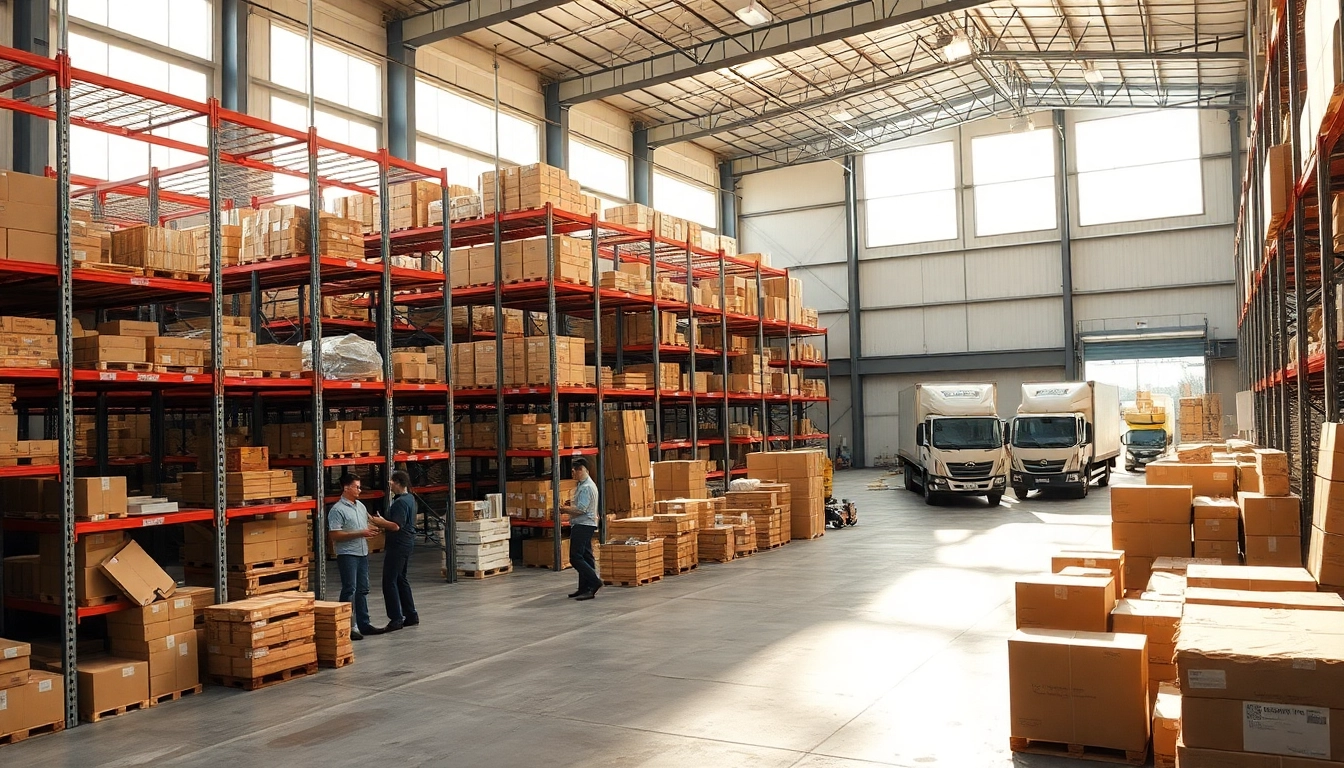
Understanding Warehouse Types and Functions
Different Types of Warehouses
Warehouses come in various shapes and sizes, catering to diverse requirements in the logistics and supply chain sector. Broadly classified, warehouses can be categorized into public, private, and semi-private types.
- Public Warehouses: These are operated as independent business entities offering storage space and services to multiple clients. They provide flexibility for businesses that do not wish to commit long-term to a space.
- Private Warehouses: Owned and operated by companies for their own distribution needs, private warehouses provide complete control over inventory management and are often tailored to specific operations.
- Automated Warehouses: Featuring advanced technologies such as automated storage and retrieval systems (AS/RS), these facilities enhance efficiency and reduce labor costs.
- Distribution Centers: Focused on rapid movement of goods, distribution centers usually operate as advanced logistics facilities that house inventory ready for immediate dispatch.
- Cold Storage Warehouses: Essential for businesses dealing with perishable goods, cold storage facilities maintain specific temperatures to ensure product freshness.
Key Functions of Warehouses
Warehouses serve multiple functions critical to efficient supply chain management. Each function plays a role in the larger logistics ecosystem, ensuring that goods flow smoothly from point A to point B.
- Storage: The primary function of any warehouse is to store goods securely until they are needed.
- Inventory Management: Effective warehouses include systems to track and manage inventory levels, minimizing excess and shortages.
- Order Fulfillment: Warehouses play a vital role in picking, packing, and shipping customer orders accurately and efficiently.
- Cross-Docking: This practice allows for the direct transfer of goods from inbound to outbound transportation, reducing storage time.
- Value-Added Services: Many warehouses offer additional services such as labeling, packaging, or kitting, enhancing the overall value they provide to customers.
Role of Warehouses in Supply Chain Management
In the complex framework of supply chain management, warehouses serve as crucial nodes that facilitate the flow of goods. Their strategic locations can significantly reduce transportation costs and improve delivery times.
Warehouses ensure that products are available closer to end-users, allowing for faster response times to market demands. Moreover, by maintaining optimal stock levels, warehouses help mitigate risks associated with supply chain disruptions, such as fluctuating demand or transportation delays.
Factors to Consider When Searching for a Warehouse Near Me
Location and Accessibility
When searching for a warehouse near me, the location is perhaps the most critical consideration. A strategically located warehouse can drastically enhance distribution efficiency.
Proximity to major transportation hubs, such as highways, ports, and airports, can facilitate quicker logistics. Easy access to a skilled labor pool is also essential, as it can affect operational efficiency and costs.
Size and Layout Requirements
The size of a warehouse should align with your business's storage needs and future growth plans. Factors that influence size include:
- The volume of goods that need to be stored.
- The need for specialized storage areas, such as climate-controlled zones.
- Space required for loading docks and transportation vehicles.
A well-designed layout should optimize workflow and enhance productivity, considering factors like shelving systems, aisles, and workstations.
Cost and Leasing Options
Understanding the cost structure associated with warehouse facilities is vital. Leasing costs can vary widely based on factors like location, amenities, and contract length. When evaluating costs, consider:
- Fixed vs. Variable Costs: Assess which costs are fixed (e.g., base rent) and which can vary (e.g., utilities).
- Lease Terms: Different lease agreements may offer flexibility; month-to-month arrangements, long-term contracts, and renewal options each have unique pros and cons.
- Hidden Costs: Be wary of additional costs such as maintenance, insurance, and utilities that might not be included in the lease.
Essential Services Offered by Warehouses
Inventory Management Solutions
Modern warehouses often incorporate advanced inventory management systems to enhance operational efficiency. These systems track stock levels in real-time, helping businesses maintain balanced inventories while identifying restocking needs.
Utilizing data analytics and automation tools enables better forecasting and reduces the risk of stockouts or overstock scenarios, ultimately driving cost savings and customer satisfaction.
Transportation and Shipping Services
Many warehouses provide integrated transportation and shipping services to streamline the logistics process. These services may include:
- Freight Forwarding: Facilitating the organization and handling of shipments, including necessary customs documentation.
- Last-Mile Delivery: Ensuring goods reach their final destination promptly and efficiently.
- Distribution Management: Coordinating between various carriers to optimize shipping routes and reduce costs.
Security Features and Options
Security is paramount in warehousing. Facilities must safeguard both the inventory and operational integrity. Key security features include:
- Video Surveillance: Continuous monitoring of the premises reduces the risk of theft and ensures safety.
- Access Control Systems: Restricting entry to authorized personnel mitigates potential risks associated with unauthorized access.
- Fire Safety Measures: Implementing fire alarms, sprinkler systems, and conducting regular safety drills helps protect stored goods and personnel.
How to Evaluate a Warehouse Facility Effectively
Inspection Checklist for Warehouses
Evaluating a warehouse facility requires a comprehensive approach, focusing on various aspects integral to operational efficiency. An inspection checklist may include:
- Site layout and accessibility
- Condition of storage facilities
- Compliance with safety regulations
- Functionality of equipment and technology
- Overall cleanliness and organization
Assessing Operational Efficiency
Operational efficiency can be assessed through metrics such as order fulfillment rates, inventory turnover ratios, and rate of returns. Evaluating these metrics can provide insights into the warehouse's capabilities.
Furthermore, examining workflows, turnaround times, and employee productivity can help identify areas for improvement, ultimately leading to increased efficiency and reduced costs.
Reading Customer Reviews and Testimonials
Customer feedback can offer valuable insights into a warehouse's reliability and service quality. When evaluating a facility, consider:
- The volume and pattern of reviews—are most reviews positive or negative?
- Common praises or complaints—do specific issues arise frequently?
- Response of management to feedback—do they take customer issues seriously and provide solutions?
Maximizing Efficiency in Your Chosen Warehouse
Implementing Effective Inventory Systems
Establishing effective inventory management systems is fundamental to maximizing warehouse efficiency. Techniques such as Just-In-Time (JIT) inventory management can minimize holding costs while ensuring product availability.
Technology, like barcode scanners and RFID tracking, can enhance accuracy and reduce human error. Integrating these systems ensures real-time data access, translating to better decision-making ability.
Automation Technologies in Warehouse Operations
The adoption of automation technologies can significantly enhance warehouse operations. Automated solutions such as robotic picking systems and conveyor belts help reduce labor costs, streamline processes, and minimize errors.
Moreover, employing artificial intelligence and machine learning can optimize logistics processes by analyzing large data sets, which can predict demand and adjust operations accordingly.
Best Practices for Warehousing Logistics
To ensure smooth operations within a warehouse, adhering to industry best practices is essential. These include:
- Regular Staff Training: Ensuring staff are trained in the latest operational protocols promotes efficiency and safety.
- Use of Technology: Embracing technological advancements fosters better inventory management and operational efficiency.
- Consistent Communication: Maintaining clear communication across all levels prevents misunderstandings and fosters teamwork.
- Continuous Improvement: Regular reviews of workflows and practices can uncover efficiencies and innovative changes that further optimize logistics.