Understanding Rope Bridges: Construction and Design
The concept of a rope bridge has fascinated builders and adventurers alike for centuries. These unique structures, often characterised by their minimalist design and innovative use of materials, serve a variety of purposes, from providing access across challenging terrains to enhancing the aesthetic appeal of outdoor spaces. Whether used in playgrounds, adventure parks, or as part of a nature trail, Rope Bridge construction involves understanding both the engineering principles and the creative aspects of design.
What is a Rope Bridge?
A rope bridge, also known as a suspension bridge, is a type of bridge where the deck (walking surface) is suspended from cables or ropes. The structure primarily consists of two anchor points and the bridge deck, which is supported by ropes tied to these anchors. Historically, rope bridges were crafted using natural materials such as vines or saplings, but modern versions often utilise synthetic ropes for greater strength and durability.
Types of Rope Bridges and Their Uses
There are several types of rope bridges, each suited to different applications:
- Suspension Rope Bridges: These bridges have cables hung between high points and are ideal for spanning larger distances.
- Monkey Bridges: A traditional Vietnamese design where a simple plank is suspended between two points, typically used in rural areas for crossing rivers.
- Commando Bridges: Used in military training exercises, these are designed for rapid assembly and disassembly, allowing troops to cross obstacles quickly.
- Adventure Park Bridges: Designed for recreational purposes, these bridges enhance zip lines and climbing walls, providing excitement in outdoor settings.
Materials Best Suited for Building Rope Bridges
Choosing the right materials is crucial for the durability and safety of rope bridges. Some commonly used materials include:
- Polyester Rope: Known for its high strength and resistance to weather, making it suitable for outdoor structures.
- Nylon Rope: Offers excellent elasticity, which can absorb shocks, but is less UV resistant.
- Wooden Planks: Often used for the walking surface; they should be treated to prevent rot.
- Metal Hardware: Carabiners, pulleys, and other connecting elements need to be made from corrosion-resistant materials.
Planning Your Rope Bridge Project
Successful implementation of a rope bridge requires careful planning. This ensures that the bridge is not only functional but also safe for use. Factors such as site selection, design considerations, and legal requirements must be thoroughly evaluated.
Site Selection for Your Rope Bridge
Choosing the right location for a rope bridge is vital. Look for a site that:
- Offers stable anchor points, such as strong trees or rock formations.
- Provides a clear span free from obstacles like power lines or dense vegetation.
- Has a suitable elevation to ensure the bridge is not too low to the ground.
Design Considerations for Safety and Stability
When designing your rope bridge, consider the following:
- Load Capacity: Estimate the maximum weight the bridge will carry, including users and additional loads.
- Safety Features: Include railings and non-slip surfaces to enhance user safety.
- Aesthetics: Design the bridge to blend harmoniously with its environment.
Permits and Legal Requirements for Outdoor Structures
Before construction, check local regulations regarding outdoor structures. You may need to file for permits that ensure compliance with safety and environmental standards.
Building Your Rope Bridge: Step-by-Step Guide
Once planning is complete, you can begin the construction of your rope bridge. This section provides a detailed guide to the building process, ensuring that all safety measures are in place.
Gathering the Right Tools and Equipment
Before starting your project, ensure you have the following tools:
- Drills and saws for cutting and fastening materials.
- Measuring tape and level for precision.
- Safety gear including helmets and harnesses.
- Climbing gear for securely installing the bridge.
Step-by-Step Construction Process
Follow these steps to construct your rope bridge:
- Establish Anchor Points: Securely fasten ropes or cables to the chosen anchor points.
- Construct the Deck: Lay out wooden planks or another surface to form the walking path.
- Install Safety Features: Attach railings and ensure all fasteners are secure.
- Final Inspections: Check the stability and safety of the bridge before use.
Safety Checks and Maintenance of Your Rope Bridge
Regular maintenance is essential for keeping your rope bridge safe and functional. Conduct checks for wear and tear on ropes and hardware, and ensure that all components remain securely fastened.
Incorporating Rope Bridges into Outdoor Activities
Rope bridges can significantly enhance outdoor experiences, making activities more engaging and adventurous. Here are some ways to incorporate them:
Rope Bridges in Adventure Parks
Many adventure parks have started including rope bridges as part of their obstacle courses. These bridges can challenge visitors while also providing a unique experience in nature.
Educational Uses of Rope Bridges for Teamwork and Skills Development
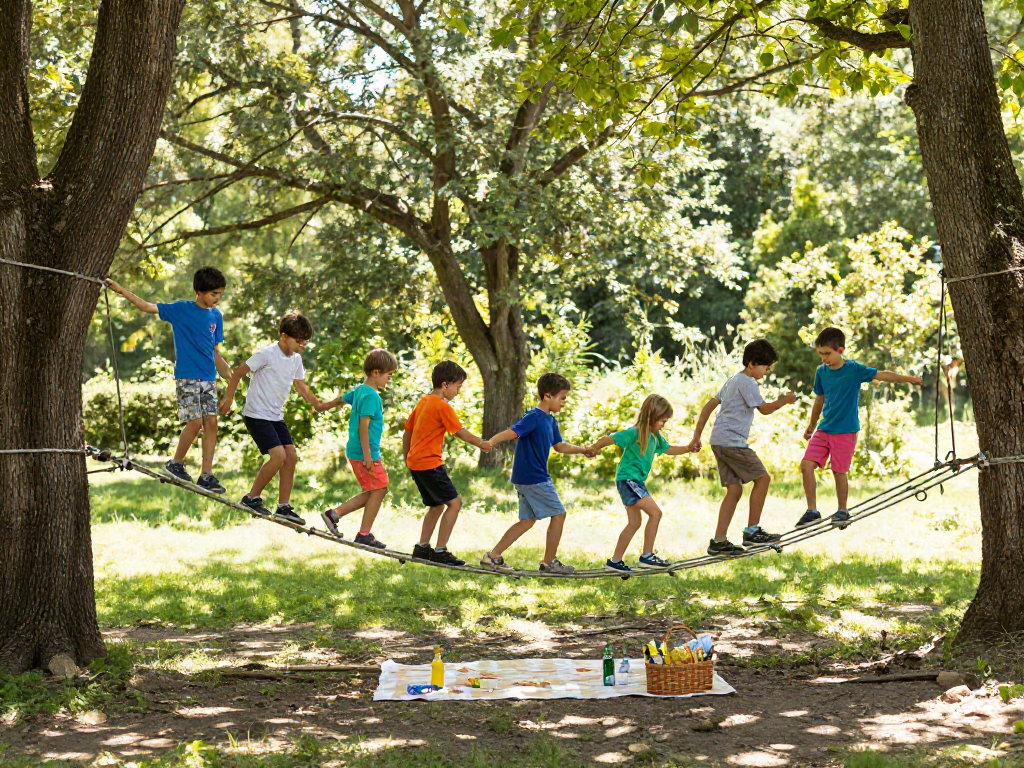
Rope bridges can be utilised in educational settings, especially in team-building exercises. They encourage communication and cooperation among participants, helping them develop valuable skills.
Hosting Events and Activities Featuring Rope Bridges
Consider hosting events that feature rope bridges, such as obstacle courses or community challenges. These events draw participants of all ages and can foster a sense of community.
Future Trends in Outdoor Adventure Structures by 2026
As outdoor activities continue to evolve, so too do the structures that support them. Here are some trends to watch for in the coming years:
Innovative Materials and Sustainable Practices
The construction industry is leaning towards sustainability, which includes using recycled and environmentally friendly materials in building structures like rope bridges.
The Growing Popularity of Rope Bridges in Urban Spaces
More cities are integrating adventure elements into public spaces, including rope bridges that add both functionality and aesthetic appeal to parks and urban environments.
Predictions for Adventure Tourism Involvement
As adventure tourism grows, expect to see an increase in demand for rope bridges in scenic locations, providing thrilling experiences against breathtaking backdrops.
What is a rope bridge called?
Rope bridges are commonly referred to as suspension bridges, especially when the deck is supported entirely by ropes or cables without the use of towers or piers.
How do you make a rope bridge?
To build a rope bridge, one must establish secure anchor points, create a stable deck, and ensure proper safety features are in place before use.
What type of rope is best for a rope bridge?
For rope bridges, polyester ropes are recommended due to their strength, resistance to moisture, and durability in outdoor conditions.
Are rope bridges safe for kids?
When constructed properly, rope bridges can be safe for children. However, safety measures such as supervision and appropriate design are crucial.
Where can I find rope bridge kits?
Many outdoor supply retailers offer rope bridge kits that come with all necessary components for assembly. These kits are ideal for DIY enthusiasts looking to create their own structure.