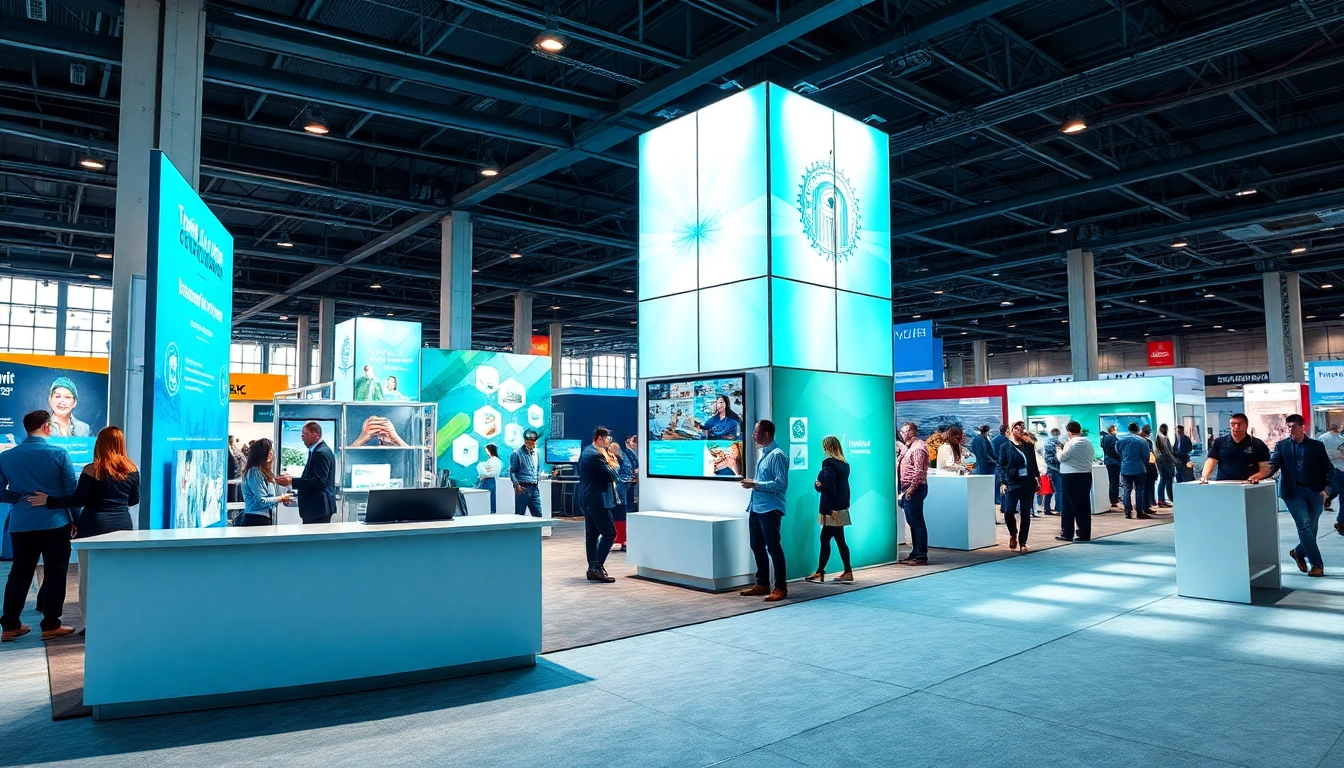
Understanding the Importance of a Trade Show Booth
In the competitive landscape of marketing, a well-designed trade show booth serves as a vital instrument for brand visibility and engagement. Trade shows provide companies a unique platform to showcase their products and services while interacting directly with potential clients and partners. The significance of investing in an effective display cannot be overstated. Businesses thrive on customer engagement, and a captivating booth can create memorable experiences that drive attention and sales.
Why Trade Show Booths Matter in Marketing
Trade shows offer a concentrated opportunity to meet a diverse audience. A well-executed trade show booth makes a bold statement about your brand and engages visitors effectively. Here are some reasons why investing in a quality trade show booth is essential for marketing success:
- Direct Interaction: Trade shows facilitate face-to-face interaction, allowing potential customers to ask questions, seek demos, and engage with your representatives.
- Immediate Feedback: Organizations can gather immediate feedback from visitors about their products or services, enabling quick adaptations to market demands.
- Networking Opportunities: Trade shows bring industry professionals together, creating excellent networking opportunities to build connections and partnerships.
- Brand Visibility: A unique and professionally constructed booth enhances brand visibility among competitors. It sets the stage for brand storytelling and evokes a strong brand identity.
Selecting the Right Location for Your Trade Show Booth
Location plays a critical role in the success of your trade show booth. Here are some key considerations for selecting the optimal position:
- High Traffic Areas: Aim for locations near entrances, exits, or key amenities like food courts and restrooms, as these areas witness higher footfall.
- Adjacent to Competitors: Strategically placing your booth near competitors can help draw their customers to your offering, but also requires you to stand out effectively.
- Visibility: Ensure your booth is not hidden behind larger displays or obstacles. A visible display is more likely to attract curious passersby.
- Access to Resources: Consider proximity to electric outlets, water sources, and other amenities that may be essential for your booth’s operations.
Essential Elements of an Effective Trade Show Booth
An effective trade show booth captures attention and reflects professionalism. The essential elements include:
- Design and Layout: The booth's layout should be open and inviting, allowing attendees to enter freely without barriers.
- Graphics: Use high-quality and eye-catching graphics to convey information and attract interest. Infographics and dynamic visuals tend to engage onlookers more efficiently.
- Interactive Components: Incorporate elements like touch screens, product demonstrations, or digital catalogs, which can stimulate engagement and interaction.
- Clear Messaging: Make sure your messaging is clear and concise to communicate your value proposition in just a few seconds.
Designing an Eye-Catching Trade Show Booth
Designing a visually appealing trade show booth is crucial in distinguishing your brand from competitors. An attractive booth draws potential customers and provides a platform for demonstrating your offerings.
Choosing Colors and Layout for Your Trade Show Booth
The colors and layout of your booth should reflect your brand's values and appeal to your target audience. Consider the following:
- Brand Colors: Utilize your brand’s color palette to ensure consistency and recognition across your marketing channels.
- Color Psychology: Studies show colors evoke emotions; use colors strategically to create desired feelings (e.g., blue for trust, red for urgency).
- Layout Design: Choose functional layouts, considering traffic flow and attendee interaction. Circular designs can foster communal space, while linear layouts may guide interactions toward specific areas.
Incorporating Branding into Your Trade Show Booth Design
Branding is central to your booth's design. Here are some best practices for effective branding:
- Logo Placement: Ensure your logo is prominently displayed, ideally at eye level, to enable easy identification.
- Brand Storytelling: Use visuals and written content to narrate your brand’s story, mission, and unique selling points to engage visitors on a deeper level.
- Consistent Messaging: Make sure all messaging within your booth aligns with your overall brand message, maintaining brand cohesion.
Utilizing Lighting to Enhance Your Trade Show Booth
Lighting plays an instrumental role in creating atmosphere and drawing attention. Implement these lighting techniques:
- Accent Lighting: Use spotlights to draw attention to specific products or displays.
- Ambient Lighting: Ensure your booth is well-lit to avoid a bleak impression; soft lighting can create a welcoming environment.
- Colorful Lights: Utilize colored LED lights to match your brand colors and enhance visual appeal.
Interactive Elements to Boost Engagement at Your Trade Show Booth
Interactive elements within a trade show booth can significantly enhance visitor engagement levels, transforming passive attendees into active participants.
Incorporating Technology in Your Trade Show Booth
Integrating technology not only modernizes your booth but also provides impressive experiences for visitors. Consider these options:
- Touchscreen Displays: Allow visitors to interact with your content, fostering engagement through user-driven navigation.
- Virtual Reality Experiences: Immerse audiences in your products or services virtually, offering demonstrations that are hard to forget.
- Live Polling: Technology can facilitate live polls or surveys, allowing real-time feedback while also encouraging visitor interaction.
Offering Interactive Experiences at Your Trade Show Booth
Engage visitors proactively by providing hands-on experiences. Successful methods include:
- Product Demos: Allow visitors to experience your products first-hand, enhancing engagement and connection.
- Gamification: Incorporate games or challenges that encourage visitors to interact with your brand while incentivizing participation through prizes.
- Workshops or Mini Sessions: Hosting short informative sessions can position your booth as an educational hub and draw in crowds.
Using Giveaways and Promotional Items Effectively at Your Trade Show Booth
Promotional items can act as memorable takeaways for visitors, serving to keep your brand top-of-mind long after the event. Explore these strategies:
- Quality Over Quantity: Select useful and high-quality items as giveaways, discouraging clutter that takes away from your brand’s image.
- Brand Customization: Ensure all promotional items effectively communicate your brand through logo placement and color schemes.
- Target Audience Relevant Items: Choose items that align with your target audience's interests, enhancing the chances of keeping the items and remembering your brand.
Measuring Success After the Trade Show Booth Experience
To understand the effectiveness and ROI of your trade show booth, it's essential to employ measurable metrics and collect feedback post-event.
Key Performance Indicators for Trade Show Booth Success
Consider tracking the following KPIs to evaluate your trade show booth performance:
- Leads Generated: Track the number of leads collected to gauge immediate success.
- Engagement Metrics: Measure foot traffic to your booth and the duration visitors stayed, indicating interest levels.
- Sales Close Rate: Analyze how many leads converted into actual sales to assess the overall impact of the booth experience.
Gathering Feedback from Visitors to Your Trade Show Booth
After an event, consider gathering visitor feedback through:
- Surveys: Short, focused surveys can provide valuable insights into visitor impressions, preferences, and areas of improvement.
- Follow-Up Emails: Attaching feedback requests in follow-up communications can help gauge visitor experience retrospectively.
- Observational Feedback: Monitor visitor behavior during the show to gather qualitative data on engagement.
Analyzing Leads Generated from Your Trade Show Booth
The leads generated during a trade show are invaluable for your sales funnel. Analyzing these leads can support effective follow-up strategies:
- Lead Qualification: Assess the quality and potential of leads based on their interactions with your booth.
- Subsequent Engagement: Analyze how many leads engage with your follow-up communications and convert into clients.
- Long-Term Monitoring: Evaluate the long-term value of leads converted from the trade show, tracking their impact on sales and marketing strategy.
Future Trends in Trade Show Booth Design
The landscape of trade shows is evolving, influenced by changing consumer behaviors and technology advancements. Keeping an eye on trends is crucial for maintaining relevance and effectiveness.
Emphasizing Sustainability in Trade Show Booths
As sustainability becomes a significant concern across all industries, trade show designs are evolving to incorporate eco-friendly practices. Brands can adopt sustainable strategies by:
- Using Recyclable Materials: Opt for eco-friendly materials in booth construction and displays.
- Minimal Waste: Create designs that minimize waste and maximize reusable elements across events.
- Sourcing Locally: Utilize local partners and suppliers to reduce your carbon footprint and support local economies.
Incorporating Virtual Reality into Trade Show Booths
Virtual reality (VR) is transforming the way brands engage with trade show attendees. By incorporating VR, companies can:
- Provide Immersive Experiences: Use VR to create rich, narrative experiences that allow attendees to explore products from new perspectives.
- Interactive Demos: Incorporate physical simulations that attendees can interact with for a memorable engagement experience.
- Extended Reach: Allow participation from remote clients or audiences who can experience the booth through virtual technology.
Adapting to Hybrid Events and Digital Trade Show Booths
As businesses embrace hybrid models combining physical and virtual events, trade show booths must adapt to digital landscapes:
- Hybrid Booth Designs: Create designs that cater to both physical and virtual attendees, ensuring everyone has a rich experience.
- Utilizing Livestreams: Broaden your reach with live-streamed events to involve remote participants in real-time.
- Integrated Communication Platforms: Utilize platforms that support networking and interactions for attendees, irrespective of their physical location.