Understanding the Burj Khalifa: A Marvel of Modern Architecture
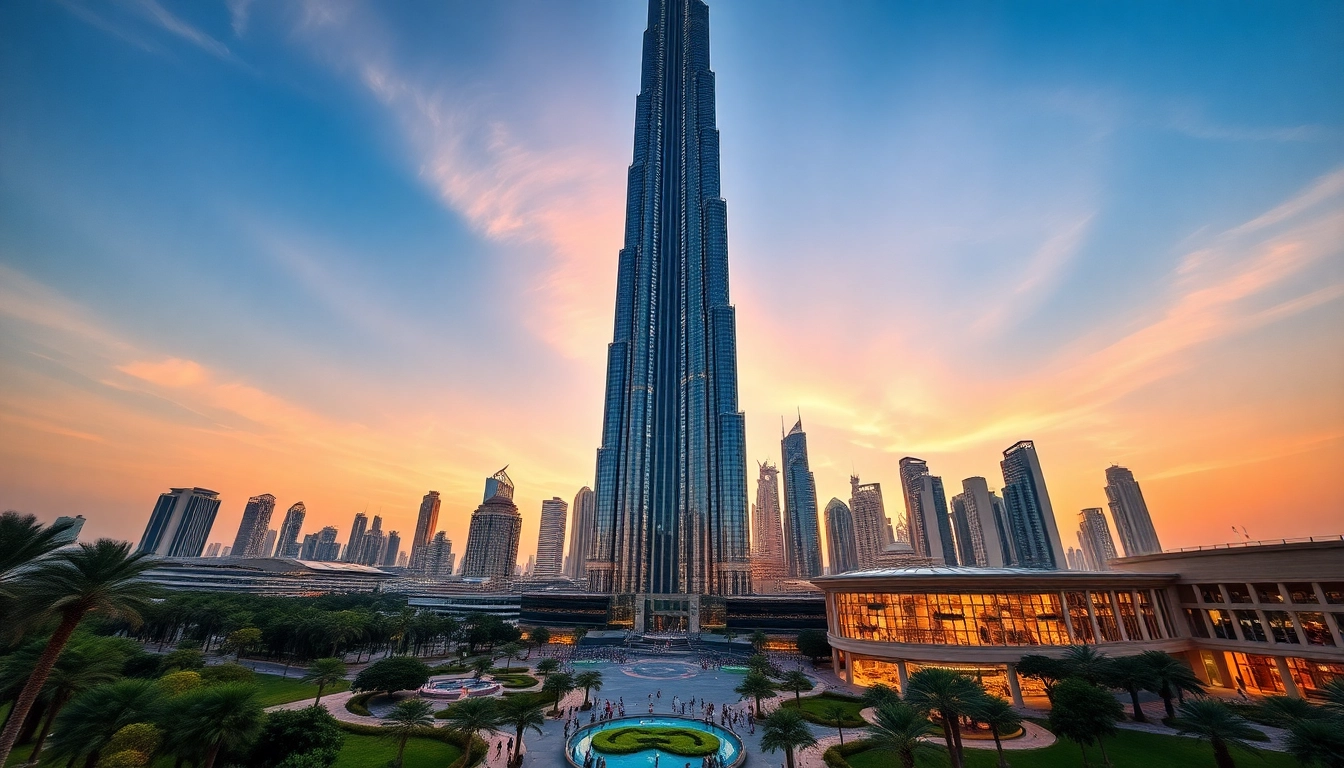
The Burj Khalifa, a symbol of Dubai's audacious ambition, proudly stands as the Dubai tallest building and the tallest structure in the world. Reaching an astounding height of 828 meters (2,717 feet), this architectural marvel is more than a skyscraper; it represents the blend of cutting-edge technology and visionary design. Opened in January 2010, the Burj Khalifa has transformed the Dubai skyline, attracting millions of tourists and becoming a symbol of the UAE's rapid development and modernization.
The Design and Engineering Behind Dubai's Tallest Building
Designed by the global architectural firm Skidmore, Owings & Merrill, the Burj Khalifa's design was primarily the brainchild of architect Adrian Smith. The building's structure is based on a unique triple-lobed footprint that is inspired by the desert flower Hymenocallis. This design not only contributes to the aesthetic appeal of the tower but also enhances its stability and resilience against wind loads. The Burj Khalifa's innovative concrete mix was specially formulated to withstand the extreme conditions at such heights, allowing it to remain stable and secure.
Height and Structure: How Tall is the Burj Khalifa?
The Burj Khalifa's record height of 828 meters makes it the tallest building in the world, surpassing the second tallest, Shanghai Tower, by 196 meters. The structure comprises 163 floors above ground and two additional levels below ground, hosting a variety of functions including residential apartments, corporate suites, and the luxurious Armani Hotel.
To support its immense height, the tower's foundation is equally impressive. It rests on a large reinforced concrete mat that is 3.7 meters thick, supported by bored reinforced concrete piles that reach deep into the ground. This robust foundation is critical in ensuring the skyscraper's safety against shifting soil and seismic activity.
Architectural Significance: A Look at Design Innovations
The Burj Khalifa is a prime example of architectural innovation. Its exterior is clad in reflective glazing and has been designed to minimize energy consumption through smart technologies. The building uses a sophisticated condensation collection system, which captures moisture from the air to use for irrigation, highlighting an innovative approach toward sustainability.
Moreover, the tower’s distinctive silhouette is not only striking but serves a functional purpose; the stepped design helps to reduce wind forces acting on the building, a crucial feature for structures of this height.
Visitor's Guide: Experiencing the Burj Khalifa
Visiting the Burj Khalifa is an unforgettable experience, offering breathtaking views of the Dubai skyline and beyond. To make the most of your visit, you should plan ahead. Here’s a comprehensive guide to help you navigate your journey to the world’s tallest building.
Planning Your Visit: Best Times and Tickets
To enjoy the Burj Khalifa, it’s advisable to book your tickets online, as this can help you avoid long queues. The best times to visit are during sunset, when you can witness the stunning transition of the city from day to night. The observation decks on the 124th and 148th floors provide unparalleled views and an exhilarating experience.
Tickets are available for different time slots, and prices vary depending on the level you wish to visit. Be sure to check for special discounts or packages, especially if you are visiting during off-peak seasons.
Top Attractions Inside the Burj Khalifa
The Burj Khalifa features two main observation decks. The first, located on the 124th floor, provides visitors with a 360-degree view of Dubai. The second, on the 148th floor, is the highest observation deck in the world, offering a more exclusive experience with fewer crowds. Both levels include high-powered telescopes for a closer look at the city’s landmarks.
In addition to the observation decks, the Burj Khalifa houses several art installations, reflecting the culture of the UAE and the innovation behind the building itself. Visitors can also explore the interactive exhibits that delve into the tower's design and construction.
Dining and Shopping Experiences Nearby
After soaking in the views, visitors can head to the ground-level Dubai Mall for an unparalleled shopping experience. The mall features over 1,200 retail outlets, a range of restaurants, and leisure attractions like the Dubai Aquarium and Underwater Zoo. Dining options range from casual eateries to high-end restaurants, offering diverse cuisines that cater to all tastes.
Historical Context: The Evolution of Dubai's Skyline
The Burj Khalifa is not just an architectural feat; it is also a landmark that reflects the transformative journey of Dubai. From a modest trading port to a global city, Dubai's skyline has evolved significantly over the decades.
From Vision to Reality: The Concept Behind the Burj Khalifa
The concept for the Burj Khalifa was born out of Dubai's desire to establish itself as a global city. The tower was envisioned to be a centerpiece for the larger mixed-use development known as Downtown Dubai, encompassing residential, commercial, and recreational facilities. Funded by Emaar Properties, the Burj Khalifa was an essential step in solidifying Dubai’s economic future.
The Role of Burj Khalifa in Dubai’s Urban Development
Since its completion, the Burj Khalifa has been instrumental in driving economic growth and urban development. As a hotspot for tourism, the tower has attracted millions of visitors, contributing significantly to Dubai's GDP. The developments around the area have also flourished, with luxury hotels, restaurants, and entertainment options popping up to cater to the influx of tourists.
Comparison with Other Tall Buildings: A Global Perspective
While the Burj Khalifa currently holds the title of the tallest building in the world, other structures are vying for the title. Buildings like the Jeddah Tower in Saudi Arabia, which is set to reach over 1,000 meters, aim to surpass the Burj Khalifa. This ongoing competition has inspired architectural innovation and design advancements globally, pushing engineers and architects to redefine what is possible in skyscraper construction.
The Impact of Burj Khalifa on Tourism and Economy
As a symbol of Dubai's modernization, the Burj Khalifa has had a profound impact on the city's tourism and economy. Its ability to draw in visitors from across the globe has established it as a leading destination.
How the Burj Khalifa Boosts Dubai’s Tourism Sector
Tourism has become a cornerstone of Dubai's economy, with the Burj Khalifa serving as its focal point. Visitors are attracted not only by the building itself but also by the various experiences that Dubai offers. Events, performances, and festivals held in the vicinity of the tower have created a vibrant atmosphere, making it a must-visit location.
Economic Influence: Investment and Job Creation
The construction and ongoing operation of the Burj Khalifa have spurred significant investment in the region. Hundreds of jobs were created during its construction, and its presence has led to the development of numerous businesses, from hospitality to retail. The tower serves as a catalyst for economic development, continuously contributing to job creation in various sectors.
Future Developments Around the Burj Khalifa
As Dubai continues to grow, further developments are planned around the Burj Khalifa. Projects aimed at enhancing the area include the expansion of the Dubai Mall and the creation of new cultural and leisure facilities, ensuring that the Burj Khalifa remains at the heart of Dubai's urban landscape.
Future Trends: What Lies Ahead for Dubai’s Tallest Building
Looking forward, the Burj Khalifa is not merely resting on its laurels. Continuous improvements and innovations are being planned to maintain its status as an architectural icon and tourist attraction.
Upcoming Features and Renovations: 2025 and Beyond
Future renovations may include enhancements to visitor experiences, such as the introduction of virtual reality elements that allow guests to explore the building's history and design in innovative ways. Upgrades to observation decks and the addition of interactive displays are also in consideration to enrich the visitor experience.
Environmental Sustainability Initiatives
Sustainability is a growing focus in architecture, and the Burj Khalifa is no exception. Future initiatives may include the integration of solar panels and other renewable energy sources to reduce its carbon footprint. Additionally, advanced waste management systems are being developed to ensure more sustainable operations.
Technological Advancements in Skyscraper Design
The Burj Khalifa will continue to benefit from advancements in construction technology and materials. Innovations such as smart glass that adjusts tint based on sunlight and energy-efficient elevators are likely to be implemented, enhancing the overall efficiency of the building while maintaining comfort for its occupants.