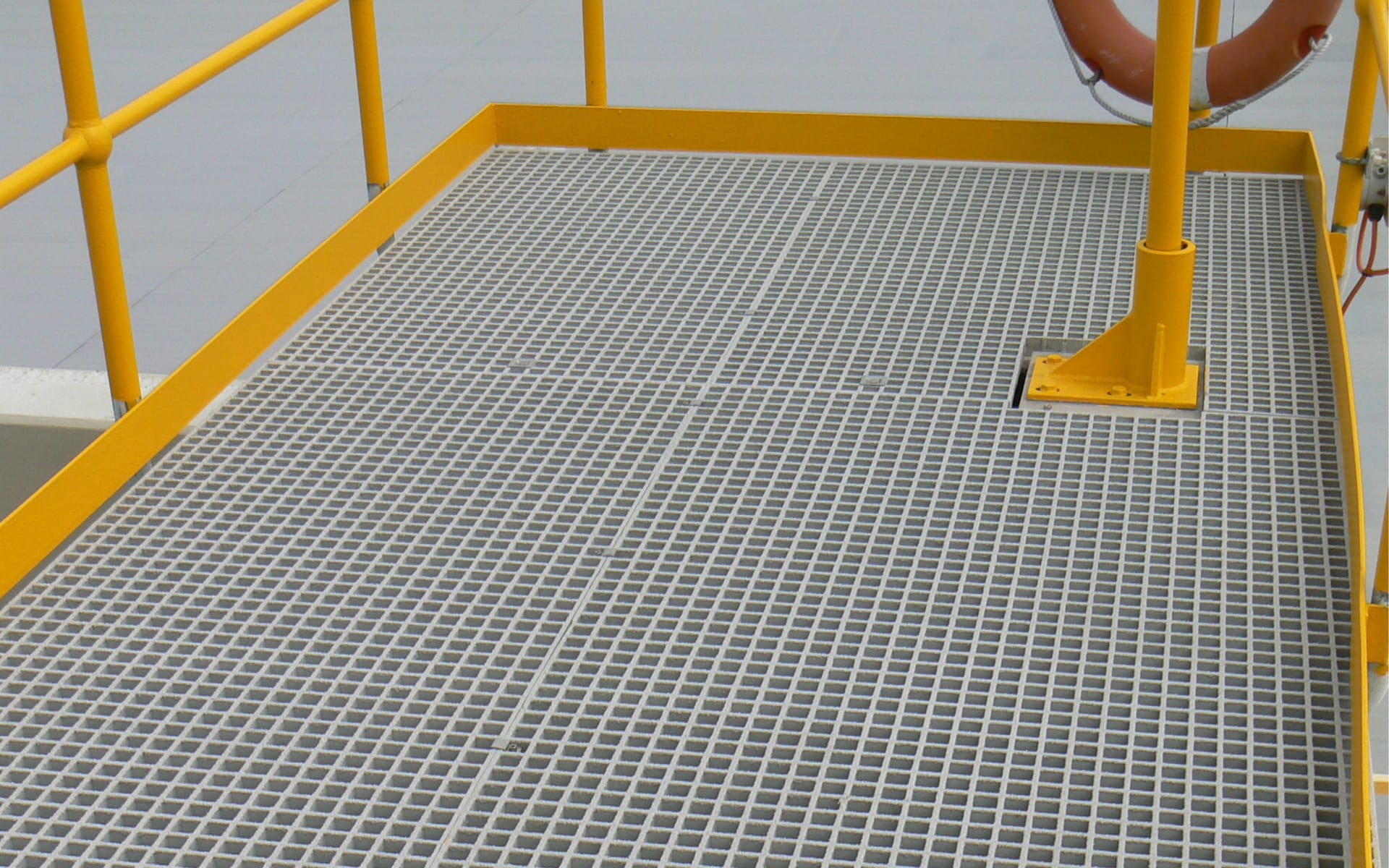
In modern structural engineering and industrial projects, choosing the right materials can significantly impact long-term safety, maintenance, and overall efficiency. Among the many options available, GRP Grating has emerged as a top choice for engineers, architects, and facility managers seeking durable, versatile, and cost-effective solutions. This article explores the numerous benefits of using GRP Grating in structural projects, highlighting its advantages over traditional materials and why it is becoming a preferred standard across industries.
Understanding GRP Grating
GRP Grating stands for Glass Reinforced Plastic grating, a composite material formed by combining glass fibers with thermosetting resins. The glass fibers provide exceptional strength and rigidity, while the resin matrix ensures durability and resistance to harsh environmental conditions. Unlike conventional steel or timber gratings, GRP Grating offers lightweight performance without compromising structural integrity.
There are two main types of GRP Grating commonly used in construction and industrial projects:
- Moulded GRP Grating: Ideal for high-impact and chemical-prone environments, moulded gratings are perfect for areas exposed to moisture, salt, or industrial chemicals.
- Pultruded GRP Grating: These gratings provide higher strength and stiffness, suitable for longer spans and heavier load-bearing applications.
Both types share key features such as fire retardancy, non-conductivity, and minimal maintenance, making them safe and practical choices for long-term infrastructure projects.
Corrosion Resistance – A Major Advantage
One of the most significant benefits of GRP Grating is its inherent resistance to corrosion. Unlike steel, which can rust and degrade over time when exposed to moisture or chemicals, GRP Grating maintains its structural integrity in corrosive environments. This makes it ideal for applications in marine, water treatment, and chemical processing facilities.
Industries adopting GRP Grating benefit from:
- Longer service life in harsh conditions
- Reduced repair and replacement costs
- Minimal need for protective coatings or anti-corrosion treatments
The resistance to environmental damage makes GRP Grating a reliable solution for long-term structural projects, particularly in locations where maintenance access may be limited or costly.
Lightweight Yet Strong
Another critical benefit of GRP Grating is its impressive strength-to-weight ratio. While being significantly lighter than steel, GRP Grating can support comparable loads. This feature makes installation, handling, and transport easier and safer, especially in elevated or confined areas.
Advantages include:
- Reduced labor costs and installation time
- No requirement for heavy lifting machinery
- Safer manual handling for construction workers
The lightweight nature of GRP Grating also allows for greater design flexibility, enabling engineers to develop innovative structural solutions without the limitations imposed by heavier materials.
Slip Resistance for Enhanced Safety
Safety is paramount in industrial and commercial structural projects. Many GRP Gratings come with an integrated quartz grit surface that provides exceptional slip resistance. This anti-slip feature ensures that walkways, platforms, and stair treads remain safe even under wet or oily conditions.
Using GRP Grating with slip-resistant surfaces results in:
- Fewer workplace accidents
- Compliance with occupational health and safety regulations
- Increased confidence for personnel working in challenging environments
Slip resistance is particularly important for marine structures, chemical plants, and public infrastructure projects where safety hazards are a primary concern.
Fire Retardancy and Non-Conductivity
GRP Grating is inherently non-conductive and can be manufactured with fire-retardant resins. These properties make it suitable for applications near electrical installations, flammable materials, or offshore platforms.
Key safety advantages include:
- Reduced risk of electrical hazards
- Compliance with fire safety standards
- Safer work environments for personnel
For projects requiring stringent safety standards, GRP Grating provides a reliable solution that minimizes fire and electrical risks while maintaining structural performance.
Low Maintenance and Long-Term Cost Efficiency
Although the initial investment in GRP Grating can be slightly higher than steel or timber, its total cost of ownership is significantly lower. The low-maintenance nature of GRP Grating eliminates the need for painting, galvanizing, or frequent repairs. Over time, these savings can offset the initial expenditure, providing excellent value for budget-conscious projects.
Long-term financial benefits include:
- Minimal upkeep and cleaning requirements
- Extended lifespan (often exceeding 20 years)
- Reduced downtime for repairs or replacement
This cost efficiency makes GRP Grating an attractive choice for industries aiming to combine performance, safety, and sustainability.
Versatility Across Applications
GRP Grating is highly versatile, serving a wide range of industrial and structural applications. Its durability, strength, and safety features make it suitable for:
- Construction & Infrastructure: Walkways, platforms, stair treads, and catwalks
- Water & Utilities: Pumping stations, sewage treatment plants, and waterworks
- Marine & Offshore: Jetties, pontoons, and offshore rigs
- Chemical & Manufacturing: High-traffic production areas and chemical-resistant platforms
- Transport & Rail: Trackside walkways and station maintenance platforms
The adaptability of GRP Grating ensures that it can meet the unique requirements of virtually any industrial or structural project.
Environmental Advantages
Sustainability is increasingly important in modern infrastructure projects. GRP Grating contributes to environmental responsibility in several ways:
- Long lifespan reduces the frequency of replacement and material consumption
- Low maintenance lowers the use of chemical coatings or anti-corrosion treatments
- Lightweight properties reduce emissions during transport and installation
- Fully recyclable at the end of its lifecycle
These benefits make GRP Grating a green choice, aligning with global trends toward eco-friendly construction and industrial solutions.
Ease of Installation and Customization
GRP Grating can be easily cut and shaped on-site without specialized tools. Unlike steel, which often requires welding or hot work permits, GRP Grating allows for quick modifications, reducing project timelines.
Additional installation advantages include:
- Compatibility with standard fastening systems
- Ability to customize size, shape, and color to meet project specifications
- Simplified repairs or replacements when necessary
The ease of installation and customization ensures that GRP Grating remains a practical option for both large-scale industrial projects and smaller structural applications.
Durability in Extreme Conditions
GRP Grating performs exceptionally well under extreme environmental conditions. It resists UV degradation, chemical spills, moisture, and temperature fluctuations, ensuring reliable structural performance in diverse climates.
Applications that benefit from this durability include:
- Coastal and offshore installations exposed to saltwater
- Industrial chemical plants handling corrosive substances
- Outdoor public infrastructure projects subject to weathering
By maintaining structural integrity in demanding conditions, GRP Grating provides peace of mind for engineers and facility managers.
Design Flexibility and Aesthetic Appeal
Beyond functional advantages, GRP Grating offers design flexibility. It can be fabricated in a variety of colors, textures, and patterns to match architectural requirements. This makes it suitable not only for industrial projects but also for public-facing infrastructure such as pedestrian bridges, stadium walkways, and recreational facilities.
The combination of strength, safety, and aesthetic appeal makes GRP Grating a comprehensive solution for modern structural designs.
Compliance and Standards
High-quality GRP Grating products are manufactured to comply with international safety and performance standards. This includes adherence to load-bearing requirements, fire safety regulations, and anti-slip testing. Using certified GRP Grating ensures that projects meet regulatory guidelines, reducing legal risks and enhancing structural credibility.
FAQs About GRP Grating
What makes GRP Grating better than steel or timber?
Answer: GRP Grating offers corrosion resistance, lightweight strength, slip resistance, and low maintenance compared to steel or timber. It also provides fire retardancy and non-conductivity, making it a safer and longer-lasting option.
Can GRP Grating support heavy loads?
Answer: Yes. Pultruded GRP Grating, in particular, is designed for high-load applications. It can be tailored to specific spans and load requirements while maintaining structural integrity.
Is GRP Grating suitable for outdoor installations?
Answer: Absolutely. GRP Grating is resistant to UV exposure, moisture, and chemical corrosion, making it ideal for outdoor walkways, platforms, and marine installations.
How easy is it to install GRP Grating?
Answer: GRP Grating is lightweight and can be cut or shaped on-site without specialized tools. Its installation is faster and safer than steel, requiring minimal labor and equipment.
How long does GRP Grating last?
Answer: With proper installation, GRP Grating can last 20 years or more. Its durability and low maintenance contribute to long-term cost savings and project efficiency.
Conclusion
From corrosion resistance and fire safety to long-term cost efficiency and design flexibility, GRP Grating has established itself as a top choice for structural and industrial projects. Its lightweight yet strong properties, combined with ease of installation and minimal maintenance, make it a practical and reliable solution.
Whether you are working in marine, chemical, transport, or general industrial applications, investing in GRP Grating ensures enhanced safety, durability, and environmental sustainability for your projects. As industries continue to prioritize performance and longevity, GRP Grating remains a forward-thinking solution for modern infrastructure needs. Click here to return to the homepage and unlock more content.