Introduction to Yoga Mudras
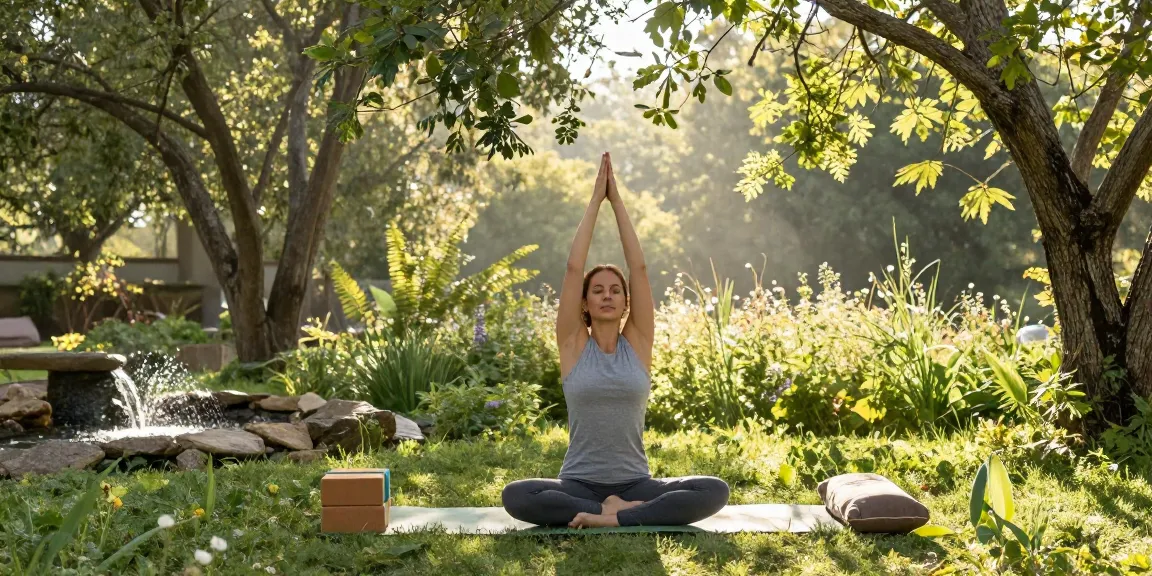
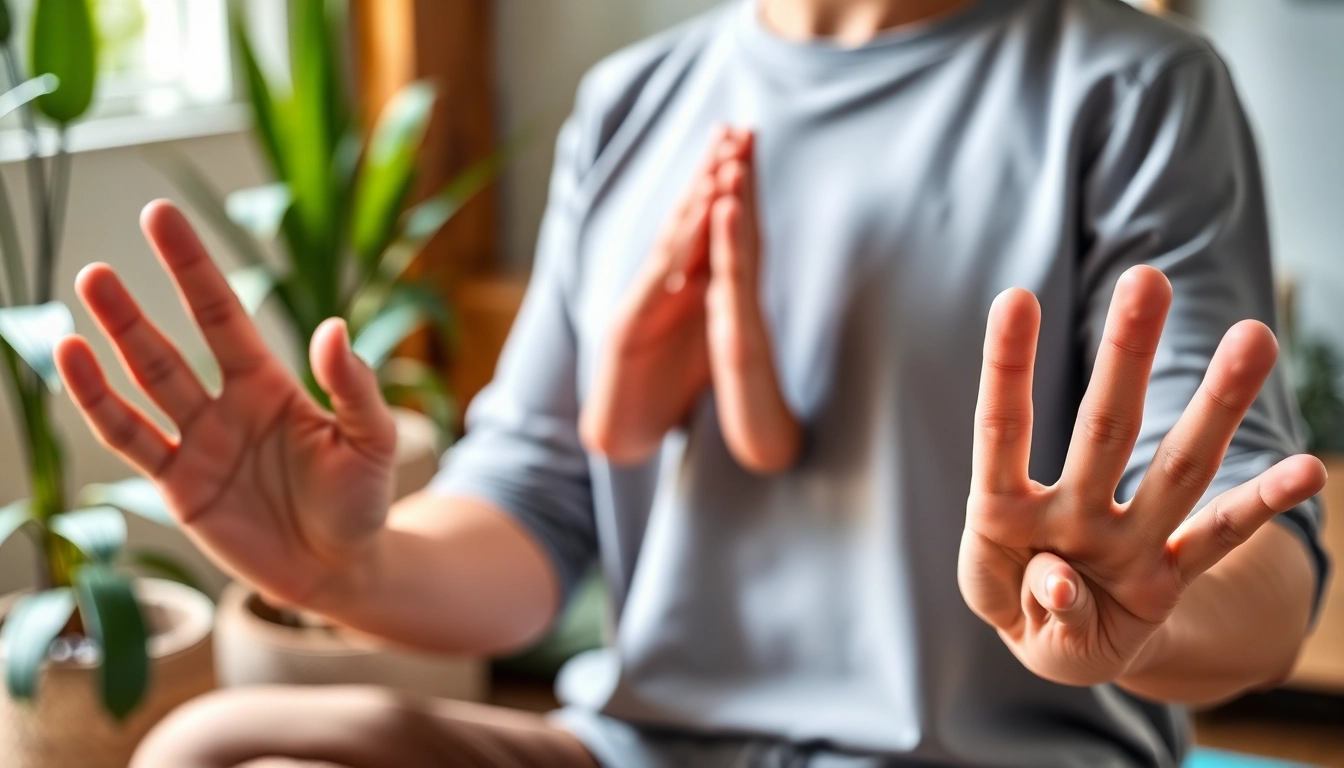
Yoga mudras are intricate hand gestures that play a pivotal role in the practices of yoga and meditation. These symbolic gestures are believed to influence the body’s energy flow, enhancing overall well-being, focus, and mindfulness. Derived from ancient Indian traditions, they serve not just as physical poses but as profound tools for mental and spiritual development. As part of personal yoga practice, yoga mudras also contribute to various health benefits, making them an essential element for any practitioner or enthusiast.
Definition and Origin of Yoga Mudras
The term "mudra" originates from the Sanskrit language and translates to "gesture" or "seal." Rooted in the rich traditions of Buddhism and Hinduism, mudras are utilized to symbolize spiritual concepts, channel energy, and communicate without words. Historical texts, where mudras feature prominently, highlight their connection to the divine, representing a bridge between the physical and spiritual worlds.
In yoga, these hand formations are not static; they are dynamic expressions that shift the practitioner’s awareness and can alter the vibrational frequency of the body and mind. The application of mudras is not limited to yoga; they also find a place in dance, art, and ritualistic practices, embodying meaning and significance connected to the essence of life.
Types of Yoga Mudras
Yoga mudras can be primarily categorized into two main types: Hasta Mudras (hand gestures) and Anga Mudras (body gestures). Each type serves different purposes and can be further classified based on their effects and uses.
- Hasta Mudras: These involve the positioning of fingers and hands. Common examples include Gyan Mudra, Apana Mudra, and Prithvi Mudra. These gestures harness specific energetic frequencies and are often employed during meditation to deepen concentration.
- Anga Mudras: These involve postures that incorporate the entire body, often seen in specific poses or seated positions. They typically enhance the energy flow throughout the body and are employed alongside traditional yoga postures.
Each mudra serves a unique purpose, and using the right one in practice can significantly enhance its effect. Practitioners are encouraged to explore various mudras to understand which ones resonate with their individual needs and aspirations.
Understanding Energy Flow through Mudras
In many spiritual traditions, it is believed that the human body encompasses a network of energy pathways known as nadis and chakras. Yoga mudras function as a conduit for directing and balancing this energy flow. By configuring the fingers and hands in specific ways, practitioners can either block or facilitate the energy movement throughout their body.
For example, the Gyan Mudra, where the index finger touches the thumb while the other fingers extend outward, is believed to enhance knowledge and wisdom by allowing energy to flow freely into the brain region. Conversely, Apana Mudra, which involves the thumb pressing down the middle and ring fingers, is used to relieve emotional stress and improve the digestive process.
Practicing these gestures provides an effective means of harnessing energy for desired outcomes, creating a purposeful approach to personal transformation and spiritual growth.
The Benefits of Yoga Mudras
Yoga mudras offer an array of benefits. By integrating these hand gestures into meditation or yoga practices, practitioners can experience transformative effects that touch on mental, physical, and spiritual dimensions.
Mental Benefits of Practicing Yoga Mudras
Engaging with yoga mudras can greatly enhance mental clarity and emotional stability. Many practitioners report increased focus and concentration as they incorporate these gestures into their routine. This heightened state of awareness can be attributed to the way mudras direct energy and promote mindfulness.
Additionally, certain mudras help in reducing anxiety and stress. Mudras such as Shunya Mudra, which involves folding the middle finger and pressing it with the thumb, can induce calmness and emotional balance. Regular practice can lead to more profound mental states, allowing for deeper meditation experiences.
Physical Health Improvements from Yoga Mudras
The impacts of yoga mudras extend beyond the mental realm, contributing significantly to physical wellness. Many practicing individuals have reported improvements in various health conditions, including respiratory issues, digestive disorders, and chronic fatigue. Techniques like Prana Mudra, where the thumb touches the ring and little fingers, can enhance vitality and energy levels, reflecting in better overall health.
A study conducted on the effect of yoga mudras has indicated improvements in immunity and respiratory functions. Incorporating mudras into a daily wellness regimen promotes a holistic approach to health, emphasizing the interconnectedness of body, mind, and spirit.
Spiritual Significance of Yoga Mudras
The spiritual aspect of yoga mudras cannot be overlooked. Many practitioners view these gestures as symbolic pathways to deeper realms of consciousness. They serve as a means of connecting with the inner self, facilitating meditative experiences that uncover layers of awareness previously unrecognized.
Through the practice of mudras, individuals report a sense of alignment with spiritual principles and intentions. The dynamic motion involved with each gesture creates a symbiotic relationship between the practitioner and the universe, enriching their spiritual journey. By cultivating this spiritual connection, practitioners can unlock greater depths of understanding and enlightenment.
How to Practice Yoga Mudras
Integrating yoga mudras into one's routine is a practical way to enhance any yoga or meditation practice. Practitioners can easily adopt these gestures, making them accessible even for those new to yoga. Here’s a detailed guide on how to practice yoga mudras effectively.
Step-by-Step Guide to Common Yoga Mudras
To help you get started with yoga mudras, here’s a step-by-step guide to some of the most commonly practiced gestures:
- Gyan Mudra: Sit comfortably in a meditative posture. Bring the tip of your index finger to touch the tip of your thumb, keeping your other three fingers extended. Close your eyes and focus on your breath, aiming for a state of calmness and enhanced concentration.
- Prana Mudra: Sit cross-legged or in a comfortable position. Connect your ring and little fingers with your thumb while keeping your index and middle fingers straight. Visualize energy flowing through your hands as you breathe deeply.
- Apana Mudra: With your hands resting on your thighs, touch the tip of your thumb to the tips of the middle and ring fingers while keeping the index and little fingers extended. Focus on your abdominal area to enhance digestion and emotional balance during your practice.
- Shunya Mudra: Sit in a relaxed position. Fold your middle finger inward, pressing it with your thumb while the other fingers remain extended. This gesture can be practiced for a few minutes to relieve anxiety or stress.
Engage in these practices for just a few minutes each day to experience their full benefits. The key is consistency and a mindful approach to each gesture.
Integrating Yoga Mudras into Daily Routines
Finding ways to incorporate yoga mudras into everyday life can maximize their potential benefits. Here are some practical tips for doing so:
- During Meditation: Combine mudras with your meditation practice. Choose a specific mudra that resonates with your intention for the meditation session and maintain it throughout your practice.
- While Commute: Practice simple mudras while commuting or during breaks. Gestures like Gyan Mudra can be easily performed without drawing attention, allowing for spontaneous moments of mindfulness.
- In Yoga Classes: Integrate mudras into your asana practice. Certain poses can complement specific mudras to enhance your overall experience. For example, applying Apana Mudra while holding forward bends can deepen your grounding experience.
- Nurturing Mindfulness: Use mudras in moments of stress or overwhelm. Anytime you feel a wave of anxiety, engage with a mudra to recenter and bring peace back to your mind.
Common Mistakes to Avoid with Yoga Mudras
Though mudras are relatively simple to practice, beginners may encounter some common pitfalls. Here are key mistakes to avoid:
- Rushing the Process: Practitioners often overlook the importance of patience and consistency. Allowing time to deepen your practice is crucial for experiencing the benefits.
- Forgetting Breath Awareness: Mudras should be paired with mindful breathing. Focusing solely on the gesture without acknowledging breathing patterns may detract from their effectiveness.
- Neglecting Intention: Engaging in a mudra without a clear intention can diminish its impact. Always approach your practice with a purpose, whether it's enhancing concentration or relieving stress.
- Overdoing It: Practice in moderation. Some practitioners may feel tempted to perform multiple mudras at once, but this can lead to confusion. Focus on one or two at a time to gauge their effects.
Yoga Mudras for Specific Needs
Yoga mudras can be tailored to address specific concerns or needs, making them versatile tools for enhancing well-being. Here is a selection of mudras suited for various conditions.
Yoga Mudras for Stress Relief and Relaxation
Stress is prevalent in modern life, and certain yoga mudras can provide solace. Two effective mudras for stress relief are:
- Shambhavi Mudra: While meditating, gently close your eyes and gaze at the center of your forehead. Engage your awareness on your breath while practicing this mudra to invite peace and state of calm.
- Apana Vayu Mudra: This gesture is beneficial for calming anxiety and panic. Fold your index finger toward your palm, pressing it with your thumb and extending your middle and ring fingers. Hold this pose for a few minutes to invite tranquility.
Yoga Mudras for Increased Focus and Concentration
Improving concentration and mental clarity is essential for productivity and well-being. Here are two mudras that enhance focus:
- Gyan Mudra: This gesture, as previously mentioned, connects the tip of the index finger with the thumb. It is renowned for supporting cognitive functions and promoting mindfulness.
- Vishnu Mudra: In this gesture, the index and middle fingers are folded down while the thumb, ring, and little fingers extend. This can be practiced while meditating for improved concentration and alertness.
Healing Yoga Mudras for Common Ailments
Yoga mudras can also serve as complementary therapies for various health issues:
- Prithvi Mudra: By touching the tip of the ring finger to the thumb while keeping the other fingers extended, this gesture is helpful for improving physical well-being and grounding energy, particularly beneficial for those experiencing fatigue.
- Varuna Mudra: This mudra connects the thumb and little finger. It is known to aid hydration and improve skin health, making it an effective remedy for dryness and other skin-related issues.
Advanced Techniques and Insights into Yoga Mudras
For those interested in deepening their practice, advanced techniques reveal new avenues for exploring yoga mudras. Here’s a look at some advanced methodologies.
Exploring Mudra Combinations
Combining multiple yoga mudras can amplify their effects. Practitioners can create powerful sequences that are tailored to specific themes or outcomes. For example, pairing Gyan Mudra with a seated forward bend can deepen introspection and enhance mental clarity.
Experimentation is encouraged; try different combinations to discover what resonates best. Create rituals around these combinations, invoking intentions associated with each gesture to enrich the experience.
Research and Studies on Yoga Mudras
The academic community is recognizing the significance of yoga mudras in health and well-being. Recent studies explore the physiological and psychological effects of these gestures, revealing promising results.
Research indicates that regular practice of specific yoga mudras can lead to improved outcomes in stress management, respiratory functions, and general well-being. The integration of mudras in therapeutic settings shows potential as an adjunct treatment for anxiety, depression, and chronic ailments.
Personal Experiences and Testimonials
Many practitioners share personal success stories about how yoga mudras transformed their lives. Testimonials highlight improvements in mental health, physical conditions, and spiritual insight, emphasizing the importance of consistency and intention behind each gesture.
Engaging in community discussions, both online and offline, can also inspire and motivate individuals to delve deeper into their practices. Personal insights can significantly enhance understanding and appreciation of yoga mudras as transformative tools for life.