Understanding the Basics of Mines
What Are Mines?
Mines are excavations in the earth where minerals, ores, or various types of geological materials are extracted. They play a pivotal role in fulfilling global demand for resources, including metals like gold, copper, and aluminum, as well as coal and rare earth elements. Understanding the basics of mines provides insight into how these operations function and their significance to our daily lives.
Types of Mines and Their Functions
Mines can be broadly categorized into several types, each serving different functions based on the materials being extracted:
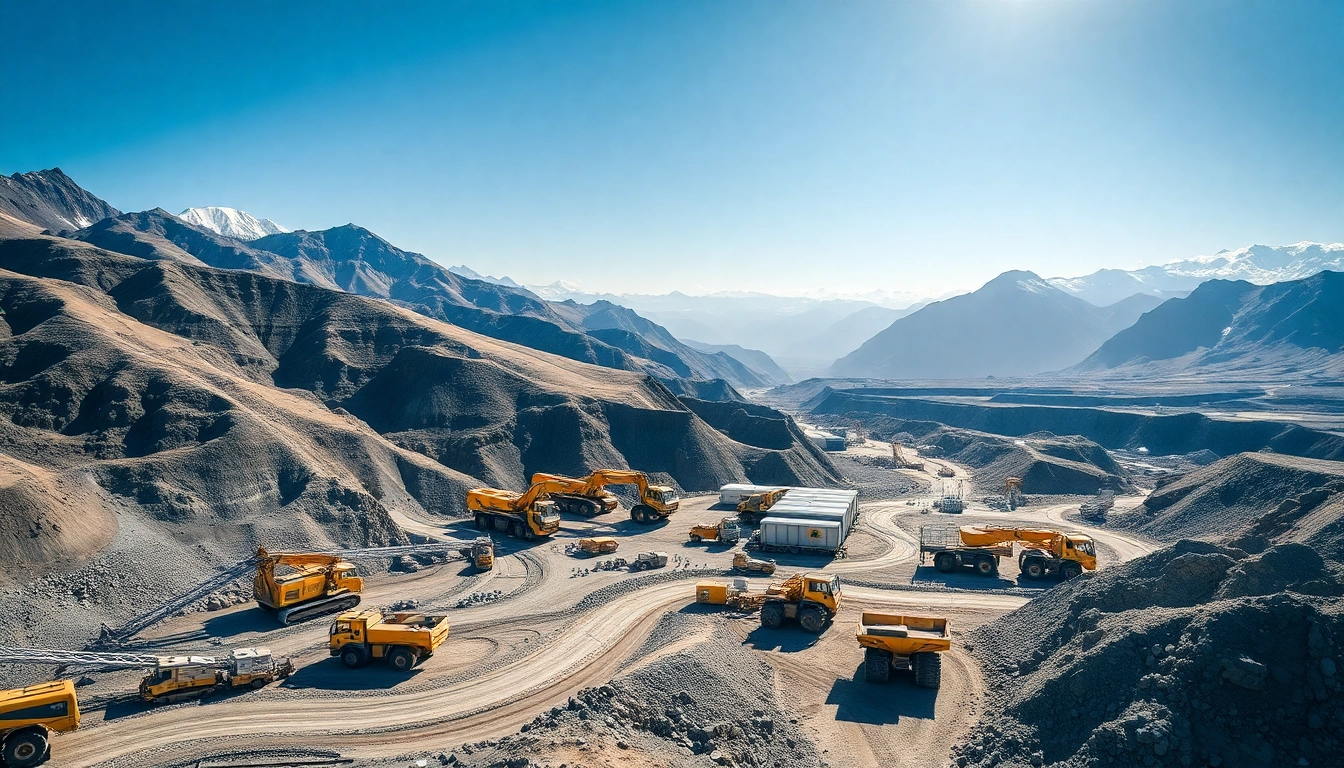
- Surface Mines: These include open-pit mines, strip mines, and quarries. They are often used for resources that lie close to the earth’s surface.
- Underground Mines: These mines require extensive tunneling and are employed to reach deeper ore deposits.
- Placer Mines: These strip away material from riverbeds or shores. They primarily focus on valuable minerals that have been weathered and transported by water.
- Mountaintop Removal Mines: Predominantly used for coal extraction, this method involves removing the summit of a mountain to access the seams of coal underneath.
The Role of Mines in Society
The extraction and processing of minerals from mines fulfill numerous societal needs. They are vital for energy production, construction, technology, and even pharmaceuticals. Mines contribute to infrastructure development and job creation, supporting communities surrounding mining operations. As societies evolve, the demand for sustainably sourced minerals becomes more critical, compelling the industry to adapt and innovate.
The Economic Impact of Mines
Job Creation Through Mines
Mines are significant sources of employment, offering jobs in various fields ranging from geology and engineering to environmental science and logistics. Directly and indirectly, mining operations stimulate economic growth, particularly in rural areas. Employment opportunities often encourage local educational initiatives and skill development programs aimed at preparing the workforce for the mining industry’s specialized needs.
Mines: A Revenue Source for Governments
Mining activities contribute substantially to government revenues through taxes, royalties, and fees. These funds can be pivotal for community development projects and national infrastructure. Additionally, the wealth generated from mining supports public services, thereby improving the quality of life in adjacent communities.
The Trade of Minerals from Mines
The global trading of minerals and ores significantly impacts economies. Major exporters of raw minerals rely on international markets to sell their resources. The dynamics of trade can affect local economies and global markets, highlighting the interconnected nature of supply and demand.
Environmental Considerations Surrounding Mines
Sustainability Practices in Mines
Modern mining practices increasingly emphasize sustainability to mitigate negative environmental impacts. This includes employing technologies that reduce energy consumption and greenhouse gas emissions, remediating ecological disturbances, and ensuring responsible sourcing practices. The push for sustainable mining practices is reshaping industry standards to preserve biodiversity and improve the ecological balance.
Restoration Efforts After Mining
Restoring land after mining operations is crucial for ecosystem rebalance. This encompasses reforestation, soil restoration, and reintroducing native flora and fauna. Effective restoration can revive previously mined areas, allowing them to serve new ecological purposes. It also benefits local communities by enabling them to reclaim the land for agricultural or recreational use.
Regulations Impacting Mines
Mining operations are bound by a comprehensive framework of regulations designed to protect the environment and public health. Adherence to these regulations focuses on minimizing adverse environmental effects and ensuring that practices uphold worker safety and community health. Entities engaged in mining must navigate these legal frameworks to ensure compliance while also striving for operational efficiency.
Technological Innovations in Mines
Automation and Its Effects on Mines
The integration of automation in mining processes is transforming operational efficiency, safety, and productivity. Autonomous vehicles, remote-controlled drilling equipment, and robotic systems are enhancing precision in extraction and reducing human risk in dangerous work environments. These advancements streamline operations and may result in lower long-term costs.
Data Analytics in Mining Operations
Data analytics plays a significant role in optimizing mining operations. By analyzing geological data and operational metrics, companies can make informed decisions that enhance productivity and reduce waste. Predictive analytics can anticipate equipment failures or resource depletion, enabling proactive maintenance and strategic planning.
Future Technologies Shaping Mines
Future trends in mining technology include augmented reality for site assessments, advanced geological modeling, and the application of artificial intelligence in resource management. These technologies will likely drive the next wave of efficiency and sustainability in mining practices, allowing the industry to adapt to growing challenges.
Career Opportunities in the Mining Sector
Training and Education for Careers in Mines
The mining sector offers various career opportunities for individuals with diverse educational backgrounds. Specialized degree programs in geology, mining engineering, and environmental science equip aspiring professionals with the necessary knowledge. Furthermore, vocational training programs ensure that workers have hands-on experience in mining operations.
Key Skills Needed for Mining Careers
Key skills in demand include technical expertise in machinery operation, geological surveying, environmental management, and project management. Additionally, strong analytical and problem-solving skills enable professionals to tackle complex operational challenges and contribute to sustainable practices.
Advancements and Trends in Mining Careers
The mining industry is evolving, with a growing focus on interdisciplinary approaches that integrate technology and sustainability. Career advancements may include roles in environmental policy, innovative mining techniques, and advanced data analysis. Professionals who continually adapt to emerging trends will be well-positioned to lead in this sector.
Frequently Asked Questions
What is the primary purpose of mines?
The primary purpose of mines is to extract valuable minerals and resources from the earth, supplying materials required for various industries, including construction, technology, and energy production.
How do mines impact local economies?
Mines impact local economies significantly by creating jobs, generating tax revenues, and fostering infrastructure development and community services that enhance living standards.
What are some environmental concerns associated with mining?
Environmental concerns include habitat destruction, soil and water pollution, and carbon emissions. Sustainable practices aim to mitigate these negative impacts and restore mined land.
What careers are available in the mining sector?
Careers in mining include positions in engineering, geology, environmental science, logistics, and health and safety. Specialized training and education help prepare individuals for these roles.
What technological trends are shaping the mining industry?
Technological trends include automation, data analytics, artificial intelligence, and sustainable mining practices. These trends aim to improve efficiency, safety, and environmental stewardship in mining operations.