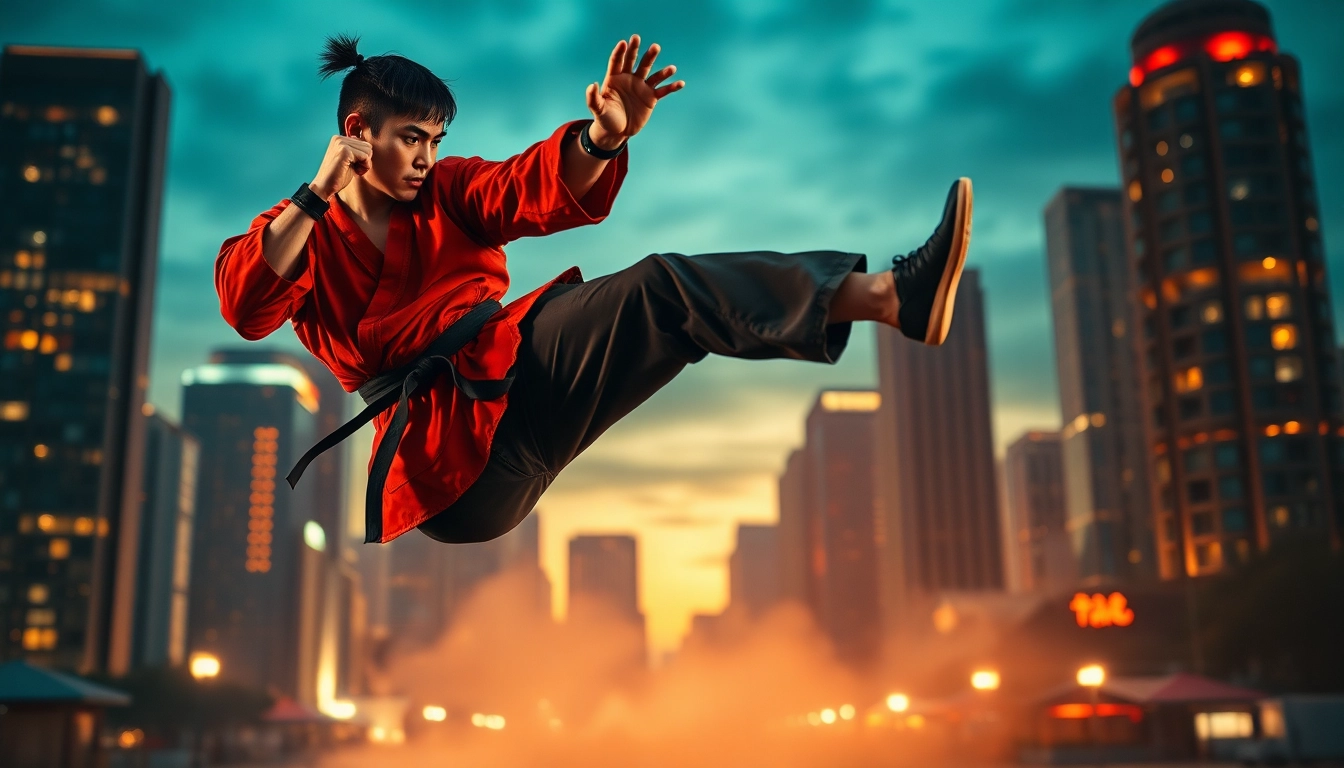
Understanding the Essence of Martial Arts Thriller
The world of cinema has always been a thrilling landscape, but few genres can evoke as much excitement and visceral energy as the Martial Arts Thriller. Merging physical prowess with psychological intensity, this genre captivates audiences by intertwining action with suspenseful storytelling. To understand the appeal of martial arts thrillers, we must delve into their history, key elements, and the unique experiences they deliver.
The History of Martial Arts in Cinema
The origins of martial arts films can be traced back to the early 20th century, where the first few productions introduced audiences to incredible fighting styles and philosophies. However, it wasn’t until the 1970s that the genre began to gain international acclaim. Bruce Lee's films revolutionized cinema, presenting martial arts as not only a method of combat but also an art form that encapsulated discipline and spiritual depth. His iconic films like “Enter the Dragon” became cultural touchstones that paved the way for future martial arts thrillers, establishing a blueprint still followed today.
Key Elements that Define Martial Arts Thrillers
At the heart of every compelling martial arts thriller lies a combination of unique elements that sets the genre apart. Some key defining aspects include:
- Complex Characters: These films often feature protagonists who are highly skilled martial artists facing intense personal challenges.
- Cultural Context: Many martial arts thrillers draw from rich cultural traditions, exploring topics such as honor, revenge, and redemption through the lens of martial arts.
- Intense Action Sequences: Delivering stunning choreography, martial arts thrillers utilize well-planned fight scenes that blend artistry with raw physicality.
- Engaging Plotlines: Often incorporating elements of suspense, these films build tension through intricate plots that lead to thrilling resolutions.
The Importance of Choreography and Action Sequences
Choreography is undoubtedly one of the critical components that define the success of martial arts thrillers. Unlike other action films where special effects can mask inadequate fighting skills, martial arts thrillers rely on the authenticity of their movements. High-quality choreography requires skilled stunt performers and martial artists who can translate their physical prowess into cinematic storytelling.
Action sequences are crafted to convey emotion, character evolution, and plot development. Each fight scene is balanced with choreography that reflects the character’s personal journey, struggles, and growth. This added layer enhances the overall viewing experience and solidifies the genre’s emotional depth.
Top Martial Arts Thrillers to Watch
As we explore the top martial arts thrillers, it becomes clear that the genre has evolved dramatically over the years. From classic films that pioneered the genre to recent releases pushing the boundaries of storytelling and action, there’s something for everyone in this thrilling space.
Classic Movies that Shaped the Genre
Some films have left an indelible mark on the martial arts thriller genre, shaping its trajectory and inspiring countless filmmakers. Notable classics include:
- Enter the Dragon (1973): Bruce Lee’s iconic film is often cited as a definitive masterpiece in the genre, blending martial arts with espionage and revenge.
- The Last Dragon (1985): This film brought a unique blend of martial arts, music, and comedy, creating a cult following.
- Ong-Bak: Muay Thai Warrior (2003): Celebrated for its breathtaking stunts and fights, Tony Jaa’s performance resonates with a new generation of martial arts enthusiasts.
Recent Releases Making Waves
While the classics hold a significant place in the genre, recent films are redefining what a martial arts thriller can entail. Films such as “John Wick” introduced audiences to a new style of martial arts action combined with a unique narrative approach that emphasizes world-building and character development. Another noteworthy mention is “Night Watch,” which captures the intense atmosphere of modern martial arts tales while drawing on fantastical elements. These films signify how the genre continues to evolve, incorporating contemporary storytelling techniques that resonate with current cinematic trends.
An Overview of International Martial Arts Films
Martial arts thrillers are not confined to just Hollywood; global cinema has produced breathtaking narratives woven with martial arts. From South Korea’s “Oldboy,” which brings a psychological twist to action, to China's “The Grandmaster,” which explores the life of martial arts legend Ip Man, international cinema continues to enrich the genre.
Additionally, the rise of platforms like Netflix and Amazon Prime Video has made international martial arts films more accessible, allowing viewers to explore diverse styles and cultural narratives previously underrepresented in mainstream cinema.
Analyzing the Art of Cinematography in Martial Arts Thrillers
Cinematography in martial arts thrillers holds the power to elevate the action and heighten the emotional stakes. The intricate play of camera movement, lighting, and sound design is integral in creating a gripping cinematic experience.
Camera Techniques that Enhance Action Scenes
The choice of camera techniques can significantly impact how action sequences are perceived. Techniques such as dynamic tracking shots and close-ups can immerse the audience in the moment, allowing them to experience the intensity of each blow. Slow motion helps emphasize critical moments within a fight, adding to the drama and tension. An expert combination of static shots and dynamic movement can result in a visually stunning portrayal of martial arts.
Lighting Techniques to Convey Mood
Lighting plays a critical role in setting the tone of a martial arts thriller. Dark, moody lighting can create an atmosphere of suspense and foreboding, while brighter settings can convey hope or action. The use of chiaroscuro, or the contrast between light and shadow, enhances emotional depth, allowing filmmakers to play with the psychology of their characters while visually stunning the audience.
The Role of Sound Design in Creating Suspense
Sound design goes hand-in-hand with visuals in martial arts thrillers. The sound of fists hitting flesh, the swish of flying kicks, and the ambient noise of the environment enhance the visceral experience. Additionally, soundtracks can evoke specific emotions, increasing tension during climactic scenes or providing an uplifting tone in moments of victory. Well-crafted soundscapes immerse the viewer, effectively heightening engagement with the film’s narrative.
Martial Arts Thriller Tropes and Their Impact
Every genre has its recognizable tropes, and martial arts thrillers are no exception. These recurring themes and devices serve to connect stories and engage audiences in unique ways.
Common Plot Devices Used in the Genre
Several common plot devices crop up in martial arts thrillers. These include:
- The Revenge Motif: Many protagonists are motivated by a desire for revenge, providing strong emotional stakes that drive the narrative.
- The Mentor-Pupil Relationship: A seasoned master often mentors a young, inexperienced fighter, teaching them not only in martial arts but also life lessons.
- The Corrupt System: Themes of corruption and personal justice often emerge, with characters battling not just physical adversaries but also systemic injustices.
Character Archetypes: Heroes and Villains
The heroes of martial arts thrillers are often complex characters, embodying a mix of vulnerability and strength. They are usually portrayed as underdogs who rise against overwhelming odds, making their victories even more rewarding. In contrast, the villains are often charismatic yet ruthless, representing an ideological opposite that the hero must confront.
These archetypes resonate with audiences and deepen the emotional impact of each story. The battles fought are physical but also symbolize the individual’s struggle against external and internal demons.
Exploring the Psychological Elements of the Thrillers
The psychological dimensions of martial arts thrillers set them apart. Beyond the physicality of combat, these films delve into the emotional journey of the characters. Themes such as honor, sacrifice, grief, and redemption are explored, enriching the narrative and providing layers that invite audience reflection.
For instance, a protagonist’s journey may involve overcoming personal trauma—a familiar element that resonates deeply with viewers facing their own challenges. This psychological depth transforms a standard action film into a profound exploration of the human experience.
Future Trends in Martial Arts Thriller Productions
The martial arts thriller genre is not static; it continually adapts to changing times and audience preferences. Future trends promise to enhance and evolve the form, ensuring its relevance and vitality in the ever-changing landscape of cinema.
Technological Advancements in Filmmaking
As technology progresses, so too does the potential for filmmaking. Innovations in CGI, motion capture, and virtual production techniques are opening new avenues for creating artful action sequences. Filmmakers are experimenting with augmented reality and immersive experiences, providing audiences with innovative ways to engage with martial arts narratives.
Shifts in Audience Preferences
Modern audiences are increasingly diverse, and the stories told within martial arts thrillers are evolving to reflect this. There is a noticeable trend towards featuring strong female protagonists, plucking the genre into new territories of feminism and representation. This shift in perspective is revitalizing the genre, attracting a broader audience while maintaining the action-filled heart of traditional narratives.
The Emergence of Streaming Services for Martial Arts Thrillers
Streaming platforms have drastically changed the landscape of film consumption. As less emphasis is placed on box office successes, filmmakers are exploring niche markets, allowing for more experimental and independent martial arts thrillers to flourish. This shift enables a mix of traditional and avant-garde storytelling techniques, expanding cultural dialogues around martial arts and their meanings.
The future of martial arts thrillers is bright, as filmmakers embrace new technologies, inclusivity, and innovative storytelling methods. With a rich history and a thoughtful examination of the human spirit, this genre remains relevant and exciting for both seasoned fans and newcomers alike.