
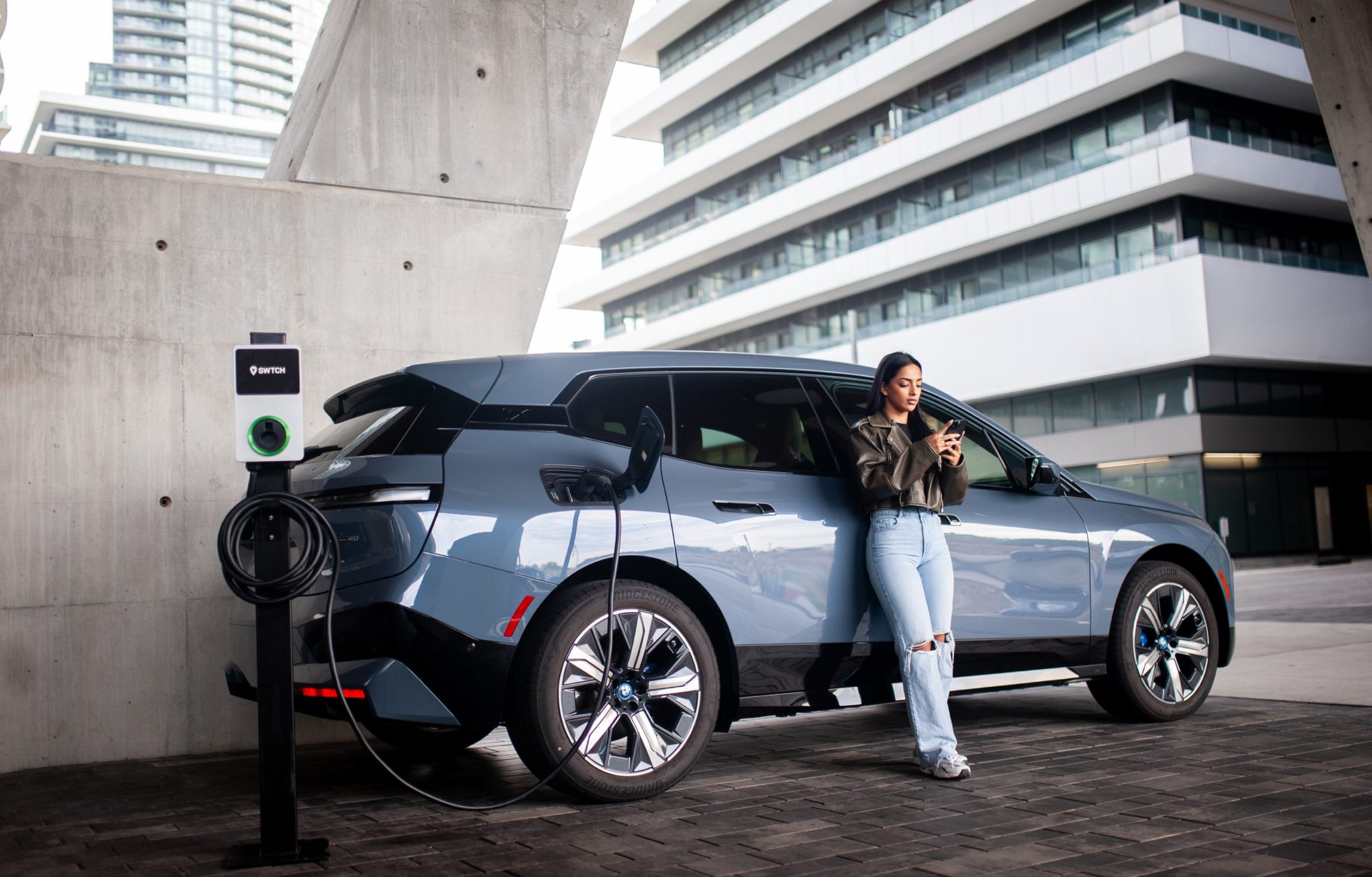
EV Charging Installation Solutions for Customer Parking Areas is becoming a top priority for businesses that want to support electric vehicle drivers and enhance their service offerings. As electric vehicles (EVs) continue to grow in popularity across the globe, providing reliable charging infrastructure isn’t just a convenience — it’s a strategic investment. In this expansive guide, we explore how organizations can successfully plan, implement, and maintain EV charging systems that benefit both their customers and their bottom line.
In the sections that follow, we’ll examine the key considerations, practical steps, common challenges, and innovative opportunities associated with EV Charging Installation in customer parking areas. Whether you’re managing a retail complex, hotel, office park, or mixed-use development, this article will equip you with the knowledge and insights needed to move forward with confidence.
- Understanding the Importance of EV Charging Installation in Customer Parking Areas
- Assessing Site Requirements for EV Charging Installation
- Choosing the Right EV Charging Equipment for Customer Parking
- Financial Considerations and Incentives for EV Charging Installation
- Planning for Installation and Construction Logistics
- Enhancing Customer Experience with Smart Charging Solutions
- Promoting Your EV Charging Installation to Drive Engagement
- Maintenance and Support Strategies for Long-Term Success
- Case Studies: Successful EV Charging Installation Projects
- Preparing for Future Trends in EV Charging Installation
- FAQ: EV Charging Installation
Understanding the Importance of EV Charging Installation in Customer Parking Areas
Electric vehicles are rapidly shifting from niche to mainstream transportation. As this transition accelerates, drivers are seeking convenient and accessible charging options. Businesses that invest in EV charging infrastructure not only meet this demand but also position themselves as forward-thinking and environmentally responsible.
An effective EV Charging Installation provides a number of benefits. It can draw more customers to your location, increase the amount of time they spend on site, and build customer loyalty. Furthermore, offering charging stations can improve brand reputation among environmentally conscious consumers and contribute to local sustainability goals. For property owners, these installations represent an opportunity to create new revenue streams, attract premium tenants, and differentiate their assets.
Yet understanding the importance of EV charging is only the first step. Delivering solutions that are reliable, user-friendly, and cost-effective requires planning, expertise, and a comprehensive view of the evolving EV ecosystem.
Assessing Site Requirements for EV Charging Installation
Before investing in EV Charging Installation, it’s critical to understand the specific needs of your parking area. An effective site assessment sets the foundation for a successful project and helps you avoid costly mistakes.
Begin by analyzing your electrical infrastructure. Does the current system have the capacity to support new charging stations? If not, what upgrades are needed, and what will they cost? A professional electrical engineer or EV charging consultant can help you evaluate power availability, identify potential constraints, and design a plan that integrates seamlessly with existing systems.
Next, consider the anticipated usage patterns. Will your charging stations serve employees, customers, or the general public? How many chargers will be needed to prevent congestion during peak hours? Answering these questions helps you determine the right mix and placement of charging equipment.
In addition, you’ll need to assess physical space. Ensure that chargers are located in areas that are easy to access, well-lit for safety, and compliant with all local accessibility regulations. Attention to detail at this stage can enhance user satisfaction and reduce maintenance needs over time.
Choosing the Right EV Charging Equipment for Customer Parking
Selecting the right hardware is one of the most important decisions in any EV Charging Installation. Charging stations vary in terms of power output, software capabilities, durability, and cost. Understanding these differences enables you to make informed decisions that align with your goals.
Level 2 chargers are often the most practical choice for customer parking areas. These units provide faster charging than standard outlets and are well-suited for locations where vehicles may be parked for one to several hours. DC fast chargers, on the other hand, offer rapid charging that can be completed in less than an hour, making them ideal for high-traffic retail centers or transportation hubs.
In addition to charger type, consider smart features such as network connectivity, payment processing, usage analytics, and remote monitoring. These capabilities enhance the user experience and allow facility managers to track performance, enforce pricing policies, and detect issues before they impact service.
Choosing equipment from reputable manufacturers ensures longevity and compatibility with future EV models. Partnering with an experienced installer or consultant can further refine your equipment selection, ensuring that it aligns with regulatory requirements and long-term operational goals.
Financial Considerations and Incentives for EV Charging Installation
The financial side of EV Charging Installation can be complex, but understanding your options will help maximize return on investment. Upfront costs include equipment purchase, electrical upgrades, labor, and site preparation. These expenses vary widely depending on the size of your installation and the condition of existing infrastructure.
Fortunately, a range of incentives and funding opportunities are available to support businesses in deploying EV charging stations. Federal tax credits, state and local rebates, utility incentives, and grant programs can significantly offset the initial costs. In some regions, incentives cover a large portion of equipment and installation expenses.
It’s also important to consider ongoing operating costs, such as electricity usage, maintenance, software subscriptions, and potentially staffing needs. Some businesses choose to offset these costs by charging users a fee or incorporating charging costs into parking rates.
A financial feasibility study can help predict usage, revenue, and payback periods, enabling you to create a business case that satisfies stakeholders and secures necessary funding.
Planning for Installation and Construction Logistics
With a site assessment and equipment selection completed, the next step is planning for the physical EV Charging Installation process. This stage requires coordination across multiple disciplines, including electrical contractors, civil engineers, equipment vendors, and permitting authorities.
Begin by establishing a detailed project schedule that includes permitting, construction, electrical work, and testing. Permits are often required for electrical upgrades and installation of new infrastructure. Local building codes and utility requirements must be addressed early to prevent delays.
During construction, it’s important to minimize disruption to customers and daily operations. Clear signage and temporary re-routing of traffic can help maintain safety and access. Experienced installers will sequence work efficiently, ensuring that trenching, conduit placement, panel upgrades, and charger installation proceed smoothly.
Once the physical installation is complete, rigorous testing ensures that all components operate as intended. Verification of electrical connections, software integration, payment systems, and safety mechanisms protects both the business and end users.
Enhancing Customer Experience with Smart Charging Solutions
A successful EV Charging Installation goes beyond hardware. Smart charging solutions offer functionality that improves convenience and maximizes uptime for users.
Networked charging stations allow customers to find available chargers through mobile apps, view pricing, and initiate charging sessions without confusion. Real-time status updates ensure drivers can plan their visit with confidence. Additionally, features like reservation systems and automated billing enhance user satisfaction.
From a management perspective, smart systems provide valuable insights. Usage data helps you understand peak times, charging habits, and electricity demand. This information can guide future expansions and optimize pricing strategies. Remote diagnostics allow technicians to identify and address issues before they affect customers, reducing downtime and service interruptions.
Integrating these capabilities requires selecting compatible software and service providers. Partnering with a certified EV charging network can streamline operations and ensure that your infrastructure remains up to date as technology evolves.
Promoting Your EV Charging Installation to Drive Engagement
Investing in EV Charging Installation is only effective if your customers know about it and choose to use it. Marketing your charging availability can generate interest, attract new visitors, and reinforce your brand’s commitment to sustainability.
Start by making your chargers visible. Signage within your parking area, along with prominent placement on your website and social media, helps potential users find and utilize the service. Consider listing your charging stations on popular EV charging maps and mobile applications so drivers can locate them easily.
Engaging with local electric vehicle clubs, sustainability groups, and community organizations can also raise awareness and create goodwill. Promotions such as free charging events or loyalty rewards encourage use and drive repeat visits.
Ongoing communication about upgrades, expanded capacity, or new features maintains customer interest and positions your business as a leader in clean transportation support.
Maintenance and Support Strategies for Long-Term Success
An effective EV Charging Installation doesn’t end with the completion of construction. Regular maintenance and responsive support are essential to ensure reliability and customer satisfaction.
Routine checks of charging hardware can prevent wear-related issues. Cleaning stations, inspecting cables, and monitoring electrical connections help maintain peak performance. Software updates should be applied as they become available to keep systems secure and functioning smoothly.
Establishing a support plan that includes rapid response to outages or malfunctions enhances trust. Users are more likely to return to stations that are dependable and well-maintained. Collaboration with your installation partner or a third-party service provider can ensure that technical expertise is readily available.
Having a plan for periodic upgrades ensures that your charging infrastructure keeps pace with advancements in EV technology and evolving customer expectations.
Case Studies: Successful EV Charging Installation Projects
Examining real-world examples provides valuable insights into how other organizations have approached EV Charging Installation in customer parking areas.
One major retail center invested in a mix of Level 2 and DC fast chargers to accommodate both short errand visits and longer shopping trips. By coupling the chargers with a branded mobile app and loyalty rewards, the center increased customer dwell time and saw measurable growth in repeat visits.
A hotel property integrated EV chargers into its guest amenities, promoting them during the booking process and including charging with premium room packages. This not only attracted more EV-driving guests but also positioned the brand as sustainable and future‑ready.
These case studies illustrate how strategic placement, technology selection, and customer engagement can elevate the impact of a charging installation project, turning a utility into a competitive advantage.
Preparing for Future Trends in EV Charging Installation
The landscape of electric mobility continues to evolve. As battery technology, vehicle range, and charging speeds improve, the expectations and needs of EV drivers will shift accordingly. Forward-thinking organizations planning EV Charging Installation should consider scalability and adaptability.
Emerging technologies such as vehicle‑to‑grid (V2G) systems, wireless charging, and ultra‑high‑speed infrastructure may become more mainstream. Planning your site with room for expansion or upgrades ensures that you’re not left behind as these trends emerge.
Energy management solutions that balance charging demand with renewable energy generation, energy storage systems, and smart grid integration may also play a role in future installations. These innovations can reduce operational costs and enhance sustainability.
Keeping abreast of industry standards, regulatory changes, and consumer preferences equips you to evolve your charging offerings in a way that serves both current and future needs.
FAQ: EV Charging Installation
What is EV charging installation and why is it important for customer parking areas? EV charging installation refers to the process of deploying electric vehicle charging stations within a site. In customer parking areas, it allows electric vehicle drivers to recharge while they shop, dine, work, or conduct business, enhancing convenience and increasing customer satisfaction.
How much does EV charging installation cost? The cost varies depending on equipment type, electrical upgrades, labor, permitting, and site conditions. Level 2 chargers are generally less expensive to install than DC fast chargers, but incentives and rebates can significantly reduce the upfront investment.
What factors determine the number of chargers needed? Usage patterns, customer demand, parking turnover, and available electrical capacity all influence how many chargers should be installed. A thorough site assessment helps determine the optimal number to prevent congestion and underutilization.
Are there incentives available for EV charging installation? Yes, businesses may qualify for federal tax credits, state rebates, utility incentives, and grant programs that reduce the cost of equipment and installation. Researching local programs is an essential step before beginning a project.
Can EV charging installations generate revenue? Yes, many businesses charge users for electricity or incorporate charging costs into parking fees. Smart payment systems make it possible to collect revenue directly through the charging network.
How do I ensure my EV charging installation remains reliable? Routine maintenance, software updates, remote monitoring, and a responsive support plan help ensure long-term reliability. Partnering with experienced service providers enhances performance and uptime.
What future trends should businesses consider for EV charging installation? Scalability, advanced charging technologies, energy management systems, and integration with renewable energy sources are important trends. Planning for future needs ensures that your infrastructure remains relevant as EV adoption grows.