Understanding Hydraulic Cylinder Repair
What is Hydraulic Cylinder Repair?
Hydraulic cylinder repair entails the process of diagnosing, fixing, and restoring hydraulic cylinders to full operational condition. These components are crucial in various machinery, from construction equipment to manufacturing machines, as they convert hydraulic energy into mechanical force. Over time, wear and tear can lead to leaks, performance issues, and even total failure, making timely hydraulic cylinder repair essential for equipment longevity.
Common Signs of Hydraulic Cylinder Failure
Identifying hydraulic cylinder failure early can save significant downtime and costs. Here are some common signs:
- Oil Leaks: External leaks are often the first visual indicator of a problem.
- Reduced Performance: If the cylinder struggles to exert force, it may indicate internal damage.
- Abnormal Noises: Unusual sounds like grinding or popping can point to internal issues.
- Piston Scoring: Visible wear on the piston surface results in reduced efficiency.
- Cylinder Slippage: Inconsistent movement can suggest hydraulic fluid problems or internal damage.
Components Involved in Hydraulic Cylinder Repair
Several components play a crucial role in hydraulic cylinder operation, and understanding these can aid in effective repairs:
- Piston: The heart of the cylinder that converts hydraulic energy into mechanical work.
- Seals: Essential for preventing fluid leakage and maintaining pressure.
- Chamber: The housing that contains hydraulic fluid and allows piston movement.
- Rod: Connects the piston to the machinery, transmitting force.
- End Caps: Seal the ends of the cylinder and hold the components together.
Assessing Damage and Repair Needs
Visual Inspections for Hydraulic Cylinders
Performing thorough visual inspections is the first step in assessing repair needs. Technicians should look for signs of wear, corrosion, and structural integrity. Using proper lighting can help identify leaks and damage that may not be immediately visible.
Using Diagnostic Tools for Accurate Evaluation
Advanced diagnostic tools can enhance inspection accuracy. Equipment such as:
- Pressure Gauges: These measure the hydraulic pressure inside the cylinder.
- Ultrasonic Leak Detectors: Help locate leaks that aren’t easily seen.
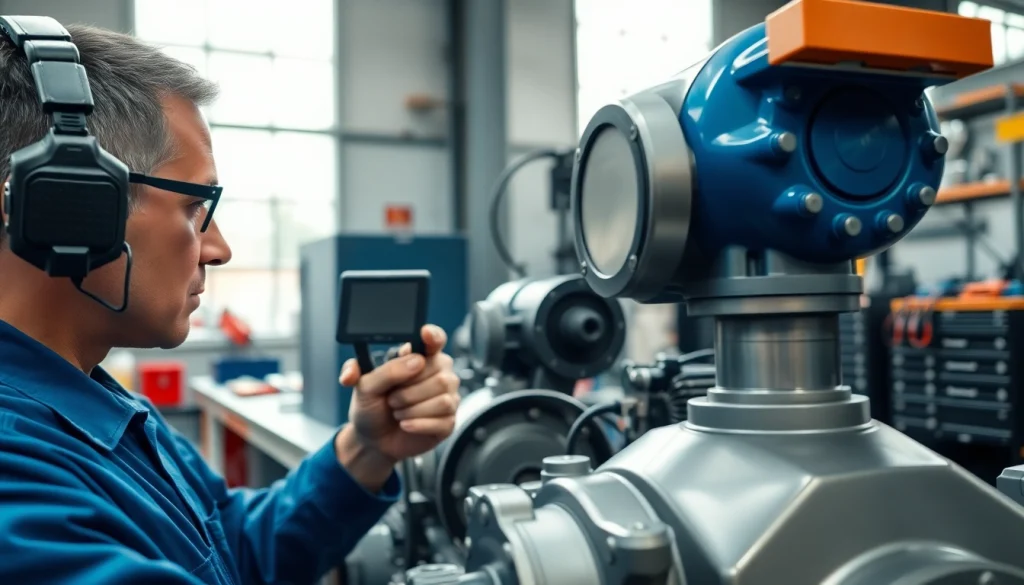
- Endoscope Cameras: Provide visual confirmation of internal cylinder conditions.
Utilizing these tools allows for a more precise understanding of damage and informs the repair process.
Determining Repair vs. Replacement
Understanding when to repair versus replace a hydraulic cylinder is key to cost management and equipment efficiency. A thorough assessment of the damage, cost of repairs, and availability of components will guide the decision. Critical factors include:
- Extent of wear and damage
- Cost comparison of repair versus new cylinder
- Availability of replacement parts
In many cases, if the cylinder is structurally sound, repair is feasible, while severe internal damage may warrant replacement.
Best Practices for Hydraulic Cylinder Repair
Tools and Equipment Essential for Repairs
Having the right tools is essential for effective hydraulic cylinder repair. Some of the must-have tools include:
- Wrenches and Sockets: For removing and tightening bolts.
- Hydraulic Press: Useful for assembly and disassembly of cylinders.
- Seal Kits: Contains replacement seals tailored for specific cylinders.
- Torque Wrench: Ensures components are secured to manufacturer specifications.
- Cleaning Supplies: To maintain a contamination-free environment during repairs.
Step-by-Step Hydraulic Cylinder Repair Process
Undertaking a hydraulic cylinder repair involves several critical steps:
- Diagnosis: Identify the issue through inspection and testing.
- Disassembly: Carefully dismantle the cylinder while documenting parts order and orientation.
- Parts Replacement: Replace worn or damaged components, particularly seals and O-rings.
- Reassembly: Reassemble the cylinder, ensuring all parts are correctly oriented and torqued.
- Testing: Conduct pressure tests to verify that the repair is successful.
Ensuring Quality Control During Repairs
Quality control should be imbedded in every stage of the hydraulic cylinder repair process. Implementing a checklist can help maintain standards. Key aspects to consider include:
- Use of OEM parts for replacements.
- Properly trained technicians performing the repairs.
- Conducting pressure tests to ensure integrity.
- Documenting all repairs and maintenances for future reference.
Preventive Measures Post-Repair
Regular Maintenance Tips for Hydraulic Cylinders
Post-repair maintenance plays a crucial role in the longevity of hydraulic cylinders. Key practices include:
- Routine visual inspections to catch issues early.
- Regular cleaning to prevent contamination of hydraulic fluid.
- Monitoring fluid levels to ensure optimal performance.
- Replacing seals as preventive maintenance after a set timeframe.
Monitoring System Performance After Repairs
Obtaining feedback on the hydraulic system's performance after repairs is vital. Regular performance checks can ensure that the cylinder operates efficiently. Key performance indicators to monitor include:
- Pressure readings from the hydraulic system.
- Response times for the hydraulic operation.
- Any signs of leakage post-repair.
Establishing a Maintenance Schedule
Creating a structured maintenance schedule can go a long way in ensuring hydraulic cylinders remain in optimal condition. This schedule should include:
- Monthly inspections and routine cleaning.
- Quarterly checks for wear and tear on seals and components.
- Annual assessments with diagnostic testing tools.
FAQs About Hydraulic Cylinder Repair
What are the typical costs associated with hydraulic cylinder repair?
Costs can vary significantly based on the damage extent, materials needed, and labor. On average, repairs can range from a few hundred to several thousand dollars.
How long does a hydraulic cylinder repair typically take?
The duration depends on the complexity of the issue. Simple repairs can take a few hours, while more involved work may require days.
Can all hydraulic cylinders be repaired?
Most hydraulic cylinders can be repaired, but extensive damage may necessitate replacement. An assessment is crucial to determine the best option.
What maintenance practices help prevent hydraulic cylinder damage?
Regular inspections, proper lubrication, and adherence to operational guidelines can significantly reduce the risk of cylinder failure.
Are there any specific certifications for hydraulic repair technicians?
Certifications vary by region, but professional licenses and industry-specific training enhance credibility and ensure quality repairs.