What are Mines?
Mines are specialized sites where minerals and resources are extracted from the earth, providing vital materials for various industries. The realm of mining encompasses a wide array of resources, ranging from coal and precious metals to industrial minerals. The mines operate through a set of defined processes and methods, ensuring the efficient extraction of these valuable resources while balancing the associated risks and rewards.
Definition and Types of Mines
At its core, a mine represents a physical site where earth materials are extracted, typically through excavation or drilling. There are several types of mines categorized based on the resource being mined and the extraction method:
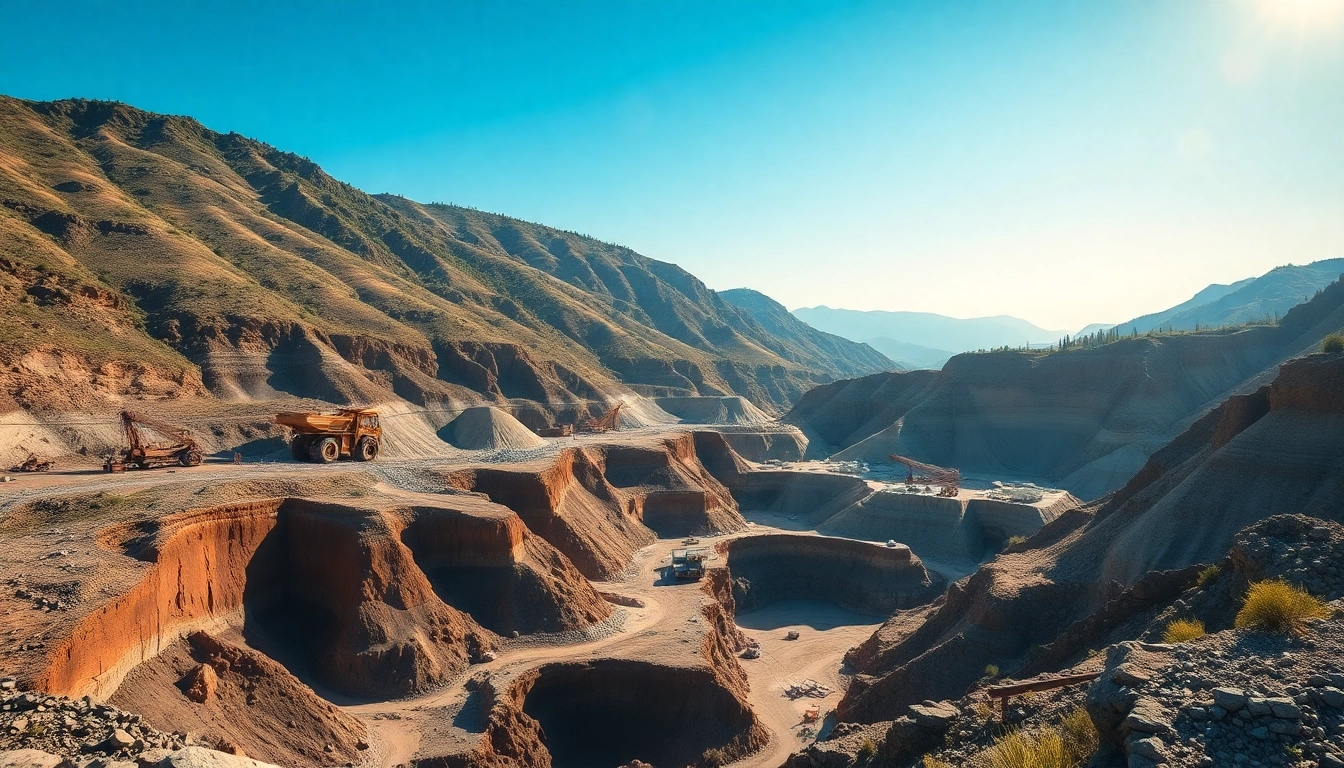
- Surface Mines: These mines are characterized by the removal of soil and rock overburden to access minerals located closer to the earth's surface. Common methods include open-pit mining and strip mining.
- Underground Mines: When valuable minerals are buried deep beneath the earth, underground mining is employed. This method involves creating shafts and tunnels to reach the ore deposits.
- Placer Mines: These operations focus on extracting valuable minerals from alluvial deposits, typically in riverbeds or glacial deposits, using techniques such as panning or sluicing.
- Solution Mines: This technique involves the dissolution of minerals into a liquid, which is then pumped to the surface for further processing.
The History of Mining
The origins of mining date back to prehistoric times when early humans extracted flint for tools and gold for adornment. However, the function and scale of mining dramatically evolved with the rise of civilizations. Ancient Egyptians utilized mines to procure gold; Romans are known for their extensive mining systems that extracted silver and lead. As technology advanced, so did mining techniques, leading to the establishment of modern mines which employ advanced machinery and sophisticated methodologies.
Significance of Mines in Economy
Mines play an indispensable role in the global economy, providing raw materials essential for construction, energy production, and consumer products. The mining industry contributes billions to national economies, creates jobs, and stimulates local businesses. For instance, metal mining supports industries like manufacturing and technology, while coal mining underpins energy sectors, enabling electricity generation across vast regions. This economic interlink also highlights the need for sustainable practices to ensure the long-term viability of these resources.
Environmental Impact of Mines
While mining is crucial for resource extraction, it inevitably brings environmental challenges that need to be addressed. The impact of mining activities on ecosystems can be profound and long-lasting, prompting significant discussions on sustainable practices and regulations.
Effects on Ecosystems
The disruption of land due to mining activities leads to habitat destruction and loss of biodiversity. Wildlife displacement occurs as mining operations clear vast areas of vegetation, altering natural landscapes and ecosystems. The fragmentation of habitats can lead to reduced populations of various species, posing risks to environmental balance. Moreover, mining can introduce invasive species and pollutants into these habitats, exacerbating the impact.
Pollution Generated by Mining Activities
Mines are often linked to various forms of pollution, including air, water, and soil contamination. Dust from operable mining equipment can contribute to air pollution, affecting both the environment and the health of nearby communities. Additionally, runoff from mining sites can lead to the contamination of local water supplies with hazardous heavy metals, adversely affecting aquatic life and those relying on these water sources for drinking or agriculture.
Sustainable Mining Practices
To alleviate the adverse effects of mining, several sustainable practices have been developed and implemented within the industry. These include:
- Reclamation: Post-mining reclamation involves restoring the mined land to a natural or economically usable state by replanting native vegetation and mitigating erosion.
- Water Management: Employing effective water management practices, such as recycling and treating contaminated water, helps reduce pollution and conserve local water resources.
- Green Technologies: Investing in environmentally friendly technologies can minimize emissions and improve resource extraction efficiency, reducing the overall ecological footprint of mines.
Safety in Mining Operations
Ensuring safety in mines is a paramount concern due to the dangerous nature of mining work. The industry has historically faced serious health and safety risks, leading to stringent regulations and practices aimed at protecting workers.
Common Risks Associated with Mines
Mining is inherently hazardous and presents several risks, including:
- Cave-Ins: Underground mining operations can experience cave-ins, posing a significant risk to miners.
- Explosions: The use of explosives in mining carries the potential for accidental detonations, which can be catastrophic.
- Toxic Exposure: Miners may be exposed to dust, toxins, and hazardous chemicals, leading to long-term health issues such as respiratory diseases.
Safety Regulations and Standards
The mining industry is governed by rigorous safety regulations designed to minimize risks. Organizations like the Mine Safety and Health Administration (MSHA) in the United States enforce standards to protect workers. These regulations cover training, ventilation, equipment safety, and regular inspections to ensure compliance and worker safety.
Innovations in Mining Safety
Technological advancements have greatly improved safety measures within the mining sector. Innovations such as automated drilling equipment, remote monitoring technology, and improved ventilation systems are reducing human exposure to hazardous environments. Moreover, data analytics and AI are being employed to predict potential hazards, allowing companies to proactively mitigate risks before incidents occur.
Future Trends in Mining
As the mining industry continues to evolve, several trends are shaping its future. These trends encompass technology advancements, industry challenges, and opportunities for growth that could redefine the way mines operate.
Technology Advancements in Mining
The integration of technology holds significant promise for the mining industry. Automation is at the forefront, with robotic systems replacing manual labor in hazardous scenarios. Technologies like blockchain are improving supply chain transparency, while AI enhances decision-making through predictive analytics, optimizing operations and reducing downtime.
Challenges Facing the Mining Industry
Despite advancements, the mining industry faces numerous challenges, including:
- Regulatory Compliance: Increasing environmental regulations necessitate constant adjustments and can lead to higher operational costs.
- Market Volatility: Fluctuations in commodity prices can affect profitability and investment in mining operations.
- Workforce Shortages: Attracting skilled labor is becoming increasingly difficult, necessitating new approaches in recruitment and training.
Opportunities for Growth in Mining
Despite the challenges, opportunities for growth remain plentiful. The global demand for minerals essential for renewable energy, such as lithium and cobalt, is rising. Companies that can efficiently extract and process these materials while adhering to sustainable practices will likely thrive in the evolving market landscape.
FAQs about Mines
What is the main purpose of a mine?
A mine is primarily used for extracting valuable minerals and resources such as coal, gold, and other ores that are essential for various industries.
How do mines affect the environment?
Mines disrupt ecosystems, cause pollution, and lead to habitat loss. However, sustainable mining practices can mitigate these effects significantly.
What safety measures are taken in mines?
Safety measures include proper training, air quality monitoring, regular inspections, and using personal protective equipment to ensure miner safety.
What new technologies are influencing mining?
Automation, AI, and data analytics are improving operational efficiency, enhancing safety, and optimizing environmental management in mining operations.
What careers exist in the mining industry?
Careers in mining include roles in engineering, geology, safety management, data analysis, and environmental science, allowing diverse professional opportunities.