
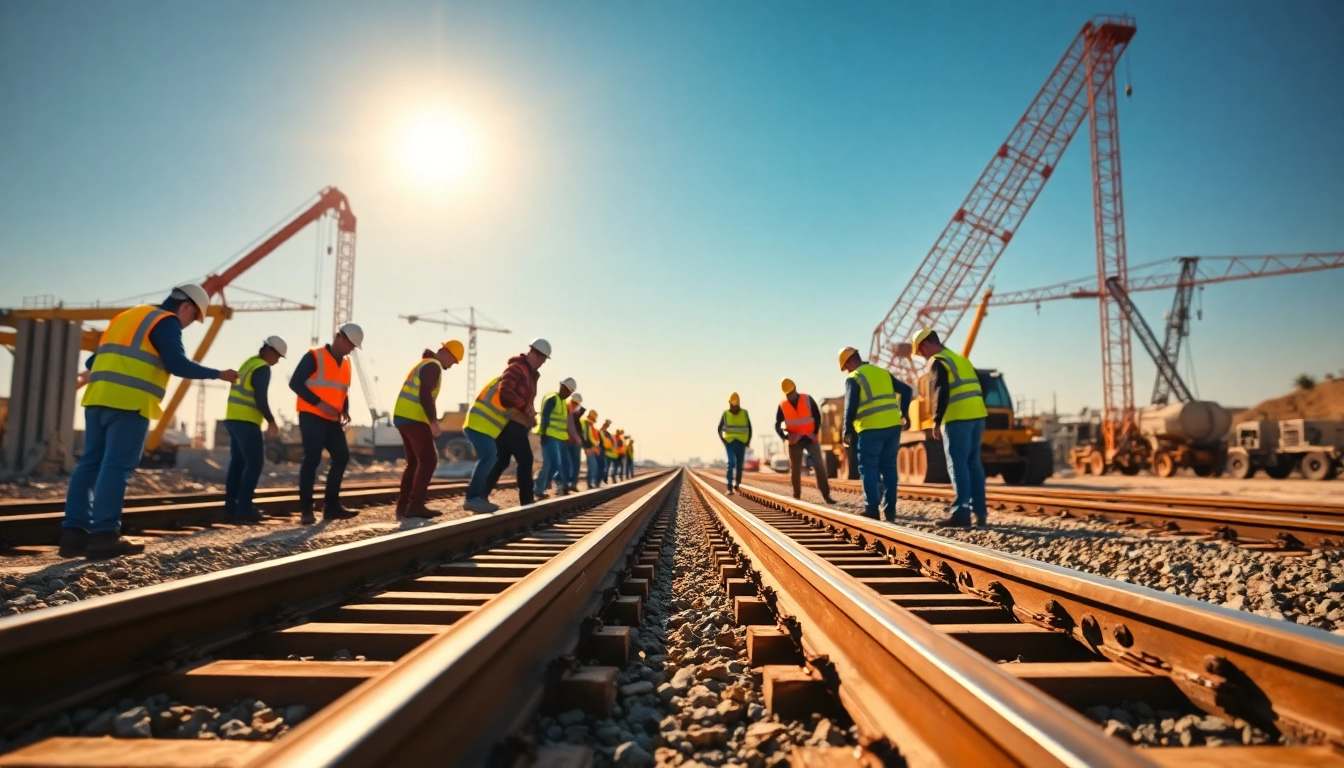
Understanding Railroad Construction
Railroad construction is a multifaceted field that encompasses the design, building, and maintenance of railway infrastructure. The world of rail transport is essential for moving cargo and passengers efficiently across long distances. Effective railroad construction involves careful planning and execution, often employing various methods and materials to ensure safety and operational efficiency. One cannot overlook the intricacies involved in Railroad Construction, where every detail counts from the ground up.
The Basics of Railroad Construction
At its core, railroad construction involves several steps that are crucial for creating a reliable environment for rail operations. The process begins with surveys and feasibility studies, followed by earthworks, where grading and drainage systems are established to prepare the land. Next comes the installation of tracks, signaling systems, and other essential components. Coordination with government regulations and local communities is also vital to ensure a smooth construction process.
Key Components and Materials
Railroad construction involves a variety of materials and components, each serving specific functions:
- Rails: Made of high-strength steel, they are designed to withstand heavy loads and environmental conditions.
- Sleepers: Typically made of wood, concrete, or steel; they maintain the position of the rails and distribute loads to the ground.
- Ballast: Crushed stone that provides stability to the track structure and facilitates water drainage.
- Fasteners: Components like spikes, clips, and plates that hold the rails to the sleepers securely.
- Signaling Systems: Essential for the safety and coordination of train movements.
Types of Railroad Projects
Railroad construction projects can vary significantly based on their purpose and scale. Major types include:
- Passenger Rail Construction: Involves building commuter trains and high-speed rail networks, which prioritize comfort and efficiency.
- Freight Rail Construction: Focuses on creating vast networks for transporting goods, requiring specialized designs to accommodate heavy loads.
- Maintenance Projects: Include refurbishing existing tracks and infrastructure to ensure safety and efficiency over time.
Essential Techniques in Railroad Construction
Track Laying Techniques
Track laying is a critical phase of railroad construction that demands precision and skill. Traditionally, the process utilized manual labor, but advancements in technology have introduced mechanized systems that enhance speed and accuracy. Techniques such as continuous welded rail (CWR) installation involve welding together sections of rail, which improves the track’s integrity and reduces the number of joints, ultimately enhancing ride quality and safety.
Safety Protocols and Regulations
Safety in railroad construction cannot be overstated. Compliance with federal and local regulations is mandatory. Procedures include regular safety audits, comprehensive training programs for workers, and rigorous equipment inspections. Implementing a safety management system (SMS) is an effective way to monitor and improve safety practices on construction sites.
Innovative Construction Technology
The adoption of innovative technologies is transforming railroad construction. Advanced equipment like automatic track laying machines and drone surveys enable faster and more accurate installations. Building Information Modeling (BIM) provides a digital representation of a construction project, enhancing coordination and reducing errors in the planning stages.
Challenges Faced in Railroad Construction
Environmental Considerations
Construction projects often face scrutiny regarding their environmental impact. Strategies to mitigate these concerns include environmental assessments prior to construction, which can identify sensitive areas needing protection. Utilizing eco-friendly materials and technologies, such as noise barriers or green drainage systems, can minimize the ecological footprint of construction.
Budget Constraints and Management
Budgeting for railroad construction can be complex due to various factors, including labor costs, material prices, and unforeseen challenges. Effective project management practices, such as life-cycle cost analysis and value engineering, can help optimize resources and ensure projects remain on budget.
Labor Force and Skill Gaps
Finding a skilled labor force is a significant challenge in this industry. As experienced workers retire, younger generations may not have the necessary skills. Training programs tailored to specific needs in railroad technology can bridge this gap. Collaboration with vocational schools and community colleges can help cultivate a new generation of skilled workers.
Improving Project Management in Railroad Construction
Planning and Execution Strategies
Effective planning is crucial to the successful execution of railroad construction projects. Project managers should implement detailed timelines, task assignments, and resource allocation strategies. Utilizing project management software can also aid in tracking progress and ensuring transparency among stakeholders.
Monitoring Progress and Quality Control
Regular monitoring of construction progress is essential to ensure adherence to timelines and budgets. Implementing quality control measures, such as on-site inspections and testing of materials, can help maintain high standards throughout the project. Feedback loops must be established for continuous improvement during the construction process.
Stakeholder Engagement
Engaging with stakeholders, including local communities, government agencies, and investors, can facilitate smoother project execution. Public forums and consultations can address concerns and gather input that can enrich project planning. Creating transparency helps foster trust and may prevent potential disputes.
Future Trends in Railroad Construction
Sustainable Practices in Construction
As the world moves towards sustainability, railroad construction is also evolving. Implementing green construction practices, such as using recyclable materials and minimizing waste, aligns with environmental goals. Many companies are investing in research to develop sustainable technologies that can reduce reliance on fossil fuels in rail operations.
The Role of Automation and AI
Automated technologies and artificial intelligence (AI) are increasingly playing a role in railroad construction. Drones for site surveys, robotics for repetitive tasks, and AI-powered analytics for project predictions are becoming commonplace. Leveraging these technologies can enhance efficiency, safety, and accuracy.
Advancements in Rail Transportation Technology
Advancements in rail transportation technology, such as maglev trains and hyperloop systems, are revolutionizing the sector. These innovations offer faster, more efficient, and eco-friendly transportation options that could redefine railroad construction projects. The integration of smart technology into rail infrastructure is anticipated to enhance operational efficiency and performance.
Frequently Asked Questions
What is involved in railroad construction?
Railroad construction encompasses planning, surveying, earthworks, track laying, and installation of signaling systems, along with ensuring safety compliance.
What materials are used in railroad construction?
Common materials include steel rails, concrete or wooden sleepers, ballast, and fastening systems, each playing a distinct role in track stability.
What are the major types of railroad projects?
Major types include passenger rail construction, freight rail projects, and maintenance projects for refurbishing existing infrastructure.
How is technology impacting railroad construction?
Technology enhances precision and efficiency through automated machinery, drone surveys, and digital modeling, streamlining project execution.
What challenges do railroad construction projects face?
Challenges include environmental regulations, budget constraints, labor shortages, and the need for ongoing stakeholder engagement throughout projects.